Currency

Tiger Eye Stone
Tiger Eye Stone
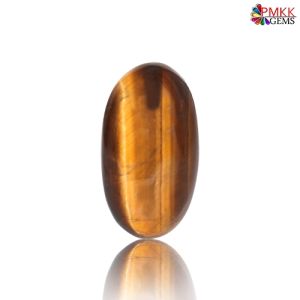
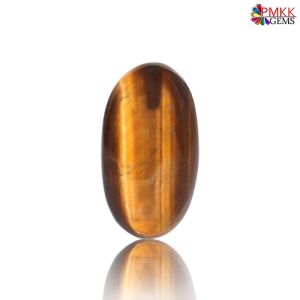
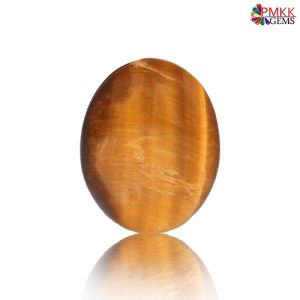
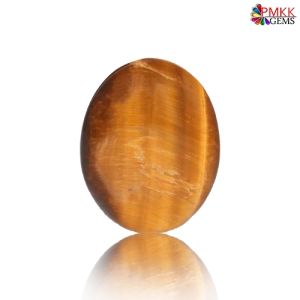
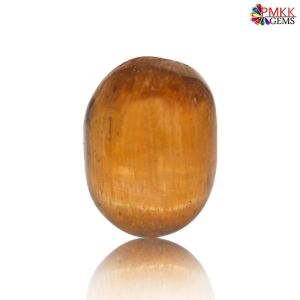
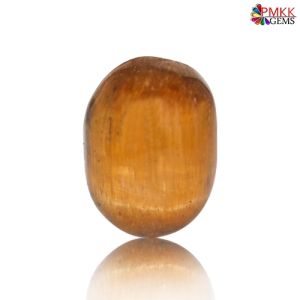
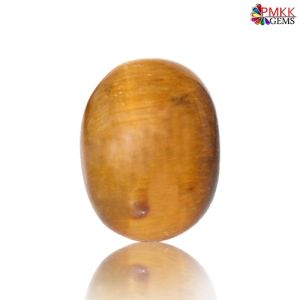
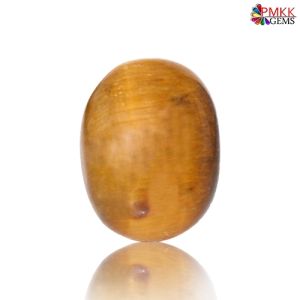
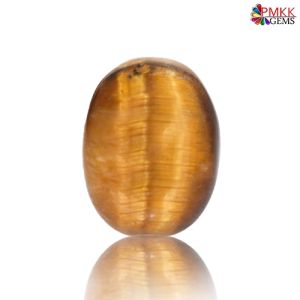
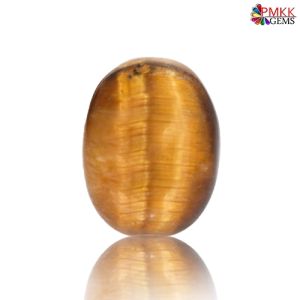
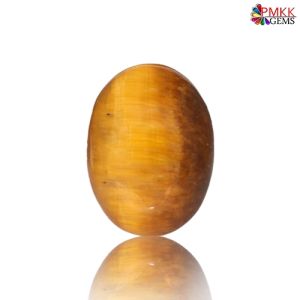
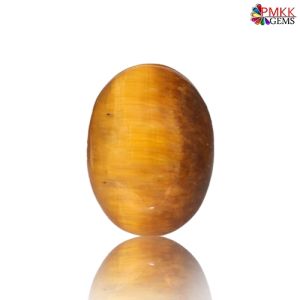
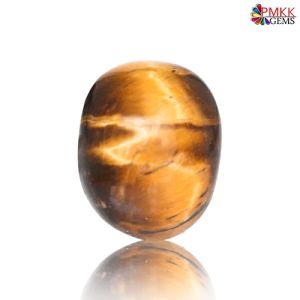
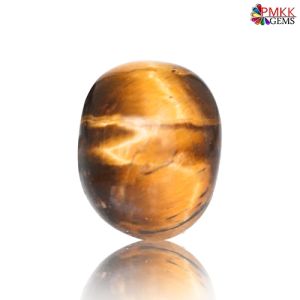
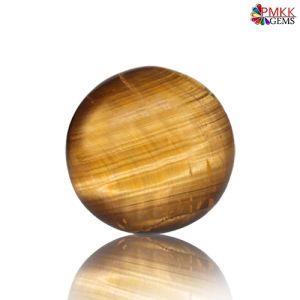
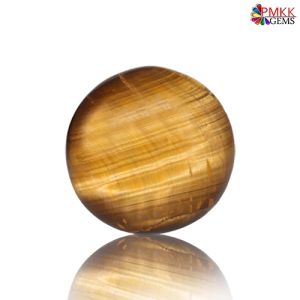
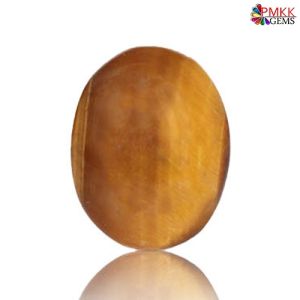
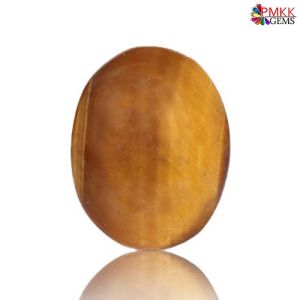
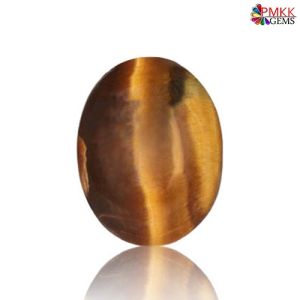
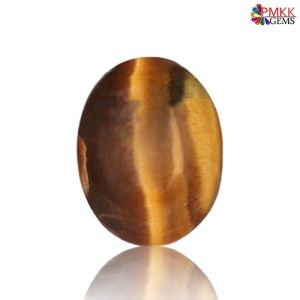
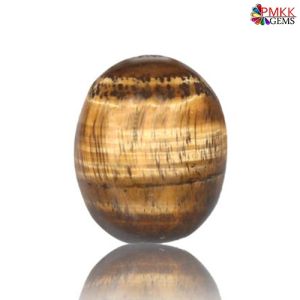
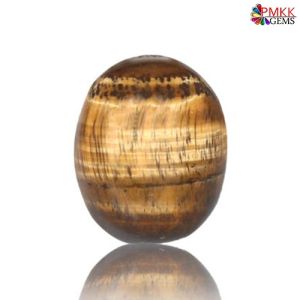
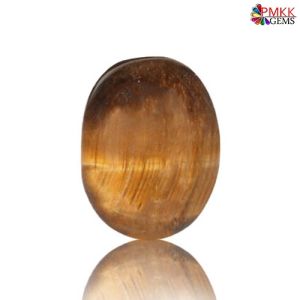
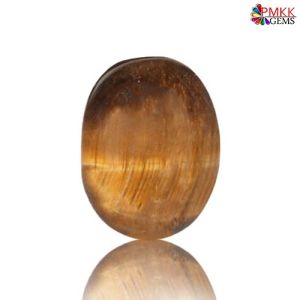
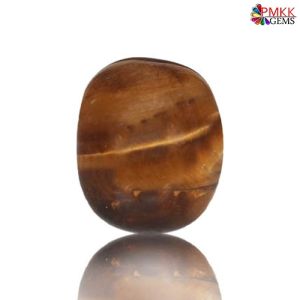
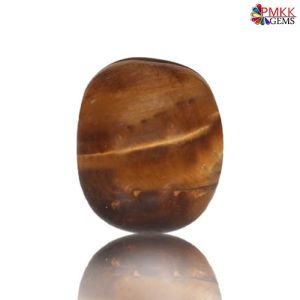
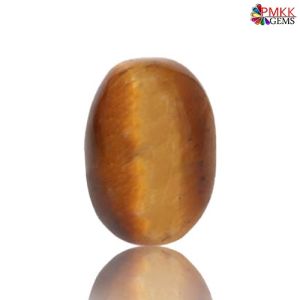
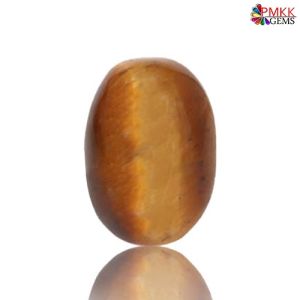
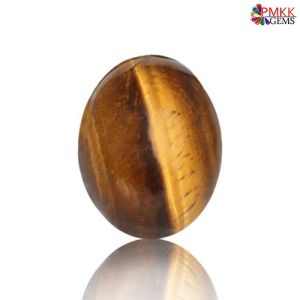
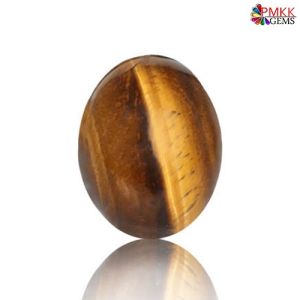
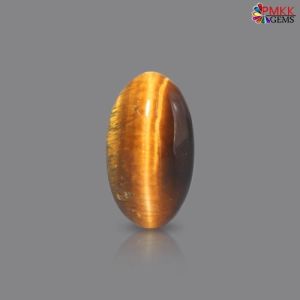
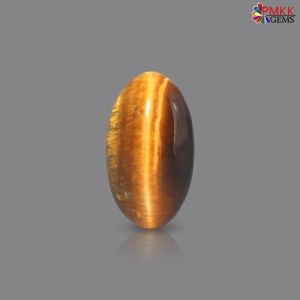
Tiger eye stone, popularly known as the biggest rival of cat’s eye gemstone, is one of the most enigmatic and talismanic semi-precious gemstones, best known for its fiery and beautiful golden hues and chatoyancy effect. Astrologically, natural tiger eye stone is an enormously significant gemstone as tiger eye bracelets and tiger eye pendants are widely worn by people to protect themselves from vicious eyes and evil energies.
The golden shimmer in tiger eye crystals closely and deeply resembles the natural eyes of a tiger, and the golden hues in tiger eye is because of the presence of certain elements. This fiery and striking gemstone is also known as “the watchful stone” as it protects the wearer from sheer negativity, unwanted events, and wards off evil eyes. Let’s learn more about the tiger eye gemstone history
Tiger Eye History & Origin
Tiger's Eye has been on the center stage since time immemorial. The Romans used it as a protective and impenetrable shield by believing it could deflect the evil eye and bring courage to its wearer. Ancient Egyptians also prized the tiger eye stone, using it for inlay work in statues and sacred objects, often associating it with divine vision and protection.
If we dive deep into the more recent history, especially during the Victorian era, Tiger's Eye became a fashionable gemstone in Europe, commonly set into brooches, rings, and pendants. It also gained popularity in metaphysical circles for its supposed grounding and protective properties.
Tiger Eye Origin & Sources
Tiger's Eye is derived from the mineral crocidolite, and is one of the most fabled members of this family, which over time is replaced by silica, resulting in its fibrous structure and distinctive sheen. It is primarily found in regions with significant metamorphic activity. Major sources of tiger eye gemstone encloses:
South Africa: The most well-known and prolific source of the finest quality tiger eye gemstone, particularly the Northern Cape Province, where some of the finest quality Tiger's Eye is mined in bulk quantity.
Australia: Some provinces of Australia are renowned for producing high-quality tiger eye crystals ideal for bracelets and pendants, especially in Western Australia.
India and Brazil: These countries also contribute to significant global production of above average quality tiger eye stones with varying color intensity.
United States (California): Small deposits of average quality tiger eye gemstone exist in different locations of California, but are less commercially significant.
Tiger Eye Stone Price
The price of tiger eye stone, an extremely popular semi-precious gemstone known for its striking golden-brown bands and chatoyant effect, depends on several factors such as quality, color, clarity, cut, size, origin, and market demand. Below is a detailed breakdown of the factors influencing tiger eye stone prices, presented in pointers for clarity:
Quality and Appearance: Par excellent quality tiger eye stones exhibit vibrant golden-brown, honey, or reddish hues with a strong, silky chatoyancy (cat’s-eye effect). These stones typically range from $1 to $3 per carat.
Premium stones with exceptional clarity, vivid color, and a sharp, well-defined chatoyant band can command $7 to $20 per carat, especially for larger sizes.
Lower-grade stones with dull colors, weak chatoyancy, or visible inclusions are more affordable, priced at $0.10 to $1 per carat.
Color Variations: The classic golden-brown hues in the natural tiger eye stone are the most valuable and widely available type keeping its price moderate.
Rare varieties, such as blue tiger eye (also called hawk’s eye) or red tiger eye (often heat-treated), are more expensive due to their scarcity. These can range from $5 to $15 per carat or higher.
Multicolored or uniquely patterned stones, showing a mix of golden, blue, or green tones, are highly sought after and may fetch premium prices.
Size and Carat Weight: Small size tiger eye stones (under 5 carats) are generally cheaper, with prices starting as low as $0.50 per carat for common grades.
Larger stones, especially cabochons or polished pieces over 5 carats, are rarer and more valuable, often priced between $10 and $20 per carat.
Exceptionally large, high-quality pieces used for carvings or statement jewelry can exceed $50 per carat in niche markets.
Cut and Shape: Tiger eye is typically cut into cabochons to highlight its chatoyancy, with well-polished, symmetrical cuts increasing value.
Faceted tiger eye is rare and commands higher prices due to the skill required, often $5 to $15 per carat for quality pieces.
Beads (5-10mm) for jewelry-making are sold by the strand, with prices ranging from $10 to $30 per strand, depending on size and quality.
Tumbled stones, used for decor or healing purposes, are inexpensive, typically costing $5 to $10 per ounce.
Origin: South Africa and Western Australia are the primary sources of high-quality original tiger eye stones, and stones from these regions are often more expensive due to their superior color and chatoyancy.
Stones from other locations, such as India or Brazil, may be more affordable but can vary in quality. Provenance matters for collectors, with certified stones from renowned mines fetching 20-30% higher prices.
Treatments: Natural, untreated tiger eye is most valuable, as treatments like heating (to enhance red hues) or dyeing (to create unnatural colors) reduce authenticity and price.
Treated stones are common in lower-end markets and may cost 50% less than their untreated counterparts. Buyers should request certification to verify natural stones, especially for high-value purchases.
Tiger Eye Stone Benefits
Tiger eye gemstone is a distinctive golden-brown gemstone with chatoyant bands that create a silky, luminous appearance. This quartz-based stone has been valued for centuries for its purported metaphysical properties, tiger eye benefits, and practical applications.
Mental Clarity and Focus
Tiger eye is believed to enhance concentration, mental sharpness, and decision-making abilities. Many practitioners use it during meditation or study sessions to maintain focus and clear thinking.
Protection and Grounding
Tiger eye is considered a protective stone that helps deflect negative energy while promoting emotional stability and grounding. It's thought to create a shield against harmful influences.
Chakra and Energy Work
Tiger eye is primarily associated with the solar plexus chakra, which governs personal power, confidence, and self-esteem. Some practitioners also connect it to the root and sacral chakras for grounding and creativity.
How To Wear Tiger Eye Stone
Tiger Eye, a powerful and astrologically significant gemstone linked to confidence, protection, and grounding, is often worn astrologically to harness its energies. Follow these steps to wear it correctly:
Choose the Right Stone: Select a natural, high-quality Tiger Eye gemstone, preferably certified, with a vibrant golden-brown hue and chatoyancy (cat’s eye effect).
Consult an Astrologer: Confirm if Tiger Eye suits your zodiac sign (ideal for Leo, Capricorn, and Gemini) or birth chart, as it aligns with the Sun and Mars energies.
Purify the Stone: Cleanse the gemstone to remove negative energies by soaking it in saltwater overnight, rinsing it with clean water, or smudging it with sage.
Energize the Stone: Charge it by placing it under sunlight for 2-4 hours or moonlight during a full moon to enhance its astrological properties.
Select the Right Metal: Set the Tiger Eye in gold or silver for astrological benefits, as these metals amplify its energy.
Wear on the Correct Finger: Wear it as a ring on the index finger (Jupiter finger) or ring finger of the right hand for men and left hand for women.
Choose an Auspicious Time: Wear the stone on a Sunday during Shukla Paksha (waxing moon phase) in the morning after chanting mantras like “Om Suryaya Namah” 11 times.
Maintain Regularly: Cleanse and recharge the stone monthly to keep its energy potent and avoid wearing it during negative activities.
Who Can Wear Tiger Eye Gemstone
There are certain individuals in different professions or going through particular conditions can embrace tiger eye stone.
Zodiac Signs: This scintillating gemstone is Ideal for Leo, Capricorn, and Gemini, enhancing confidence, ambition, and focus. Taurus and Scorpio may also benefit.
Professions: Suits entrepreneurs, students, and leaders needing clarity, decision-making, or creative boosts.
Personality Types: Recommended for those seeking courage, balance, or protection from negativity. Avoid if prone to over-aggression, as it may amplify assertiveness.
Spiritual Seekers: Perfect for individuals focusing on grounding, root chakra healing, or manifesting goals.
Universal Appeal: Generally safe for all, but consult an astrologer for personalized advice, especially if combining with other stones.

Filter
Shopping Options

Customer Reivews

"I recently purchased an emerald from PMKK gems and I couldn’t be more satisfied with my experience. The quality of the gemstone is absolutely remarkable—clear, vibrant, and flawless. It’s evident that they only deal in the finest gemstones.I highly recommend this store to anyone looking for high-quality gemstones and expertly crafted, bespoke jewellery. Highly recommended. "
- Vinesh V
" Recently purchased a top quality 7.7 carat yellow sapphire from pmkk gems and I am extremely satisfied with quality and price of the piece. They also provided gem lab report to which erased all my doubts regarding authenticity. I strongly recommend pmkk gems name to anyone who is looking for purchasing premium quality rashi ratan. "
- Mukesh Soni

" I was afraid to shop ring online .whether it will be really genuine or not but to my surprise pmkk gems send it with a super secure packing and the built quality is awesome and finishing of the ring is outstanding.I'm really impressed! "
- ZESTY VINES

"This place has an incredible selection of gemstones—the best I’ve seen around. It definitely helps if you know what you’re looking for and have some knowledge about gems, but Harsh is great at guiding you to the right choice. I highly recommend this shop for gem shopping! It’s a little off the beaten path, but absolutely worth it. The prices are reasonable for the quality, and they even managed to set the gems I chose into a pendant and ring in less than a day."
- Mark Jamiel

" Just receive this nice imperial topaz ring from Tham and it was cost 45k. I did order it from South Africa. Overall experience was nice. Akanksha was very helpful and provide a good service. Only complaint is I think they little expensive with stone but I'm happy with it. I did receive good and clear quality stone"
- Lutfur Rahman Rana

"This place has an incredible selection of gemstones—the best I’ve seen around. It definitely helps if you know what you’re looking for and have some knowledge about gems, but Harsh is great at guiding you to the right choice. I highly recommend this shop for gem shopping! It’s a little off the beaten path, but absolutely worth it. The prices are reasonable for the quality, and they even managed to set the gems I chose into a pendant and ring in less than a day. "
- Knight Rider


Agate Stone
Amber Stone
Ametrine Stone
Amethyst Stone
Aquamarine
Aventurine
Bloodstone
Blue Moon Stone
Blue Topaz
Blue Zircon
Citrine (sunela)
Garnet
Green Tourmaline
Green Amethyst
Green Onyx
Imperial Topaz
Iolite (Kaka Neeli)
Irani Feroz
Labradorit
Larimar
Lapis (lazuli)
Lemon Topaz
Ocean Jasper
Opal stone
Peridot
Sulemani Hakik
Tanzanite Stone
Tiger Eye Stone
White Topaz
White Zircon
Yellow Fluorite
Yellow Topaz
Yellow Zircon
Rose Quartz