Currency

Padparadscha Sapphire
Padparadscha sapphire, popularly known as padmaraga stone or sunset-color sapphire, is one of the rarest and most valuable types of sapphires in existence. Exalted highly among all sapphires, padparadscha sapphires come in pink, orange, and pinkish-orange hues, which are rare in sapphires. It is also denoted as the Lotus color gemstone, as some of the variations in hues resemble the color of lotus.
Though there is no clear relation with any birthstone month, Padaparadscha sapphires are usually referred as September month birthstone. Like Panjshir emerald stone and burma rubies, padaparasdcha sapphires are still one of the top choices for gemstone collectors and enthusiasts.
Padparadscha Sapphire OriginPadparadscha sapphires, renowned for their extraordinary appearance and captivating pinkish-orange hue, primarily originate from Sri Lanka, where they have been mined for centuries. The term "padparadscha" derives from the diminishing Sinhalese language word for "lotus blossom," reflecting their delicate, sunset-like color.
Apart from Sri Lanka, Padparadscha gemstones are also found in Madagascar and Tanzania regions. However, Sri Lankan padmaraga stones remain the most prized and valued ones. Formed deep within the Earth's crust under intense heat and pressure, padparadscha sapphires are also a stunning variety of corundum mineraly family with their unique color resulting from the presence of trace elements like iron and chromium. Their scarcity and timeless beauty make them highly sought after in the gemstone market.
Padparadscha Sapphire Price
The price of natural padparadscha sapphires is influenced by a complex interplay of factors, ranging from color and origin to treatments, cut, carat weight, and certification. Below is a comprehensive breakdown of the key elements that affect Padparadscha sapphire pricing.
Color: By leaps and bounds, color is the most defining characteristic and the primary value driver of a Padparadscha sapphire price per carat.
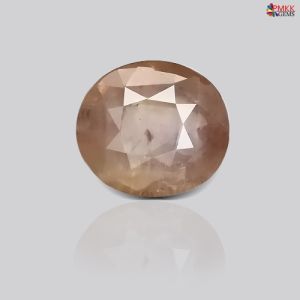
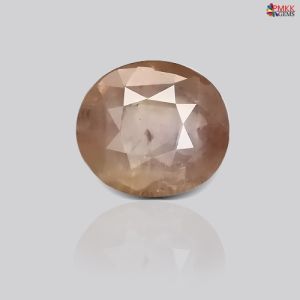
True Padparadscha exhibits a delicate, balanced blend of pink and orange hues — often described as “salmon,” “peach,” or “lotus.” Neither color should dominate; the ideal combinatio of color in Padparadschas is a harmonious and soft fusion. Medium saturation and medium-light to medium tone are most desirable in these gemstones. Padparadscha Stones that are either too dark, too pale, or overly saturated (e.g., neon pink or deep orange) may not qualify as true Padparadscha and will be priced lower.
Origin: Sri Lanka, primarily the Ceylon region, is traditionally the most prestigious source of prime quality Padmaraga stones. Sri Lankan Padparadschas are usually lighter in color, more pastel, and highly sought after by collectors. They typically command the highest premiums.
Madagascar is another noteworthy source that Produces original padparadscha stones with stronger saturation. While beautiful, they are sometimes viewed as less “classic” than Sri Lankan stones — though top-quality Madagascan Padparadschas can rival or exceed Sri Lankan prices. Two of the most notable emerging sources of Padparadscha sapphires are Tanzania & Vietnam. Stones from these regions may be priced lower than usual unless they exhibit exceptional color and clarity.
Clarity: Not many individuals know that Padparadschas are typically Type II gemstones, meaning some inclusions are expected and inevitable in these gemstones. Stones with no visible inclusions to the naked eye are significantly more valuable than the ones with minimal to noteworthy inclusions.
Silk-like rutile inclusions may enhance color through scattering light (similar to Kashmir sapphires), but large, dark, or surface-reaching inclusions reduce value.
Carat Weight: Padparadscha sapphires price is also influenced by its carat weight. Stones with over 2 carats are exceptionally rare and difficult to find. Prices rise exponentially with respect to size. A 3-carat Padparadscha may cost 3–5x more per carat than a 1-carat stone of similar quality.
Availability: Stones over 5 carats with fine color and no treatment are museum-quality rarities and can sell for hundreds of thousands of dollars.
Cut: When it comes to shape, Oval, cushion, and round are most common shapes available in padparadscha sapphires. Fancy shapes like (pear, marquise) may command premiums prices if well-cut and rare. Proper depth and symmetry ensure optimal light return. Poorly cut stones “leak” light and appear dull.
Padparadscha Sapphire Benefits
Padparadscha sapphires, with their distinctive pink-orange hue reminiscent of lotus blossoms, are prized for both their beauty and metaphysical properties.
Physical & Healing Properties:
Believed to support cardiovascular health and circulation
May aid in digestive system balance
Thought to boost immune system function
Associated with increased vitality and energy levels
Emotional & Mental Benefits:
Promotes emotional healing and releases past trauma
Enhances creativity and artistic expression
Encourages self-confidence and personal empowerment
Helps balance emotions and reduce anxiety
Supports mental clarity and focus
Spiritual Attributes:
Connects heart and sacral chakras, promoting love and passion
Facilitates spiritual growth and wisdom
Enhances intuition and psychic abilities
Promotes harmony between mind, body, and spirit
Associated with divine love and compassion
Relationship & Social Benefits:
Attracts loving relationships and strengthens existing bonds
Improves communication in partnerships
Encourages forgiveness and understanding
Supports healthy boundaries in relationships
How To Wear Padparadscha Stone
When it comes to wearing a padparadscha sapphire, its stunning color is the main attraction. The way you wear it can enhance its beauty and complement your style.
Choosing the Right Setting and Metal:
Rose Gold: The warm, rosy tones of rose gold are often considered the ideal match for a padparadscha sapphire. Rose gold accentuates the pink and orange hues of the stone, creating a harmonious and romantic look.
Yellow Gold: Yellow gold can also be a beautiful choice, as it complements the orange tones within the sapphire, giving the piece a classic and warm feel.
Platinum or White Gold: While rose gold and yellow gold are often preferred, a padparadscha can also be set in platinum or white gold. The cool, neutral tone of these metals can create a striking contrast, making the pink-orange color of the stone pop.
Astrological Considerations:
In Vedic astrology, gemstones are often worn for their planetary benefits. The practice of wearing a padparadscha sapphire for astrological purposes typically involves specific rituals.
Finger: It is often recommended to wear the ring on the ring finger of your dominant hand. Some sources may also suggest the index finger, particularly for sapphires associated with the planet Jupiter.
Day and Time: The most auspicious time to wear the gemstone is often considered to be on a Thursday morning during the Shukla Paksha (waxing moon phase).
Purification and Activation: It's common practice to purify and energize the stone before wearing it by cleansing it with a mixture of raw milk, Ganga water, or holy water and chanting a specific mantra.
Who Can Wear a Padparadscha Sapphire?
The decision to wear a padparadscha sapphire can be based on personal aesthetic preference or astrological belief.
For Love and Relationships: The pink and orange hues of the padparadscha sapphire are often associated with love, passion, and emotional balance. Wearing it can symbolize a harmonious union and strengthen a romantic connection.
For Creativity and Expression: The stone is believed to inspire creativity and self-expression, making it a wonderful choice for artists, writers, and anyone in a creative field.
Zodiac Signs: While some astrological traditions associate padparadscha sapphires with the planet Venus (ruler of Libra and Taurus), other sources link it to Jupiter, making it beneficial for those with a well-placed Jupiter in their birth chart, particularly those with Sagittarius and Pisces as their ascendant or moon sign.
Professionals: The stone is said to enhance leadership qualities and decision-making abilities. It is considered beneficial for entrepreneurs, leaders, and those in high-profile professions such as journalism, law, and medicine.
Frequently Asked Questions:
Are Padparadscha sapphires valuable?
Yes, extremely valuable. They are among the rarest and most expensive sapphire varieties due to their unique color, limited supply, and high collector demand — especially if untreated and from Sri Lanka.
What makes a sapphire a Padparadscha?
A delicate, natural blend of pink and orange (like a lotus or sunset), with neither color dominating. Reputable labs (GIA, SSEF) require this specific hue combination — not just any pink-orange stone qualifies.
Can Padparadscha sapphires fade in sunlight?
No, natural Padparadschas do not fade in sunlight. Their color is stable. However, some treated or synthetic stones may show instability — another reason to buy certified natural gems.
How to tell if a Padparadscha sapphire is real?
Get a lab report from GIA, SSEF, GRS, or AGL. These confirm natural origin, color classification, and treatment status. Visually, look for natural inclusions and soft color zoning — but lab certification is essential for authenticity.
What is the best color of Padparadscha sapphire?
A balanced, medium-saturated blend of pink and orange — often called “salmon” or “lotus.” Too pink or too orange reduces value. The finest have a soft, glowing, even hue with no gray or brown modifiers.
Where are Padparadscha sapphires found?
Primarily Sri Lanka (most prized), Madagascar (often more saturated), and smaller quantities from Tanzania, Vietnam, and Rwanda. Sri Lankan stones typically command the highest prices due to tradition and pastel elegance.
Padparadscha Sapphire

Filter
Shopping Options

Customer Reivews

"I recently purchased an emerald from PMKK gems and I couldn’t be more satisfied with my experience. The quality of the gemstone is absolutely remarkable—clear, vibrant, and flawless. It’s evident that they only deal in the finest gemstones.I highly recommend this store to anyone looking for high-quality gemstones and expertly crafted, bespoke jewellery. Highly recommended. "
- Vinesh V
" Recently purchased a top quality 7.7 carat yellow sapphire from pmkk gems and I am extremely satisfied with quality and price of the piece. They also provided gem lab report to which erased all my doubts regarding authenticity. I strongly recommend pmkk gems name to anyone who is looking for purchasing premium quality rashi ratan. "
- Mukesh Soni

" I was afraid to shop ring online .whether it will be really genuine or not but to my surprise pmkk gems send it with a super secure packing and the built quality is awesome and finishing of the ring is outstanding.I'm really impressed! "
- ZESTY VINES

"This place has an incredible selection of gemstones—the best I’ve seen around. It definitely helps if you know what you’re looking for and have some knowledge about gems, but Harsh is great at guiding you to the right choice. I highly recommend this shop for gem shopping! It’s a little off the beaten path, but absolutely worth it. The prices are reasonable for the quality, and they even managed to set the gems I chose into a pendant and ring in less than a day."
- Mark Jamiel

" Just receive this nice imperial topaz ring from Tham and it was cost 45k. I did order it from South Africa. Overall experience was nice. Akanksha was very helpful and provide a good service. Only complaint is I think they little expensive with stone but I'm happy with it. I did receive good and clear quality stone"
- Lutfur Rahman Rana

"This place has an incredible selection of gemstones—the best I’ve seen around. It definitely helps if you know what you’re looking for and have some knowledge about gems, but Harsh is great at guiding you to the right choice. I highly recommend this shop for gem shopping! It’s a little off the beaten path, but absolutely worth it. The prices are reasonable for the quality, and they even managed to set the gems I chose into a pendant and ring in less than a day. "
- Knight Rider


Agate Stone
Amber Stone
Ametrine Stone
Amethyst Stone
Aquamarine
Aventurine
Bloodstone
Blue Moon Stone
Blue Topaz
Blue Zircon
Citrine (sunela)
Garnet
Green Tourmaline
Green Amethyst
Green Onyx
Imperial Topaz
Iolite (Kaka Neeli)
Irani Feroz
Labradorit
Larimar
Lapis (lazuli)
Lemon Topaz
Ocean Jasper
Opal stone
Peridot
Sulemani Hakik
Tanzanite Stone
Tiger Eye Stone
White Topaz
White Zircon
Yellow Fluorite
Yellow Topaz
Yellow Zircon
Rose Quartz