Currency

Agate Stone
What is Lace Agate?
Lace agate is a stunning variety of banded chalcedony characterized by intricate, lace-like patterns formed by fine, delicate bands. This semi-precious gemstone features swirling layers in white, gray, blue, pink, or brown, creating mesmerizing designs that resemble delicate lacework. Popular types include blue lace agate, crazy lace agate, and Mexican lace agate.
Popular Types of Lace Agate:
Blue Lace Agate: The most sought-after variety, featuring soft sky-blue bands with white layers. Primarily found in Namibia, it's known for its calming energy and communication-enhancing properties.
Crazy Lace Agate: Also called "Mexican Lace Agate" or "Happy Lace," this vibrant variety displays bold, chaotic patterns in reds, browns, golds, and grays. Found in Chihuahua, Mexico, it's celebrated for its joyful, energizing qualities.
Pink Lace Agate: Features delicate pink and white banding, promoting love, emotional healing, and heart chakra activation.
Purple Lace Agate: Rare variety with lavender to deep purple bands, associated with spiritual awareness and crown chakra connection.
Lace Agate Quality & Grading
Factors Determining Quality:
Color and Pattern Clarity: Premium lace agate displays vivid, well-defined banding with high contrast between layers. Blue lace agate with sky-blue bands is particularly prized, while crazy lace agate showcases vibrant multicolored swirls.
Translucency: Higher quality stones show excellent translucency when held to light, allowing internal patterns to glow.
Band Definition: Sharp, distinct lace-like patterns indicate superior quality. Blurry or muddy banding reduces value.
Size and Cut: Larger specimens with expert cabochon cuts or polished finishes command higher prices. Well-proportioned stones maximize pattern visibility.
Natural vs. Treated: Untreated, natural lace agate is more valuable than dyed or enhanced varieties.
Quality Grades:
AAA Grade: Exceptional color saturation, perfect translucency, intricate patterns, no inclusions
AA Grade: Strong colors, good clarity, attractive banding, minimal flaws
A Grade: Moderate color, acceptable patterns, some cloudiness or imperfections
Commercial Grade: Pale colors, unclear banding, suitable for basic jewelry
Lace Agate Prices (2026 Market Guide)
Price Ranges by Type:
Blue Lace Agate:
• Tumbled stones (10-20g): $3-$8 per piece
• Cabochons (5-10 carats): $15-$40
• Premium jewelry-grade specimens: $50-$150 per caratCrazy Lace Agate:
• Small tumbled stones: $2-$5 each
• Medium cabochons: $10-$25
• Large polished slabs (100g+): $30-$80Mexican Lace Agate:
• Raw specimens: $5-$15 per pound
• Polished pieces: $20-$60 depending on size and qualityPink/Purple Lace Agate:
• Beads (8mm): $8-$15 per strand
• Statement pieces: $40-$100+Factors Affecting Price:
Origin plays a crucial role—authentic Namibian blue lace agate (now rare) costs significantly more than other sources. Cut quality, carat weight, pattern uniqueness, and market demand also influence pricing. Custom jewelry pieces with lace agate rings, pendants, or bracelets add craftsmanship costs.
Lace Agate Benefits: Metaphysical & Healing Properties
Emotional and Mental Benefits:
Calming and Soothing Energy: Lace agate is renowned as a stress relief stone, promoting tranquility and emotional balance. It's ideal for anxiety reduction and peaceful meditation.
Communication Enhancement: Particularly blue lace agate activates the throat chakra, improving self-expression, public speaking abilities, and honest communication.
Mental Clarity: Helps organize thoughts, improves concentration, and supports decision-making processes.
Emotional Healing: Assists in releasing past trauma, reducing anger, and fostering forgiveness and self-acceptance.
Physical Healing Properties (Traditional Beliefs):
• Supports throat, neck, and thyroid health
• May help with headaches and inflammation
• Believed to aid digestive system balance
• Supports bone and skeletal strength
• Promotes restful sleep and reduces insomniaSpiritual Benefits:
Chakra Balancing: Different colored lace agates correspond to various chakras—blue for throat, pink for heart, and purple for crown chakra.
Grounding Energy: Provides stability while encouraging spiritual growth and higher consciousness.
Protection: Creates a gentle protective shield against negative energies and electromagnetic stress.
How To Wear Lace Agate Stone
Wearing Guidelines:
As Jewelry: Wear lace agate as rings, pendants, bracelets, or earrings to keep its energy close to your body throughout the day.
Preferred Hand: For healing benefits, wear on your left hand (receiving side). For projecting calm energy outward, wear on your right hand.
Metal Pairings: Silver enhances lace agate's cooling properties, while copper amplifies energy flow. Gold creates a balanced, warm-cool energy combination.
Placement for Specific Benefits:
• Throat area (necklace/pendant): Communication and self-expression
• Heart area: Emotional healing and compassion
• Wrist (bracelet): Continuous energy flow and stress reliefCleansing and Activation Rituals:
Initial Cleansing (before first wear):
• Rinse under lukewarm running water for 30-60 seconds
• Place in moonlight overnight (especially during full moon)
• Smudge with sage, palo santo, or incense smoke
• Use sound cleansing with singing bowls or bellsRegular Maintenance:
• Cleanse weekly or after stressful situations
• Avoid harsh chemicals, ultrasonic cleaners, or extreme temperatures
• Recharge in sunlight for 1-2 hours monthly (avoid prolonged exposure which may fade colors)Activation Ritual:
• Hold the stone in your dominant hand
• Set clear intentions for what you wish to manifest
• Visualize white or blue light filling the stone
• Speak affirmations aloud: "I communicate clearly and calmly" or "I am protected and at peace"
• Wear immediately to seal the intentionWhen to Wear Lace Agate:
• During stressful work situations or important presentations
• When feeling anxious, overwhelmed, or emotionally unbalanced
• During meditation or yoga practice
• When seeking creative inspiration or mental clarity
• Daily wear for continuous energetic support
Frequently Asked Questions:
Is lace agate rare?
Most lace agate varieties are moderately available, but high-quality blue lace agate from Namibia is becoming increasingly rare as mines deplete, making it more valuable.Can lace agate go in water?
Yes, lace agate can be briefly rinsed in water for cleansing, but avoid prolonged soaking or saltwater, which may affect polish and sealants.How can I tell if my lace agate is real?
Genuine lace agate has natural, irregular banding patterns, feels cool to touch, and shows slight translucency. Fake versions often have too-perfect, painted-looking bands or feel plastic-like.Which lace agate is most powerful?
Blue lace agate is considered the most spiritually powerful for communication and throat chakra work, while crazy lace agate excels at joy and energy enhancement.Can I wear lace agate every day?
Absolutely. Lace agate is durable (Mohs hardness 6.5-7) and gentle enough for daily wear, providing continuous calming benefits.What zodiac signs benefit from lace agate?
Particularly beneficial for Gemini and Pisces, but its universal calming properties suit all zodiac signs, especially those needing communication support.Does lace agate fade in sunlight?
Prolonged direct sunlight exposure may slightly fade certain colors over time. Limit sun exposure to 1-2 hours for charging purposes.How do I choose the right lace agate?
Trust your intuition—you should feel drawn to a specific piece. Consider which color resonates with your needs: blue for communication, pink for love, or multicolored for joy and energy.

Filter
Shopping Options

Customer Reivews

"I recently purchased an emerald from PMKK gems and I couldn’t be more satisfied with my experience. The quality of the gemstone is absolutely remarkable—clear, vibrant, and flawless. It’s evident that they only deal in the finest gemstones.I highly recommend this store to anyone looking for high-quality gemstones and expertly crafted, bespoke jewellery. Highly recommended. "
- Vinesh V
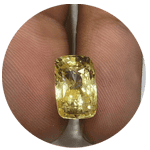
" Recently purchased a top quality 7.7 carat yellow sapphire from pmkk gems and I am extremely satisfied with quality and price of the piece. They also provided gem lab report to which erased all my doubts regarding authenticity. I strongly recommend pmkk gems name to anyone who is looking for purchasing premium quality rashi ratan. "
- Mukesh Soni

" I was afraid to shop ring online .whether it will be really genuine or not but to my surprise pmkk gems send it with a super secure packing and the built quality is awesome and finishing of the ring is outstanding.I'm really impressed! "
- ZESTY VINES

"This place has an incredible selection of gemstones—the best I’ve seen around. It definitely helps if you know what you’re looking for and have some knowledge about gems, but Harsh is great at guiding you to the right choice. I highly recommend this shop for gem shopping! It’s a little off the beaten path, but absolutely worth it. The prices are reasonable for the quality, and they even managed to set the gems I chose into a pendant and ring in less than a day."
- Mark Jamiel

" Just receive this nice imperial topaz ring from Tham and it was cost 45k. I did order it from South Africa. Overall experience was nice. Akanksha was very helpful and provide a good service. Only complaint is I think they little expensive with stone but I'm happy with it. I did receive good and clear quality stone"
- Lutfur Rahman Rana

"This place has an incredible selection of gemstones—the best I’ve seen around. It definitely helps if you know what you’re looking for and have some knowledge about gems, but Harsh is great at guiding you to the right choice. I highly recommend this shop for gem shopping! It’s a little off the beaten path, but absolutely worth it. The prices are reasonable for the quality, and they even managed to set the gems I chose into a pendant and ring in less than a day. "
- Knight Rider


Agate Stone
Amber Stone
Ametrine Stone
Amethyst Stone
Aquamarine
Aventurine
Bloodstone
Blue Moon Stone
Blue Topaz
Blue Zircon
Citrine (sunela)
Garnet
Green Tourmaline
Green Amethyst
Green Onyx
Imperial Topaz
Iolite (Kaka Neeli)
Irani Feroz
Labradorit
Larimar
Lapis (lazuli)
Lemon Topaz
Ocean Jasper
Opal stone
Peridot
Sulemani Hakik
Tanzanite Stone
Tiger Eye Stone
White Topaz
White Zircon
Yellow Fluorite
Yellow Topaz
Yellow Zircon
Rose Quartz