Currency

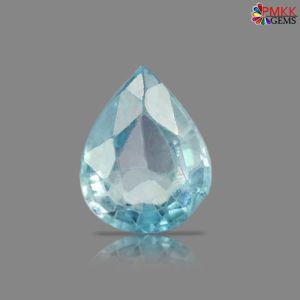
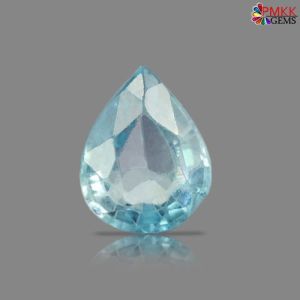
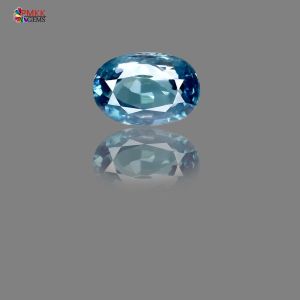
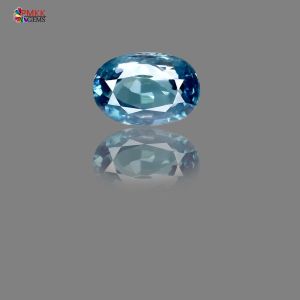
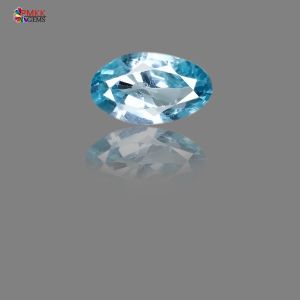
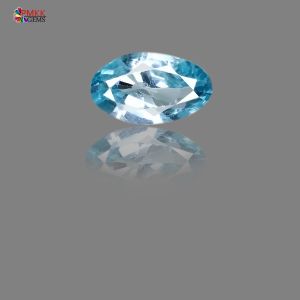
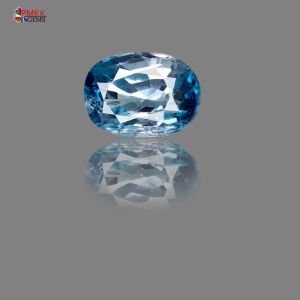
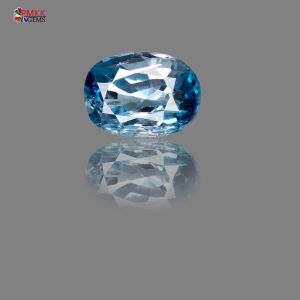
Blue Zircon (Jarkan Stone)
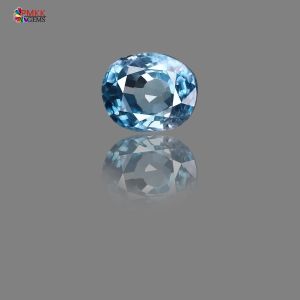
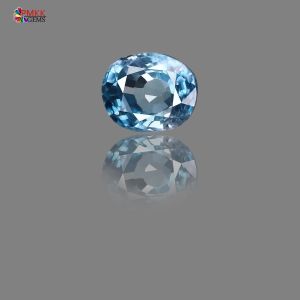
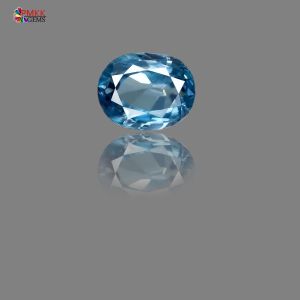
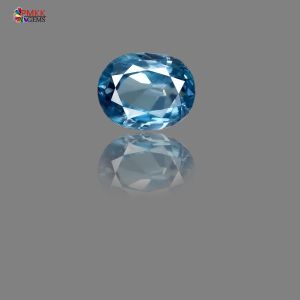
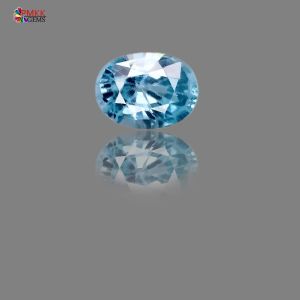
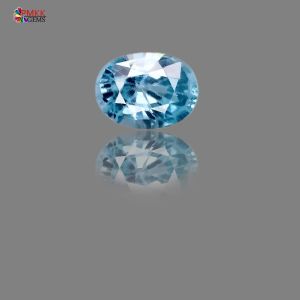
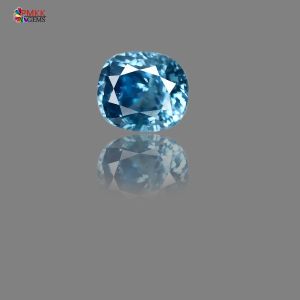
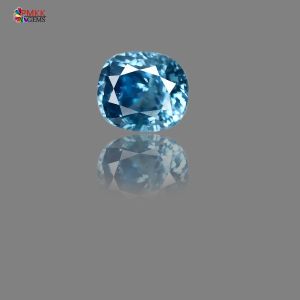
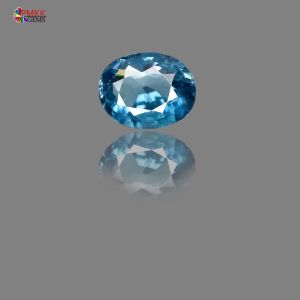
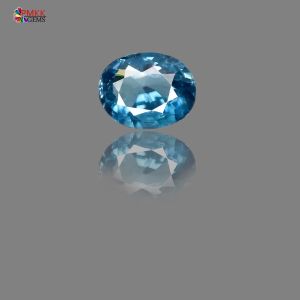
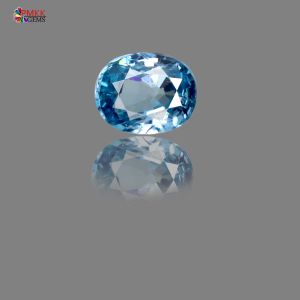
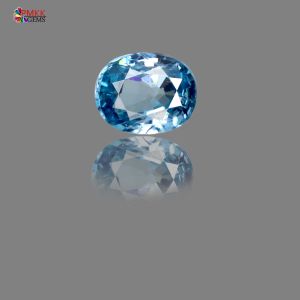
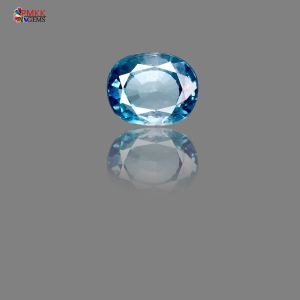
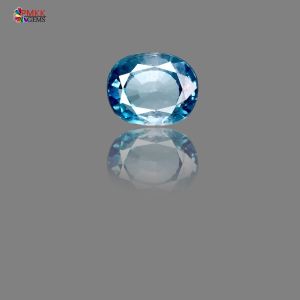
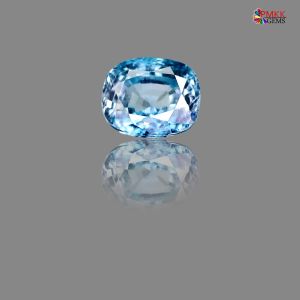
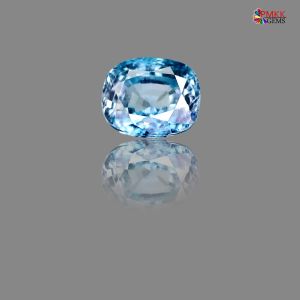
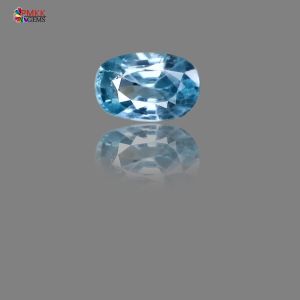
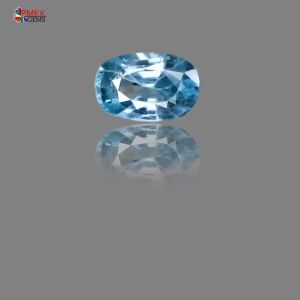
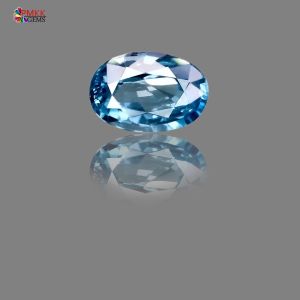
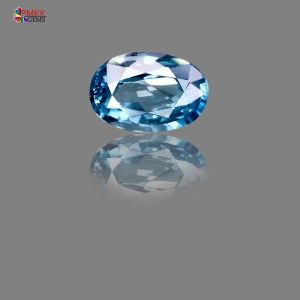
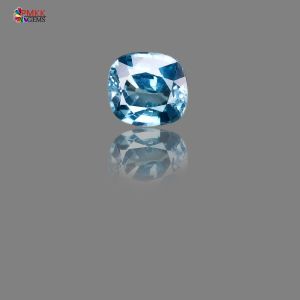
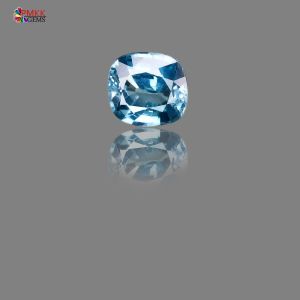
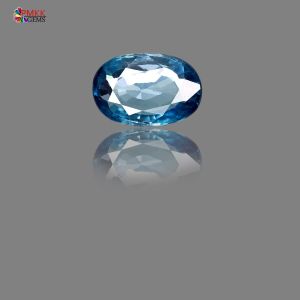
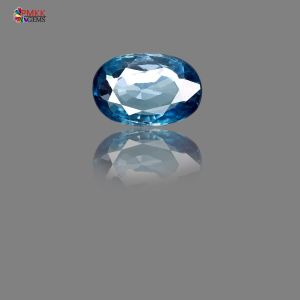
Blue zircon, also known as Jarkan stone, is a scintillating blue color variety of natural Zircon gemstone and an ideal substitute of blue sapphire. Blue zircon is revered and preferred profoundly by astrologers and masses because of its extraordinary astrological benefits and massive implications in affordable jewellery segment.
This extremely popular semi-precious gemstone shows different light blue hues and is a birthstone of the December month. In the domain of Vedic astrology, embracing a natural blue jarkan stone is widely believed to bring immense financial stability, fortune, success in the professional domain, and nurture love and respect in marital life.
Who Can Wear Blue Zircon Stone?
Blue zircon has become increasingly popular in recent years for its dazzling brilliance, affordability, and striking color reminiscent of the Caribbean Sea. But who can wear blue zircon, and what should you consider before choosing it as jewelry?
Anyone: Blue zircon is suitable for anyone, regardless of age, gender, or style preference. However, because of its physical properties, it’s best worn in jewelry that won’t be subjected to constant impact or rough use.
Gift for December Borns: Blue zircon is one of the official birthstones for December , making it an ideal gift for those born in this month. Alongside turquoise and tanzanite, blue zircon represents the cool tones associated with winter and the holiday season.
Jewelry Enthusiasts: Zircon is a budget-friendly alternative to more expensive gems like sapphire or diamond. Its strong dispersion creates a fire-like effect that rivals even the most expensive stones.
Seeking Astrological Benefits: In metaphysical circles, zircon is valued for its grounding and healing properties. Different colors of zircon are believed to have different effects, but blue zircon is particularly associated with: Calming energy and promoting emotional balance
Blue Zircon Price
Color: Color is the most vital and looked-after factor in determining the blue zircon price per carat and its quality. Blue zircon is greatly prized for its vibrant, vivid blue hues. The most valuable blue zircons display a pure, vivid blue with strong saturation. Top-quality stones have a rich, medium to medium-dark blue tone without secondary hues (e.g., green or gray). Less desirable stones may appear pale, washed-out, or have greenish or grayish undertones, reducing their value.
Even color distribution across the stone is essential. Stones with zoning (uneven color patches) are less valuable.
Clarity: High-quality blue zircons with eye-clean transparency, meaning no inclusions are visible to the naked eye demands high price. Stones with minor inclusions (visible under 10x magnification) are still considered good quality, but those with prominent inclusions or cloudiness are less valuable.
Cut: The cut of a blue zircon significantly affects its brilliance, fire (dispersion), and overall jarkan stone price per carat. Well-cut blue zircons maximize light return, showcasing their brilliance and fire. Common cuts include round, oval, cushion, and radiant, with faceted stones being the most popular. A masterfully cut blue zircon can increase its value by 10–30% compared to a poorly cut stone of similar color and clarity.
Carat Weight: The size of a blue zircon, measured in carats, directly influences its price, with larger stones being rarer and more expensive per carat. Small-size blue zircon stones (under 2 carats) are more abundant and typically sell for $10–$50 per carat. Larger, high-quality stones (5+ carats) can range from $50–$200 per carat or more.
Origin: Top-quality Blue zircon is primarily sourced from Cambodia, Sri Lanka, Vietnam, and Madagascar. Cambodian zircons, particularly from Ratanakiri, are renowned for their vivid blue color and high clarity, often commanding higher prices.
Jarkan Stone Origin
Natural Zircon with chemical composition (ZrSiO₄) forms primarily in igneous rocks, particularly granite, syenite, and other silica-rich igneous formations. The mineral crystallizes earliest and gradually in the cooling process of magma, making it one of the first minerals to form. This early crystallization contributes to natural blue zircon's extraordinary durability and resistance to chemical alteration.
Primary sources of natural blue zircon encloses:
Cambodia: The Ratanakiri Province in Cambodia produces some of the world's finest blue Jarkat stones.
Thailand: Notable deposits of light blue zircon stone in the Chanthaburi and Kanchanaburi regions.
Tanzania: The Tanga region yields exceptional quality natural jarkan stone specimens in heaps.
Australia: Various locations in New South Wales and Western Australia
Myanmar: The Mogok Stone Tract contains significant deposits of best quality blue zircon gemstones.
The heating process creates color centers involving trace elements and structural defects that selectively absorb wavelengths of light, resulting in the blue appearance
This process creates a stable blue color that ranges from pale sky blue to deep saturated teal, with the most valued specimens displaying a vivid electric blue with exceptional brilliance.
FAQs
What is Blue Zircon good for?
Blue Zircon is known for enhancing clarity of thought, improving communication skills, and promoting mental peace. It is also said to boost confidence and help in attracting wealth and harmony.
Who should not wear Blue Zircon?
People with weak Venus in their horoscope or those going through adverse Venus periods should avoid wearing Blue Zircon without proper astrological advice.
Which Rashi can wear Zircon?
Taurus (Vrishabha), Libra (Tula), and Gemini (Mithun) rashis are generally considered suitable for wearing Zircon, as it is associated with the planet Venus.
Does Zircon attract money?
Yes, Blue Zircon is believed to attract financial prosperity, success in business, and luxury when worn correctly and with astrological guidance.
Which finger to wear Blue Zircon?
It is typically worn on the ring finger of the right hand (or left for left-handed individuals), set in silver or white gold.
Is Zircon a fake stone?
No, Zircon is a natural gemstone, but it is often confused with synthetic stones like Cubic Zirconia, which is an artificial diamond simulant.
Blue Zircon

Filter
Shopping Options

Customer Reivews

"I recently purchased an emerald from PMKK gems and I couldn’t be more satisfied with my experience. The quality of the gemstone is absolutely remarkable—clear, vibrant, and flawless. It’s evident that they only deal in the finest gemstones.I highly recommend this store to anyone looking for high-quality gemstones and expertly crafted, bespoke jewellery. Highly recommended. "
- Vinesh V
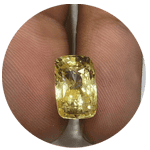
" Recently purchased a top quality 7.7 carat yellow sapphire from pmkk gems and I am extremely satisfied with quality and price of the piece. They also provided gem lab report to which erased all my doubts regarding authenticity. I strongly recommend pmkk gems name to anyone who is looking for purchasing premium quality rashi ratan. "
- Mukesh Soni

" I was afraid to shop ring online .whether it will be really genuine or not but to my surprise pmkk gems send it with a super secure packing and the built quality is awesome and finishing of the ring is outstanding.I'm really impressed! "
- ZESTY VINES

"This place has an incredible selection of gemstones—the best I’ve seen around. It definitely helps if you know what you’re looking for and have some knowledge about gems, but Harsh is great at guiding you to the right choice. I highly recommend this shop for gem shopping! It’s a little off the beaten path, but absolutely worth it. The prices are reasonable for the quality, and they even managed to set the gems I chose into a pendant and ring in less than a day."
- Mark Jamiel

" Just receive this nice imperial topaz ring from Tham and it was cost 45k. I did order it from South Africa. Overall experience was nice. Akanksha was very helpful and provide a good service. Only complaint is I think they little expensive with stone but I'm happy with it. I did receive good and clear quality stone"
- Lutfur Rahman Rana

"This place has an incredible selection of gemstones—the best I’ve seen around. It definitely helps if you know what you’re looking for and have some knowledge about gems, but Harsh is great at guiding you to the right choice. I highly recommend this shop for gem shopping! It’s a little off the beaten path, but absolutely worth it. The prices are reasonable for the quality, and they even managed to set the gems I chose into a pendant and ring in less than a day. "
- Knight Rider


Agate Stone
Amber Stone
Ametrine Stone
Amethyst Stone
Aquamarine
Aventurine
Bloodstone
Blue Moon Stone
Blue Topaz
Blue Zircon
Citrine (sunela)
Garnet
Green Tourmaline
Green Amethyst
Green Onyx
Imperial Topaz
Iolite (Kaka Neeli)
Irani Feroz
Labradorit
Larimar
Lapis (lazuli)
Lemon Topaz
Ocean Jasper
Opal stone
Peridot
Sulemani Hakik
Tanzanite Stone
Tiger Eye Stone
White Topaz
White Zircon
Yellow Fluorite
Yellow Topaz
Yellow Zircon
Rose Quartz