Currency

Overview
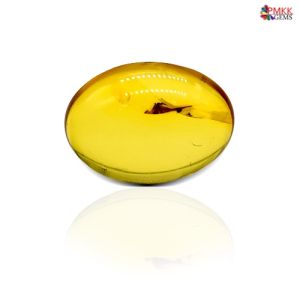
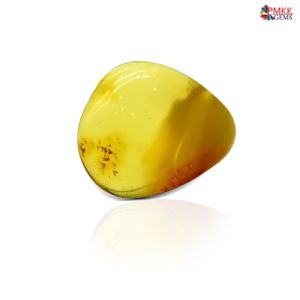
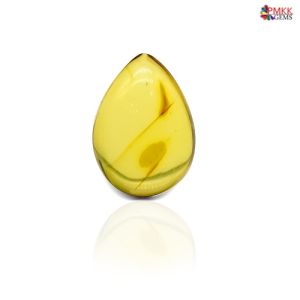
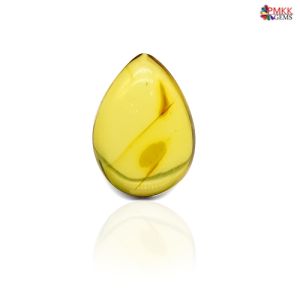
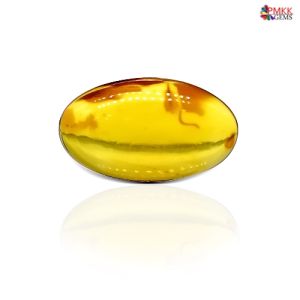
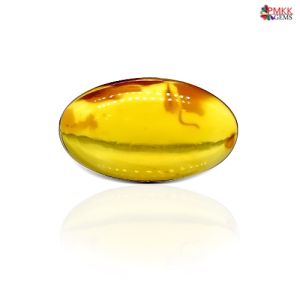
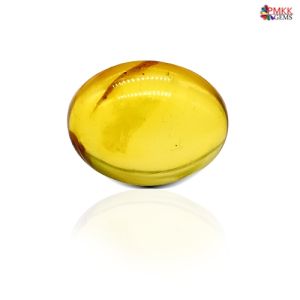
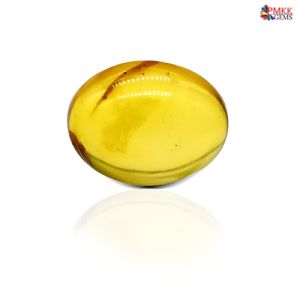
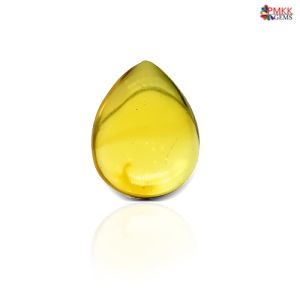
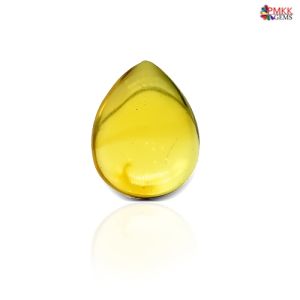
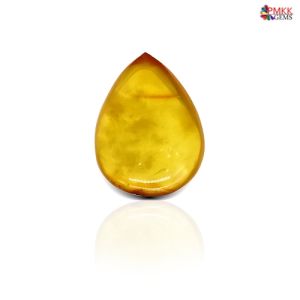
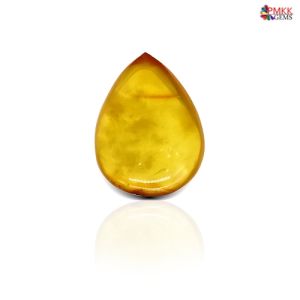
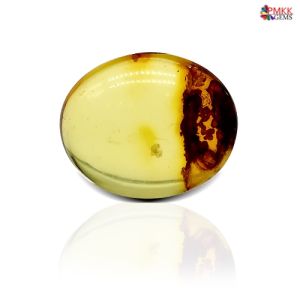
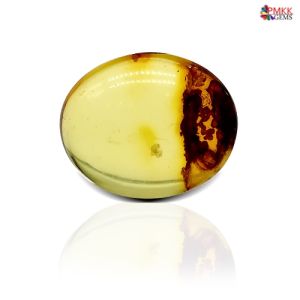
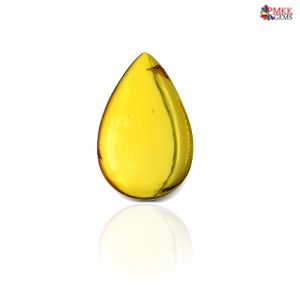
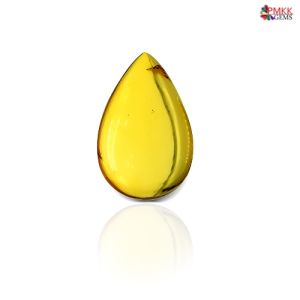
Amber is a rare, organic gemstone formed from the fossilized resin of prehistoric trees (dating back 30–90 million years). Unlike minerals, it is warm to the touch and incredibly light. Known as "Kaharua" in India, it is used for natural pain relief, emotional healing, and attracting prosperity. In astrology, it is linked to the Sun and Jupiter, making it a powerful tool for vitality and wisdom.
Note: In India, the price of an original Amber stone typically starts from ₹200 per carat and can go up to ₹2,700 per carat or more. For rare collector pieces, particularly those from the Baltic region or those containing prehistoric inclusions, the price can reach significantly higher levels.
Amber Stone
Amber Stone
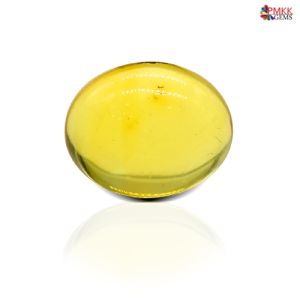
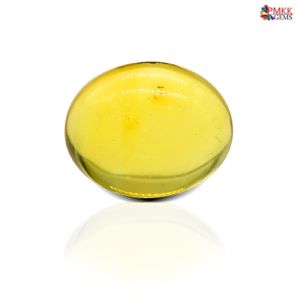
Amber is often called the "Gold of the North." Unlike diamonds or emeralds formed deep in the earth, Amber began as sticky resin on prehistoric trees. Over millennia, through a process of polymerization and oxidation, it transformed into a lightweight, warm-to-the-touch gemstone.
Technically, Amber is an organic hydrocarbon. Its chemical and physical properties are distinct:
- Chemical Formula: Primarily C10H16O (Carbon, Hydrogen, and Oxygen).
- Hardness: 2–2.5 on the Mohs scale (it is soft and requires care).
- Specific Gravity: 1.05 - 1.10 (it is so light it floats in saltwater).
- Refractive Index: Approximately 1.54.
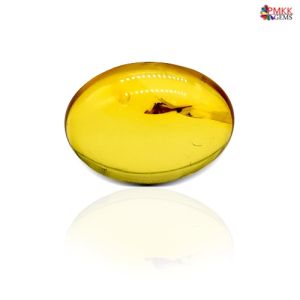
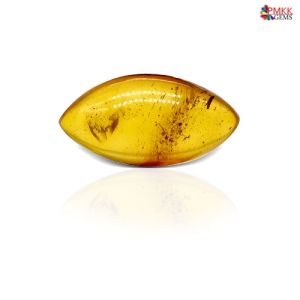
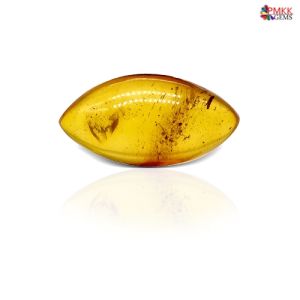
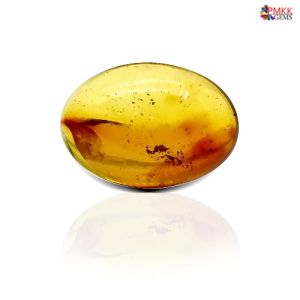
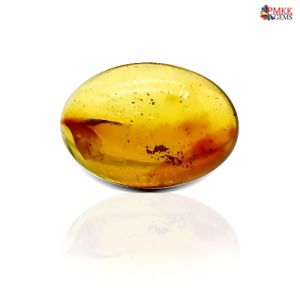
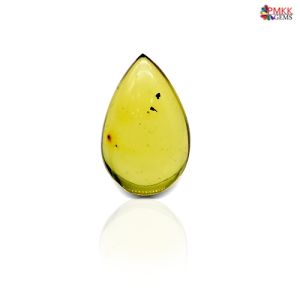
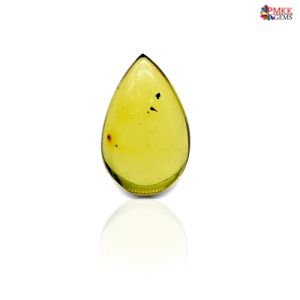
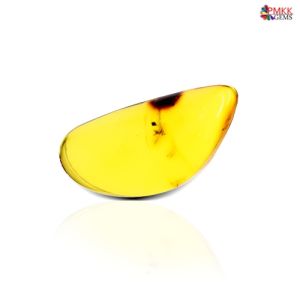
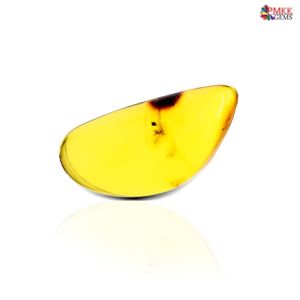
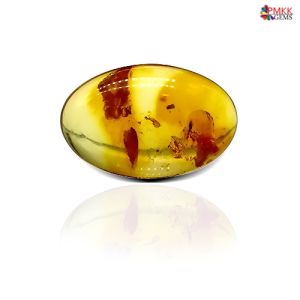
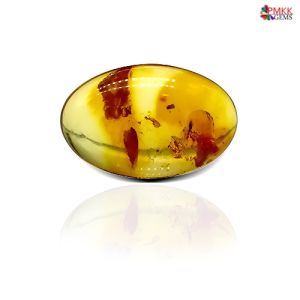
Because it is an organic "time capsule," many pieces contain inclusions—perfectly preserved prehistoric insects, feathers, or plant matter—giving it immense scientific and collector value.
Types and Origin
Amber deposits exist across the globe, but the quality, characteristics, and value of amber vary dramatically depending on its geographic origin and the ancient forests from which it formed.
Type Origin Characteristics Baltic Amber Baltic Sea Region (Poland, Lithuania, Russia) The "Gold Standard." Contains 3–8% Succinic Acid. Usually honey, cognac, or milky yellow. Dominican Amber Dominican Republic Famous for its Blue Amber variety which fluoresces under UV light. Mostly transparent. Burmese Amber (Burmite) Myanmar One of the oldest ambers (Cretaceous period). Known for being harder and having excellent clarity. Mexican Amber Chiapas, Mexico Often found in rich yellow and deep red hues; frequently contains high-quality fossils.
Amber Stone Quality & Prices
Understanding amber quality and pricing requires knowledge of multiple factors that interact to determine value. Amber valuation is more complex than typical gemstones because organic materials introduce variables that don't apply to crystalline minerals.
When buying Amber, remember that 1 gram = 5 carats. Most dealers sell Amber by the gram.
Quality Factors:
- Inclusions: A piece with a perfectly preserved prehistoric mosquito can be worth $1,000s, while a "clean" piece is much cheaper.
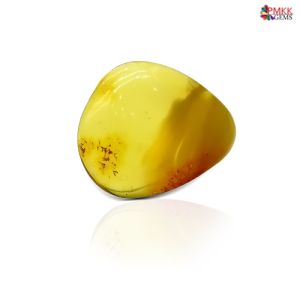
- Color: Deep Cherry Red and Royal White (Bony Amber) are the most expensive common colors. Blue Amber is the rarest.
- Authenticity: Ensure it is not "Copal" (young, un-fossilized resin) or plastic.
Price Estimate (2026):
- Standard Grade: ₹200 – ₹500 per carat.
- Premium Baltic (with clear clarity): ₹800 – ₹1,500 per carat.
- Rare Fossil/Blue Variety: Prices can exceed ₹5,000+ per carat depending on the rarity of the inclusion.
Amber Stone Benefits
Amber's most celebrated and extensively documented benefit centers on natural pain relief, particularly from high-quality Baltic amber rich in succinic acid. The traditional understanding, supported by contemporary use, suggests that when amber touches warm skin, body heat facilitates the release of trace amounts of succinic acid, which is then absorbed through the skin and provides analgesic and anti-inflammatory effects.
Succinic acid is a naturally occurring compound that plays important roles in human cellular metabolism. Modern science recognizes it as a component of the Krebs cycle (citric acid cycle)—the fundamental metabolic pathway that produces cellular energy. Succinic acid is actually used in modern medicine and is available as a dietary supplement for various health applications.
Amber isn't just a beauty; it's a "pharmacy in a stone."
- Natural Pain Reliever: When worn against the skin, it releases microscopic amounts of Succinic Acid, a natural anti-inflammatory often used to soothe teething babies and adults with arthritis.
- Emotional Detox: It acts as a "vacuum cleaner" for the mind, absorbing negative energy and stress and transmuting it into calm, positive vibes.
- Immunity Booster: Long-term wear is believed to strengthen the thyroid gland and speed up the healing of wounds.
- Manifestation: Because it is linked to the Sun, it helps the wearer manifest wealth and success by increasing focus and willpower.
How To Wear Amber Stone
In Vedic Astrology, Amber is a "secondary" stone but carries the powerful vibrations of the Sun (Surya) and Jupiter (Guru).
Who Should Wear It:
- Zodiac Signs: Highly recommended for Leo (Simha) and Sagittarius (Dhanu). It also provides emotional stability for Cancer (Karka) signs.
- Chakra Alignment: It primarily resonates with the Solar Plexus Chakra, boosting confidence and personal power.
- Primary Alternatives: While Amber is a soothing secondary stone, those seeking the peak energy of Jupiter often opt for the Yellow Sapphire (Pukhraj), while those needing stronger solar influence may prefer a Ruby (Manik) Stone.
How to Wear:
- Metal: Set it in Yellow Gold or Copper to amplify its solar energy.
- Day: Wear it on a Sunday morning during the waxing moon (Shukla Paksha).
- Finger: Usually worn on the Ring Finger of the working hand.
- Ritual: Cleanse it with raw milk and Gangajal before wearing it for the first time to activate its "Pran Pratishta."
Frequently Asked Questions:
Q: Is amber a real gemstone?
A:Amber is not technically a gemstone in the mineralogical sense – it's not a mineral. Gemstones are crystalline minerals formed through geological processes in the earth's crust. Amber is fossilized tree resin—an organic material like pearls, coral, or jet. However, amber has been treasured and used as a precious material in jewelry for thousands of years, earning it a place alongside traditional gemstones despite its organic origin.
Q: How can I tell if my Amber is real at home?
A: The "Saltwater Test" is best. Mix 1 part salt with 2 parts water. Natural Amber will float, while most plastic imitations will sink.
Q: Is it okay to wear Amber every day?
A: Yes, but be careful! Because its hardness is only 2.5, it can scratch easily. Take it off before doing heavy manual work or using harsh chemicals (like hairspray or perfume).
Q: Does Amber lose its power over time?
A: No, but it can become "cloudy" if it absorbs too much negative energy. To "recharge" it, place it under gentle sunlight for 30 minutes or wash it in lukewarm water.
Q: Is "Green Amber" natural?
A: Most bright green amber in the market is "treated" (heated under pressure). While beautiful, it does not carry the same astrological value as natural honey or cognac varieties.

Filter
Shopping Options

Customer Reivews

"I recently purchased an emerald from PMKK gems and I couldn’t be more satisfied with my experience. The quality of the gemstone is absolutely remarkable—clear, vibrant, and flawless. It’s evident that they only deal in the finest gemstones.I highly recommend this store to anyone looking for high-quality gemstones and expertly crafted, bespoke jewellery. Highly recommended. "
- Vinesh V
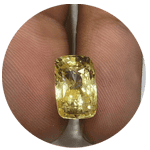
" Recently purchased a top quality 7.7 carat yellow sapphire from pmkk gems and I am extremely satisfied with quality and price of the piece. They also provided gem lab report to which erased all my doubts regarding authenticity. I strongly recommend pmkk gems name to anyone who is looking for purchasing premium quality rashi ratan. "
- Mukesh Soni

" I was afraid to shop ring online .whether it will be really genuine or not but to my surprise pmkk gems send it with a super secure packing and the built quality is awesome and finishing of the ring is outstanding.I'm really impressed! "
- ZESTY VINES

"This place has an incredible selection of gemstones—the best I’ve seen around. It definitely helps if you know what you’re looking for and have some knowledge about gems, but Harsh is great at guiding you to the right choice. I highly recommend this shop for gem shopping! It’s a little off the beaten path, but absolutely worth it. The prices are reasonable for the quality, and they even managed to set the gems I chose into a pendant and ring in less than a day."
- Mark Jamiel

" Just receive this nice imperial topaz ring from Tham and it was cost 45k. I did order it from South Africa. Overall experience was nice. Akanksha was very helpful and provide a good service. Only complaint is I think they little expensive with stone but I'm happy with it. I did receive good and clear quality stone"
- Lutfur Rahman Rana

"This place has an incredible selection of gemstones—the best I’ve seen around. It definitely helps if you know what you’re looking for and have some knowledge about gems, but Harsh is great at guiding you to the right choice. I highly recommend this shop for gem shopping! It’s a little off the beaten path, but absolutely worth it. The prices are reasonable for the quality, and they even managed to set the gems I chose into a pendant and ring in less than a day. "
- Knight Rider


Agate Stone
Amber Stone
Ametrine Stone
Amethyst Stone
Aquamarine
Aventurine
Bloodstone
Blue Moon Stone
Blue Topaz
Blue Zircon
Citrine (sunela)
Garnet
Green Tourmaline
Green Amethyst
Green Onyx
Imperial Topaz
Iolite (Kaka Neeli)
Irani Feroz
Labradorit
Larimar
Lapis (lazuli)
Lemon Topaz
Ocean Jasper
Opal stone
Peridot
Sulemani Hakik
Tanzanite Stone
Tiger Eye Stone
White Topaz
White Zircon
Yellow Fluorite
Yellow Topaz
Yellow Zircon
Rose Quartz