Currency

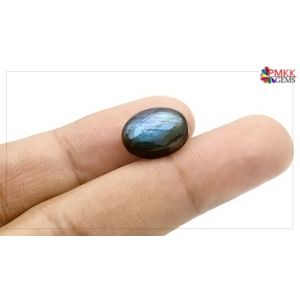
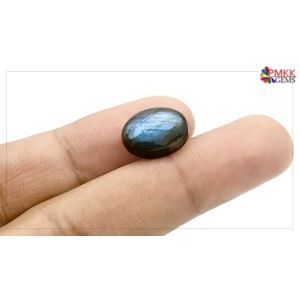
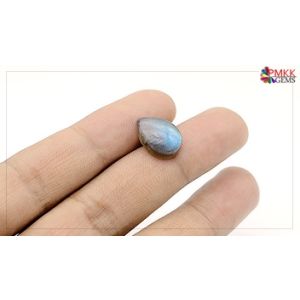
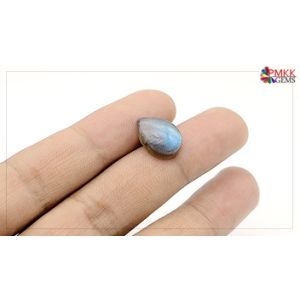
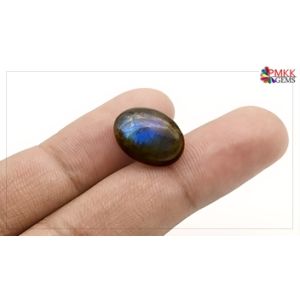
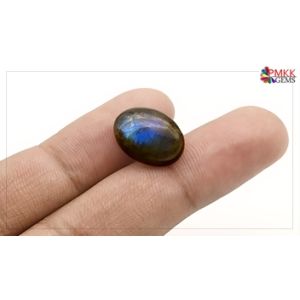
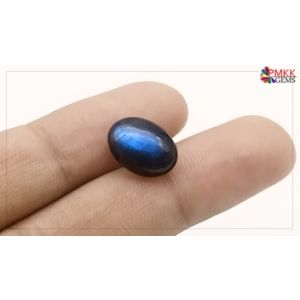
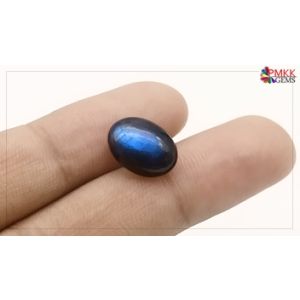
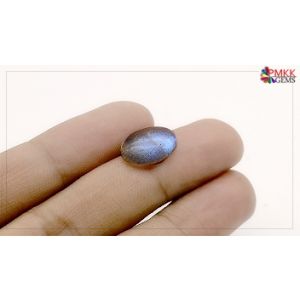
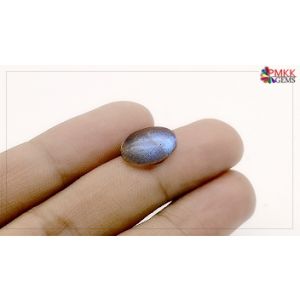
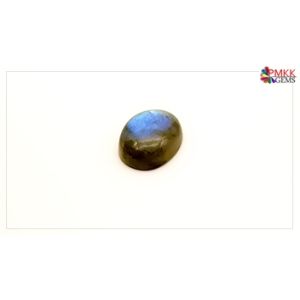
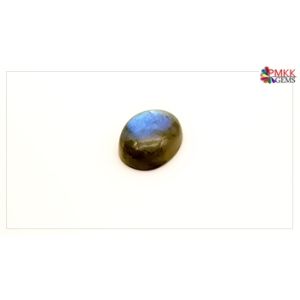
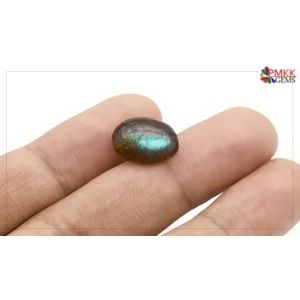
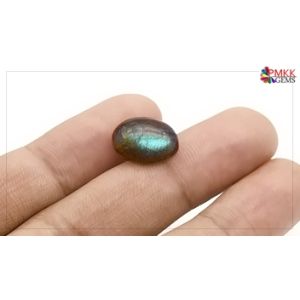
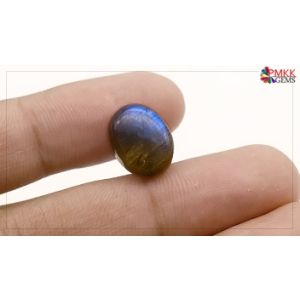
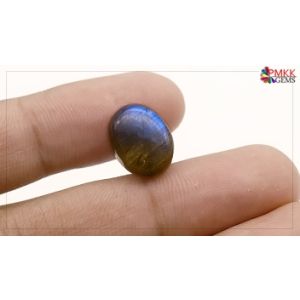
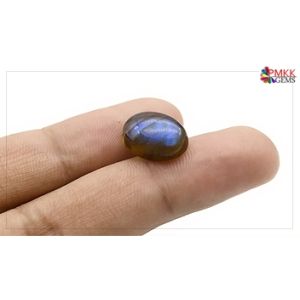
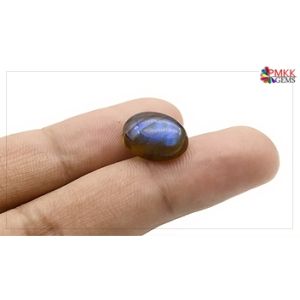
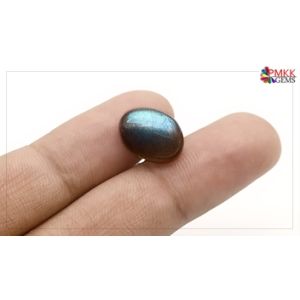
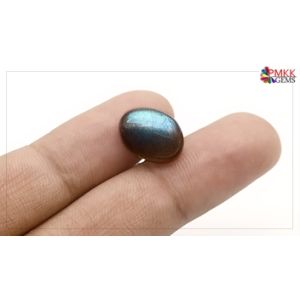
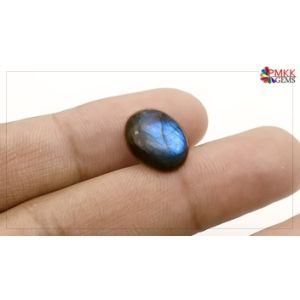
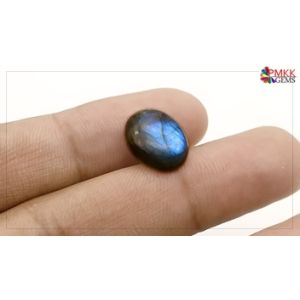
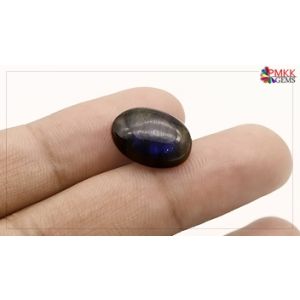
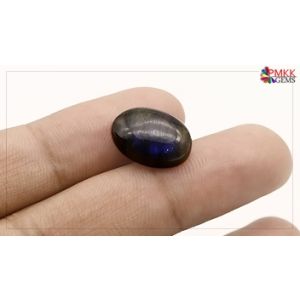
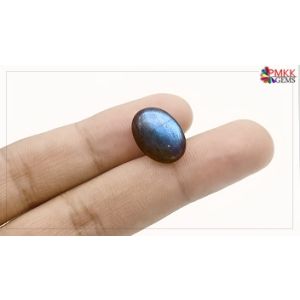
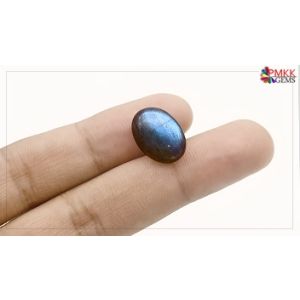
Labradorite is a stunning feldspar mineral famous for its labradorescence a metallic "flash" of blues, greens, and golds that dances across the stone when it catches the light. Historically known as the "Frozen Fire of the Aurora Borealis," it is the premier stone for aura protection, intuition, and navigating life changes. While it isn't a traditional Navratan, its powerful energy makes it a sought-after companion to stones like Blue Sapphire (Neelam) or Natural Pearl (Moti).
Labradorite
About Labradorite Gemstone
This guide explores Labradorite, the "Stone of Magic and Transformation." Known for its otherworldly glow and protective aura, it is a staple for those seeking spiritual awakening and a sophisticated addition to any modern jewelry collection in 2026.
Labradorite is a calcium-enriched feldspar mineral. What makes it a "geological celebrity" is its unique internal structure. As light enters the stone, it bounces off microscopic layers of different minerals, creating a diffraction effect called labradorescence.
Technically, Labradorite belongs to the plagioclase series. At Rashiratan Jaipur, we classify it as an "optical phenomenon" gemstone. Unlike the solid color of a Green Onyx, Labradorite is all about the dance of light.
Chemical Formula: (Ca, Na)(Al, Si)4O8
Hardness: 6 – 6.5 on the Mohs scale (requires moderate care)
Luster: Vitreous to pearly
Specific Gravity: 2.68 - 2.72Types and Origin
While the stone is found in several places, the location often dictates the intensity of the "flash."1. Spectrolite (The High-Grade Star)
Found exclusively in Finland, Spectrolite is a higher-grade variety of Labradorite. While standard Labradorite flashes mostly blue and green, Spectrolite shows the full color spectrum, including deep reds, oranges, and purples. It is rarer and more valuable.2. Rainbow Moonstone (The White Cousin)
Technically, "Rainbow Moonstone" is actually White Labradorite. It has the same chemical makeup as Labradorite but with a white or transparent body instead of gray. It exhibits a soft blue sheen rather than a dark, metallic flash.Primary Origins: Canada (Labrador) - where it was first scientifically identified; Madagascar - the source of most commercial Labradorite today with classic, electric blue flash; USA, Mexico, and Russia - other notable deposits.
Labradorite Stone Quality & Prices
The value of Labradorite is almost entirely determined by the "Labradorescence" (the flash).
The 4 Quality Factors:
1. The Flash (Schiller): The best stones have a "full face" flash. This means when you look at the stone, the entire surface lights up. Lower quality stones only have small, isolated spots of color.
2. Color Range: Electric Blue is the most common flash. Gold and Green are also common. Purple, Red, and Orange flashes are rare and command a higher price.
3. Base Clarity: A dark, translucent body (smoky gray) is preferred over a muddy, opaque rock. You want the stone to look deep, not flat.
4. The Cut: It must be cut at a precise angle to show the flash. If cut incorrectly, even a good stone will look dull gray.
Pricing Guide:
On an average, Labradorite price in India starts from INR 430 and can reach up to INR 27,800 and above. Prices in other countries like the US, UK, and UAE may vary because of the difference in supply and demand cycle.Standard Grade: Affordable stones with simple blue flashes are widely available at the lower end of this range.
Premium Grade: Stones with "Spectrolite" qualities (full spectrum color) or intricate carvings command the highest prices in the market.
Labradorite Benefits
Labradorite is often described as a "workhorse" for the spirit. Its benefits are deeply rooted in protection and psychological clarity:
Aura Shielding: Known as the "Stone of Protection," it creates a barrier against "energy vampires" and environmental stress, keeping your internal energy contained.
Enhanced Intuition: It is believed to bridge the gap between the conscious and subconscious mind, making it a favorite for psychics and creatives.
Stress Reduction: Its cooling blue flashes help quiet a racing mind, much like the soothing energy of a Natural Pearl (Moti).
Support During Change: It imparts strength and perseverance, helping the wearer navigate "transformational" periods without losing their sense of self.
Physical Support: In holistic wellness, it is used to support respiratory health and metabolism.
How and Who Should Wear Labradorite?
Labradorite is highly mystical. It works best for those who feel "sensitive" to the energy around them.
Who is this for?
The Empaths: If you feel drained by other people's emotions, Labradorite acts as a shield, preventing energy leakage from your aura.
Creatives & Writers: It sparks the imagination and brings new ideas. It's perfect for overcoming writer's block.
Those in Transition: If you are changing careers, moving houses, or ending a relationship, this "Stone of Transformation" gives you the strength to persevere.
Best Placement:
Throat Chakra (Necklace): Wearing it near the throat helps you speak your truth and communicate your intuitive insights.
Higher Heart (Long Pendant): Keeps the stone centered on your energy field to protect the aura.
Left Hand: Wear a bracelet on the left hand to receive spiritual insight and internalize the stone's magic.
Frequently Asked Questions:
Q: Why does my Labradorite look gray and dull?
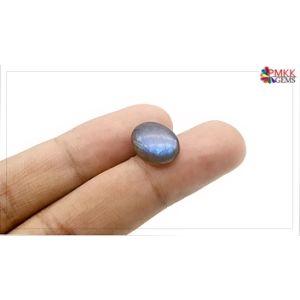
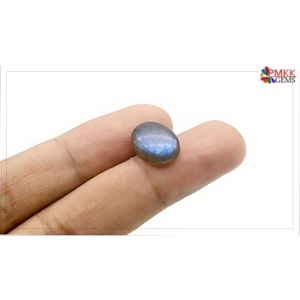
A: Labradorite is directional. It needs light to hit it at a specific angle to show its color. Try rotating the stone in the sunlight. If it never flashes, it might be a poor-quality cut or a fake.Q: Can I put Labradorite in water?
A: Yes, for short periods (like a quick rinse). However, it is a layered stone. Prolonged soaking (days) can cause the layers to separate or crack over time.Q: Does Labradorite fade in the sun?
A: Generally, no. However, like most colored stones, it's best not to leave it baking in intense, direct sunlight for weeks on end, as extreme heat can make it brittle.Q: Which Zodiac sign is Labradorite for?
A: It is not a traditional birthstone, but it is highly associated with Leo, Scorpio, and Sagittarius. These signs benefit from the stone's transformative and protective energy.Q: How do I distinguish fake Labradorite?
A: Fake Labradorite is rare because the optical effect is hard to replicate. However, some "Labradorite" is actually resin with glitter. Real Labradorite feels cold like stone and the flash comes from inside the layers, not just on the surface.

Filter
Shopping Options

Customer Reivews

"I recently purchased an emerald from PMKK gems and I couldn’t be more satisfied with my experience. The quality of the gemstone is absolutely remarkable—clear, vibrant, and flawless. It’s evident that they only deal in the finest gemstones.I highly recommend this store to anyone looking for high-quality gemstones and expertly crafted, bespoke jewellery. Highly recommended. "
- Vinesh V
" Recently purchased a top quality 7.7 carat yellow sapphire from pmkk gems and I am extremely satisfied with quality and price of the piece. They also provided gem lab report to which erased all my doubts regarding authenticity. I strongly recommend pmkk gems name to anyone who is looking for purchasing premium quality rashi ratan. "
- Mukesh Soni

" I was afraid to shop ring online .whether it will be really genuine or not but to my surprise pmkk gems send it with a super secure packing and the built quality is awesome and finishing of the ring is outstanding.I'm really impressed! "
- ZESTY VINES

"This place has an incredible selection of gemstones—the best I’ve seen around. It definitely helps if you know what you’re looking for and have some knowledge about gems, but Harsh is great at guiding you to the right choice. I highly recommend this shop for gem shopping! It’s a little off the beaten path, but absolutely worth it. The prices are reasonable for the quality, and they even managed to set the gems I chose into a pendant and ring in less than a day."
- Mark Jamiel

" Just receive this nice imperial topaz ring from Tham and it was cost 45k. I did order it from South Africa. Overall experience was nice. Akanksha was very helpful and provide a good service. Only complaint is I think they little expensive with stone but I'm happy with it. I did receive good and clear quality stone"
- Lutfur Rahman Rana

"This place has an incredible selection of gemstones—the best I’ve seen around. It definitely helps if you know what you’re looking for and have some knowledge about gems, but Harsh is great at guiding you to the right choice. I highly recommend this shop for gem shopping! It’s a little off the beaten path, but absolutely worth it. The prices are reasonable for the quality, and they even managed to set the gems I chose into a pendant and ring in less than a day. "
- Knight Rider


Agate Stone
Amber Stone
Ametrine Stone
Amethyst Stone
Aquamarine
Aventurine
Bloodstone
Blue Moon Stone
Blue Topaz
Blue Zircon
Citrine (sunela)
Garnet
Green Tourmaline
Green Amethyst
Green Onyx
Imperial Topaz
Iolite (Kaka Neeli)
Irani Feroz
Labradorit
Larimar
Lapis (lazuli)
Lemon Topaz
Ocean Jasper
Opal stone
Peridot
Sulemani Hakik
Tanzanite Stone
Tiger Eye Stone
White Topaz
White Zircon
Yellow Fluorite
Yellow Topaz
Yellow Zircon
Rose Quartz