Currency

Spinel
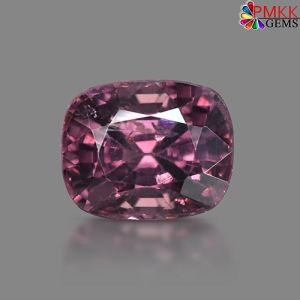
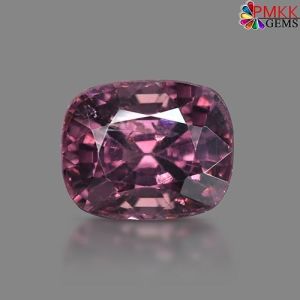
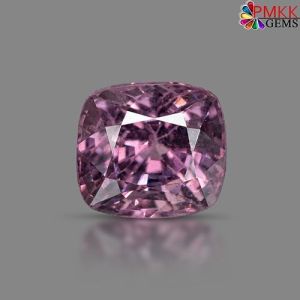
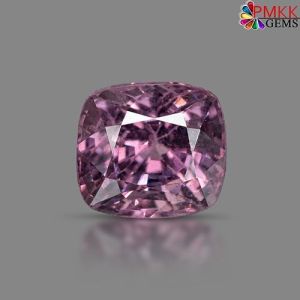
Spinel Stone
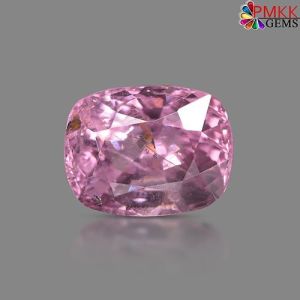
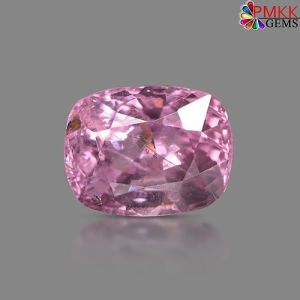
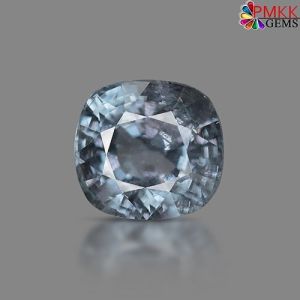
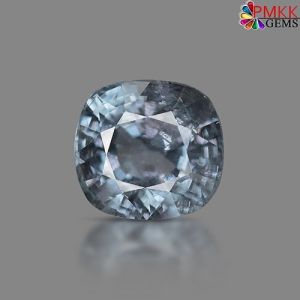
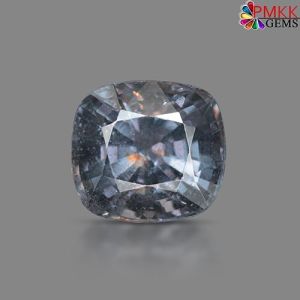
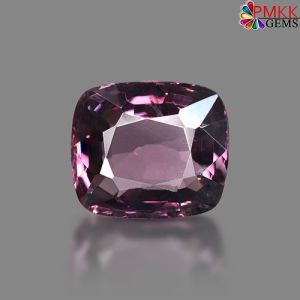
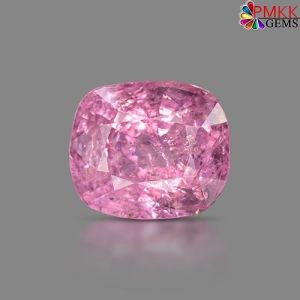
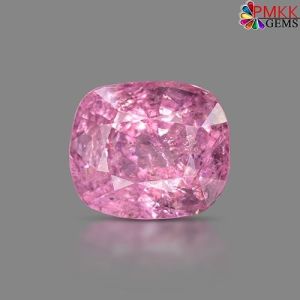
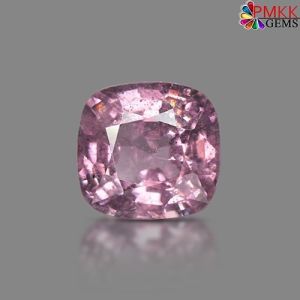
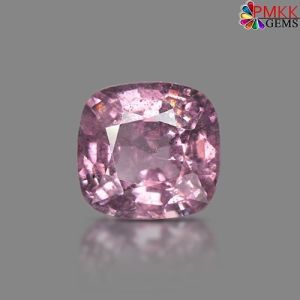
Spinel, is undeniably a vibrant gemstone, and one of the best substitutes of ruby stone, has captivated jewelry enthusiasts with its brilliance and versatility. Found in colors ranging from vivid red to deep blue, soft pink, and even black, spinel is often mistaken for more expensive gems like ruby or sapphire due to its similar appearance. Composed of magnesium aluminum oxide, it ranks 7.5–8 on the Mohs scale, making it durable for everyday wear.
Historically, spinel adorned royal crowns and treasures, often unrecognized until modern gemology distinguished it. Mined in regions like Myanmar, Sri Lanka, and Tanzania, red spinel is particularly prized for its rarity and rich hue. Its affordability compared to ruby, along with its natural sparkle, makes it a popular choice for rings, necklaces, and earrings. Spinel’s allure lies in its vivid colors, durability, and accessibility, making it a timeless gem for modern and classic jewelry designs.
Spinel Origin
Spinel is a captivating gemstone known for its brilliance, wide range of colors, and remarkable durability. Often overshadowed historically by more famous gems like rubies and sapphires, spinel has a fascinating origin that spans geology, history, and even royal intrigue.
Spinel (chemical formula: MgAl₂O₄) is a magnesium aluminum oxide mineral that forms in high-temperature environments, typically in metamorphic and igneous rocks. It crystallizes in the cubic crystal system and is often found in the form of octahedral crystals.
Spinel is found in several locations around the world, with some regions historically renowned for producing exceptional specimens:
Myanmar (Burma): The Mogok region of Myanmar has been the most famous source of fine spinel for centuries. Known as the "Valley of Gems," Mogok has yielded some of the world’s most celebrated red and pink spinels, often mistaken for rubies in ancient times. The legendary "Black Prince’s Ruby" in the British Imperial State Crown is actually a large red spinel.
Tanzania and Kenya: In East Africa, particularly in the Umba River valley and Mahenge region, spinel is mined in a variety of colors, including vibrant blues, purples, and bright pinks. These deposits have become increasingly important in the modern gem trade.
Sri Lanka: Known for its rich gem gravels, Sri Lanka produces a wide range of colored spinels, often found alongside sapphires and other precious stones.
Vietnam and Tajikistan: These regions have also produced notable spinel, with Vietnamese spinels gaining attention for their vivid red and pink hues.
Madagascar, Afghanistan, and Pakistan: More recent discoveries in these countries have expanded the availability of spinel, contributing to its growing popularity.
Spinel Stone Physical Properties
Here’s a clear tabular representation of the physical properties of Spinel stone:
|
Property |
Description |
|
Mineral Class |
Oxide mineral |
|
Chemical Formula |
MgAl₂O₄ (Magnesium Aluminum Oxide) |
|
Crystal System |
Isometric (Cubic) |
|
Color |
Red, pink, blue, violet, purple, black, green, brown, colorless (wide range) |
|
Transparency |
Transparent to opaque |
|
Luster |
Vitreous (glassy) |
|
Streak |
White |
|
Hardness (Mohs scale) |
7.5 – 8 |
|
Specific Gravity |
3.58 – 4.06 |
|
Fracture |
Conchoidal to uneven |
|
Cleavage |
None |
|
Tenacity |
Brittle |
|
Refractive Index |
1.718 |
|
Birefringence |
None (isotropic) |
|
Pleochroism |
Absent (single refractive) |
|
Typical Structure |
Well-formed octahedral crystals |
Spinel Stone Price
Color: The most coveted variety, particularly "flame spinel" with its pure, intense red color, can rival ruby in both beauty and price. Burmese red spinels, especially those from Mogok, represent the pinnacle of spinel pricing, often fetching $3,000 to $8,000 per carat for high-quality specimens.
Clarity: Spinel's clarity significantly impacts its market value, with eye-clean stones commanding premium prices.Spinels with no visible inclusions to the naked eye are most valuable, particularly in red and pink varieties where clarity enhances the stone's brilliance and color saturation.
Carat Weight: Spinel pricing follows a non-linear progression with carat weight, reflecting the rarity of larger specimens.Under 1 Carat: Most spinels fall into this category, with prices varying primarily based on color and quality rather than size premiums.
1-3 Carats: This size range often represents the sweet spot for collectors and jewelry designers, with moderate size premiums applied.
Treatment: Natural, Untreated Spinels Command the highest prices, as spinel is rarely treated compared to other gemstones. The natural status is a significant selling point in the current market.
Spinel Stone Benefits
General Benefits: Spinel is highly regarded as a stone of revitalization and renewal. It is believed to actively combat feelings of lethargy and fatigue, helping to restore one's natural energy levels and passion for life.
Emotional Benefits: On an emotional level, spinel is celebrated for its ability to bring profound balance and harmony. It is often called a stone of hope, as it helps to dissolve feelings of anxiety, overwhelm, and emotional exhaustion.
Spiritual Benefits: Beyond the physical and emotional, spinel is a powerful stone for spiritual exploration and connection. It is known to enhance meditation by quieting mental chatter and facilitating a deeper state of focus and tranquility.
Protection Against Negative EnergySpinel has long been associated with protection and nobility. It was often mistaken for ruby and adorned the crowns and jewels of royalty, earning it the nickname "the great impostor." This heritage contributes to its metaphysical property of shielding the wearer from negative energies and psychic attacks.
How To Wear Spinel Stone
Spinel can be worn as jewelry, such as rings, necklaces, earrings, or bracelets, to showcase its vibrant colors like red, blue, or pink. Set in gold, silver, or platinum for elegance, it suits both daily and formal wear due to its 7.5–8 Mohs hardness. Wear spinel close to the skin, ideally on the right hand or as a pendant, to maximize its aesthetic appeal and rumored metaphysical benefits, like boostingenergy and confidence.
Who Can Wear Spinel
Spinel is suitable for anyone drawn to its vivid hues and durability, regardless of age or gender. It’s ideal for those seeking affordable alternatives to ruby or sapphire. Astrologically, it’s often recommended for individuals born under Libra or Taurus, or those seeking vitality and clarity. However, anyone can wear spinel for its beauty and versatility, especially in jewelry for daily wear or special occasions. Always choose based on personal style and comfort.
Frequently Asked Questions:
Is spinel a real gem?
Yes, Spinel is a natural gemstone and a recognized mineral (MgAl₂O₄), valued in jewelry.
Is spinel an expensive stone?
It can be. Fine red, cobalt-blue, and vivid pink spinels can be quite expensive, though many spinels are more affordable than rubies or sapphires.
Is a spinel a ruby?
No. Spinel and ruby look similar, especially red spinel, but they are different minerals. Ruby is corundum (Al₂O₃), while spinel is magnesium aluminum oxide (MgAl₂O₄).
Who can wear spinel stone?
Spinel is believed to suit those seeking vitality, clarity, and inspiration. Traditionally, it is said to bring energy and success, and can be worn by anyone regardless of zodiac.
What zodiac is spinel?
Spinel is often associated with Sagittarius and Leo, though modern crystal healers may link it to multiple signs depending on its color.
Can spinel be worn daily?
Yes. With a hardness of 7.5–8 on the Mohs scale, spinel is durable enough for daily wear in rings, pendants, and other jewelry.

Filter
Shopping Options

Customer Reivews

"I recently purchased an emerald from PMKK gems and I couldn’t be more satisfied with my experience. The quality of the gemstone is absolutely remarkable—clear, vibrant, and flawless. It’s evident that they only deal in the finest gemstones.I highly recommend this store to anyone looking for high-quality gemstones and expertly crafted, bespoke jewellery. Highly recommended. "
- Vinesh V
" Recently purchased a top quality 7.7 carat yellow sapphire from pmkk gems and I am extremely satisfied with quality and price of the piece. They also provided gem lab report to which erased all my doubts regarding authenticity. I strongly recommend pmkk gems name to anyone who is looking for purchasing premium quality rashi ratan. "
- Mukesh Soni

" I was afraid to shop ring online .whether it will be really genuine or not but to my surprise pmkk gems send it with a super secure packing and the built quality is awesome and finishing of the ring is outstanding.I'm really impressed! "
- ZESTY VINES

"This place has an incredible selection of gemstones—the best I’ve seen around. It definitely helps if you know what you’re looking for and have some knowledge about gems, but Harsh is great at guiding you to the right choice. I highly recommend this shop for gem shopping! It’s a little off the beaten path, but absolutely worth it. The prices are reasonable for the quality, and they even managed to set the gems I chose into a pendant and ring in less than a day."
- Mark Jamiel

" Just receive this nice imperial topaz ring from Tham and it was cost 45k. I did order it from South Africa. Overall experience was nice. Akanksha was very helpful and provide a good service. Only complaint is I think they little expensive with stone but I'm happy with it. I did receive good and clear quality stone"
- Lutfur Rahman Rana

"This place has an incredible selection of gemstones—the best I’ve seen around. It definitely helps if you know what you’re looking for and have some knowledge about gems, but Harsh is great at guiding you to the right choice. I highly recommend this shop for gem shopping! It’s a little off the beaten path, but absolutely worth it. The prices are reasonable for the quality, and they even managed to set the gems I chose into a pendant and ring in less than a day. "
- Knight Rider


Agate Stone
Amber Stone
Ametrine Stone
Amethyst Stone
Aquamarine
Aventurine
Bloodstone
Blue Moon Stone
Blue Topaz
Blue Zircon
Citrine (sunela)
Garnet
Green Tourmaline
Green Amethyst
Green Onyx
Imperial Topaz
Iolite (Kaka Neeli)
Irani Feroz
Labradorit
Larimar
Lapis (lazuli)
Lemon Topaz
Ocean Jasper
Opal stone
Peridot
Sulemani Hakik
Tanzanite Stone
Tiger Eye Stone
White Topaz
White Zircon
Yellow Fluorite
Yellow Topaz
Yellow Zircon
Rose Quartz