Blue Topaz
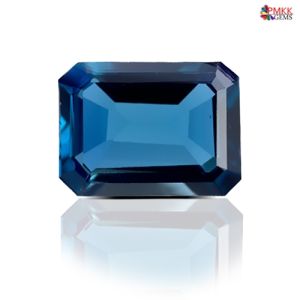
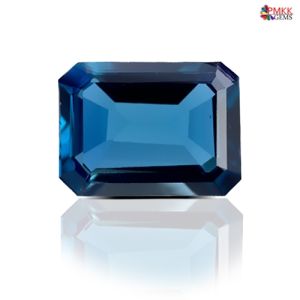
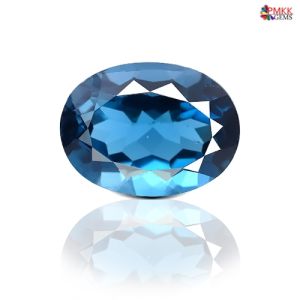
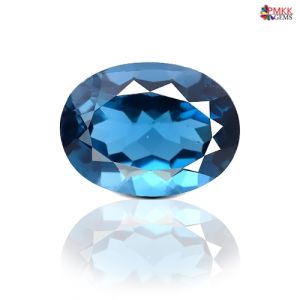
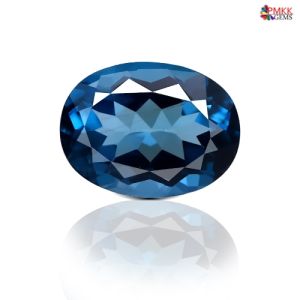
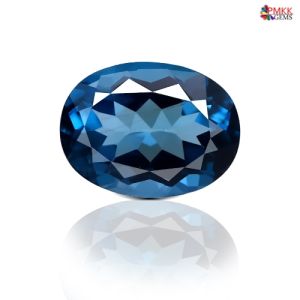
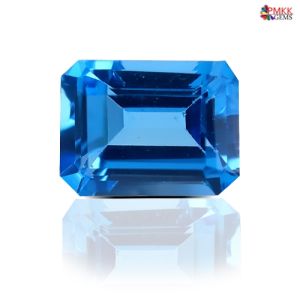
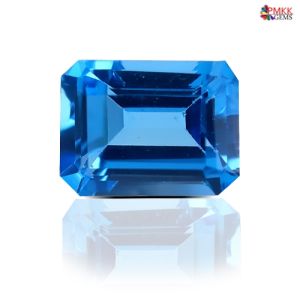
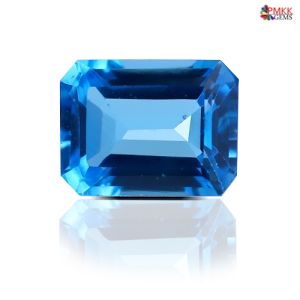
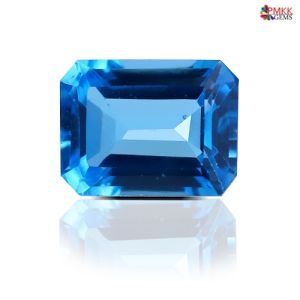
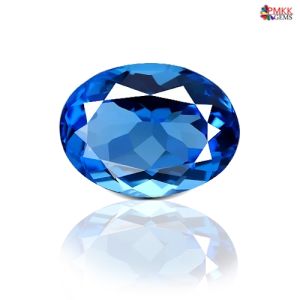
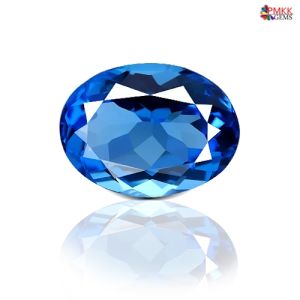
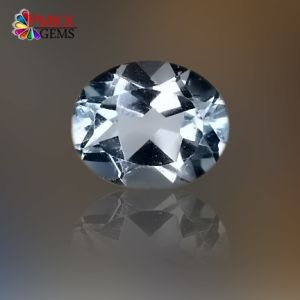
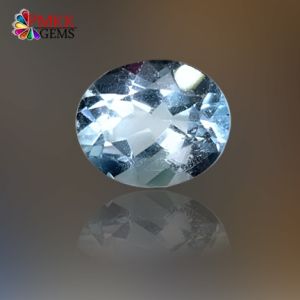
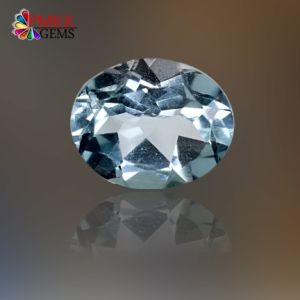
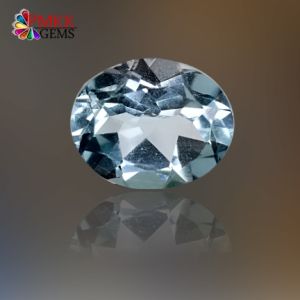
Blue topaz, strongly considered as one of the best substitutes for Neelam gemstone, is a faceted, transparent, and light to lush blue semi-precious gemstone that belongs to the topaz mineral family. With the chemical formula Al₂SiO₄(F,OH)₂, Blue topaz gemstone exemplifies silicate minerals and grabs a lot of attention for showcasing different striking hues of blue color.
In the realm of Vedic astrology, Blue topaz is often regarded as the ideal substitute for blue sapphire gemstone as it is affordable and offers similar astrological benefits similar to Neelam ratna. The implication of dark blue topaz stone in the realm of luxury and artificial jewelry is humongous. Some of the most popular varieties of light blue topaz are London blue topaz, swiss blue topaz, and pale sky blue topaz. The most revered and sought after type of blue topaz stones are those that exhibit light blue hues with excellent transparency.
|
Blue Topaz Hardness
|
8 (Mohs Scale))
|
|
Blue Topaz Refractive Index
|
1.619 - 1.638
|
|
Blue Topaz Density
|
3.5 - 3.6
|
|
Diaphaneity
|
Transparent
|
|
Blue Topaz Chemical Formula
|
Al 2 SiO 4 (F, OH) 2 .
|
Blue Topaz Price
Color: The most significant factor influencing the price of blue topaz is its color. Blue topaz comes in three primary shades. The intensity of the blue hue directly impacts the value. More saturated colors are generally more desirable and costly. That's why London Blue topaz is the most expensive and rarest variety of blue topaz stone.
Color tone also plays a crucial roleThe tone refers to how light or dark the blue is. Medium to slightly dark tones are preferred over very pale or overly dark stones.
Clarity: Clarity plays one of the most vital roles in determining the gemstone's quality and price. High-quality blue topaz should be transparent, allowing light to pass through easily. Cloudy or opaque stones are less valuable.
Cut: The cut of a blue topaz significantly affects its brilliance, sparkle, and overall appearance. A well-executed cut enhances the stone's natural beauty and maximizes its visual impact. Blue topaz is available in various shapes, including round, oval, cushion, emerald, pear, and princess cuts. Round and oval cuts are among the most popular due to their ability to showcase the stone's color and brilliance.
Carat Weight: The size of the blue topaz, measured in carats, influences its price. Larger stones are rarer and therefore more expensive. However, since blue topaz is relatively abundant, the price per carat does not increase exponentially as it does with rarer gemstones like diamonds or sapphires.
Smaller stones (under 5 carats) are more common and affordable, while larger stones (over 10 carats) command higher prices. the price per carat of blue topaz decreases slightly for exceptionally large stones because blue topaz remains widely available even in bigger sizes.
Treatment and Enhancement: Almost all blue topaz on the market undergoes heat and irradiation treatments to achieve its characteristic blue color. Natural, untreated blue topaz is extremely rare and usually colorless or pale blue.Untreated stones, if available, would be significantly more valuable but are exceedingly rare.
Origin: Although blue topaz is found worldwide, its geographic origin rarely impacts its price. Major sources include Brazil, Sri Lanka, Nigeria, and Mexico. Unlike rubies or emeralds, which derive part of their value from prestigious origins, blue topaz is valued primarily based on its physical characteristics rather than its source.
Blue Topaz Benefits
For a long time, light blue topaz has been associated with various metaphysical properties and potential benefits for the wearer. While scientific evidence is limited, many believe that adorning themselves with blue topaz can positively influence their emotional, mental, and even physical well-being. Have a look at some of the purported benefits of wearing blue topaz
Promotes Calmness and Relaxation: Blue is universally associated with tranquility and peace. Blue topaz is believed to have a soothing energy that can help calm the mind, reduce anxiety, and alleviate stress. Wearing it may encourage a sense of inner peace and serenity, making it beneficial for those prone to worry or agitation.
Stimulates Creativity and Inspiration: Some believe that the calming yet vibrant energy of blue topaz can open the mind to new ideas and enhance creativity. It may help in overcoming mental blocks and fostering a more imaginative and innovative approach to life.
Aids in Emotional Healing: Blue topaz is thought to help in processing and releasing negative emotions like anger, fear, and sadness. Its gentle energy can provide comfort and support during times of emotional distress, promoting healing and emotional balance.
Connects to Higher Consciousness: In some spiritual practices, blue topaz is associated with connecting to higher realms and promoting spiritual growth. It is believed to enhance intuition and facilitate a deeper understanding of oneself and the universe.
Attracts Good Fortune and Abundance: Historically, topaz in general has been associated with attracting wealth and good fortune. Blue topaz, specifically, is sometimes believed to bring opportunities and positive circumstances into the wearer's life.
How To Wear Blue Topaz Stone
Blue topaz is a versatile and durable gemstone (Mohs hardness 8), making it suitable for various jewelry styles. Here’s how to wear it effectively:
Rings: Ideal for daily wear or statement pieces; pair with silver or white gold to enhance its cool tones.
Necklaces: A blue topaz pendant adds elegance, especially with a simple chain or layered look.
Earrings: Studs or dangling designs highlight its clarity and sparkle, complementing both casual and formal outfits.
Bracelets: Set in tennis bracelets or charms, it adds a pop of color to wristwear.
Care Tips: Avoid prolonged sun exposure (to prevent fading in treated stones) and clean with mild soap and water, not harsh chemicals.
Style it with neutral or contrasting colors like white, navy, or yellow for a striking effect.
Who Can Wear Blue Topaz Gemstone
Blue topaz is universally wearable, with no strict restrictions, but certain groups may feel a special connection:
December Birthdays: It’s a birthstone for December, symbolizing peace and clarity.
Astrological Links: In Vedic astrology, it’s associated with Sagittarius and sometimes recommended for Libra or Scorpio to enhance communication and calmness.
Anyone Seeking Balance: Gemstone enthusiasts believe it promotes emotional stability and creativity, making it ideal for artists, writers, or those under stress.
Fashion Lovers: Its vibrant blue suits all skin tones and complements diverse wardrobes.
Anyone can wear blue topaz for its beauty or perceived benefits, regardless of age, gender, or zodiac sign—just choose a shade (Sky, Swiss, or London Blue) that resonates with your style!
Frequently Asked Questions:
Is a blue topaz valuable?
Blue Topaz is moderately valuable. While not as expensive as sapphires, its clarity, size, and vibrant color make it popular and affordable.
Which Rashi is blue topaz for?
Blue Topaz is often associated with Sagittarius (धनु राशि) and Pisces (मीन राशि) as a substitute for Blue Sapphire (Neelam).
Who cannot wear blue topaz?
People with a weak or afflicted Saturn (Shani) in their horoscope, or those for whom Saturn is a malefic planet, should avoid wearing Blue Topaz without astrological consultation.
What birth month is blue topaz?
Blue Topaz is the birthstone for December.
Does Blue Topaz Lose Its Color?
Natural Blue Topaz is stable but can fade over time if exposed to excessive heat or sunlight.
Can I Wear Blue Topaz in Gold?
Yes, Blue Topaz can be worn in gold, silver, or panchdhatu, depending on astrological advice.
Is Blue Topaz the astrological substitute for Blue Sapphire?
Yes, Blue Topaz is considered a semi-precious substitute for Blue Sapphire (Neelam), especially for those who cannot wear the latter due to its strong effects.
Blue Topaz Origin
Original blue Topaz is a simple silicate mineral composed of aluminum, fluorine, and hydroxyl groups (chemical formula: Al₂SiO₄(F,OH)₂). Natural dark blue topaz primarily forms in igneous rocks, particularly in pegmatites and high-temperature quartz veins associated with granite. Natural blue topaz, though rare, occurs when trace impurities or defects in the crystal structure interact with natural radiation over millions of years, producing its characteristic blue color. These geological conditions are found only in specific regions around the world. Below we have listed primary sources of natural blue topaz where it occurs in abundance:
Brazil: The leading producer of the finest quality blue topaz stone. In Brazil, top quality particularly blue topaz comes from Minas Gerais where high-quality crystals are mined in large quantity.
Russia: The Ural Mountains have historically yielded blue topaz, though in smaller quantities.
United States: Texas, designated blue topaz as its state gemstone in 1969, with deposits found in Mason County.
Other Locations: Small amounts of dark blue topaz stones are also found in Sri Lanka, Pakistan, Nigeria, and Madagascar. Natural blue topaz is typically pale in color and vivid blue shades are exceptionally rare ro find which leads us to the role of human intervention in its modern origin.
Types of Blue Topaz
Sky Blue Topaz
Color: Soft, pastel blue reminiscent of a clear sky.
Treatment: Light irradiation.
Characteristics: The lightest and most subtle, popular in delicate jewelry like pendants and earrings. Affordable and widely available.
Swiss Blue Topaz
Color: Vivid, medium azure with a neon-like intensity.
Treatment: Moderate irradiation.
Characteristics: Named for its association with Swiss watches, this bold hue is a favorite in statement rings and necklaces. Offers a balance between subtlety and drama.
London Blue Topaz
Color: Deep, steely blue with green or gray undertones, evoking twilight depths.
Treatment: Heavy irradiation and prolonged heating.
Characteristics: The darkest and most luxurious, often used in high-end jewelry. Its rich color commands higher prices.