Currency

Moldavite Stone
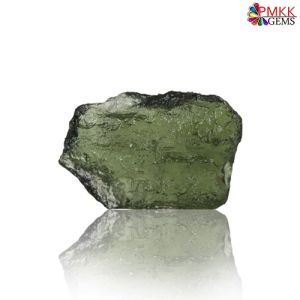
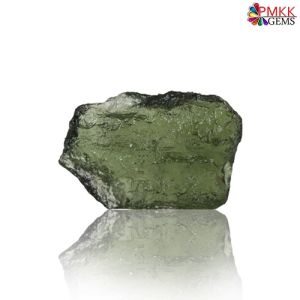
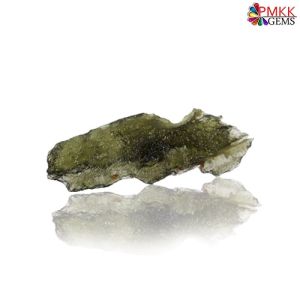
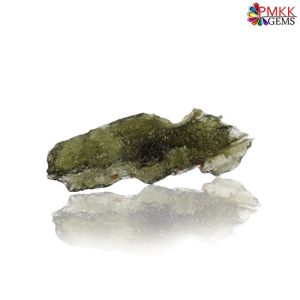
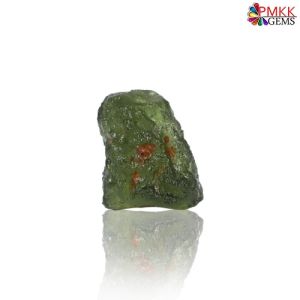
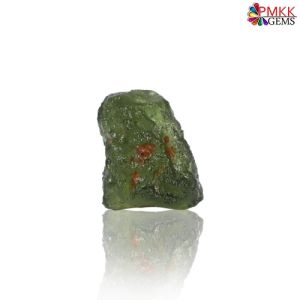
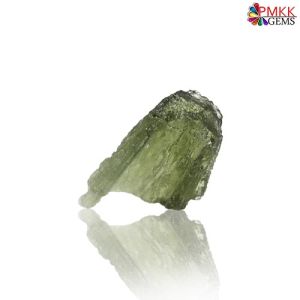
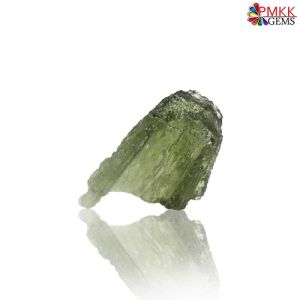
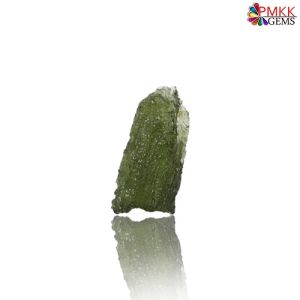
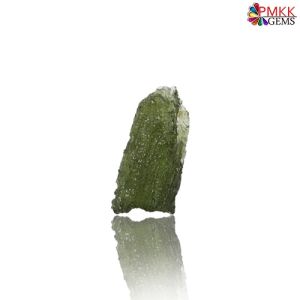
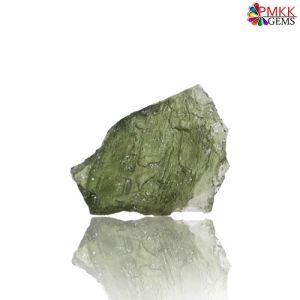
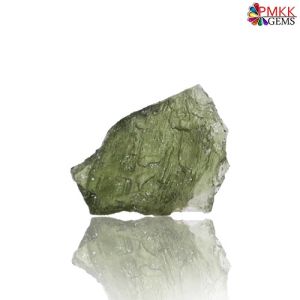
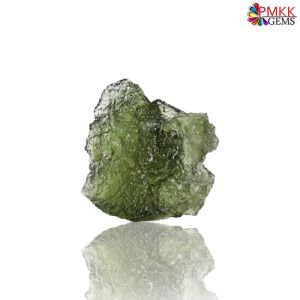
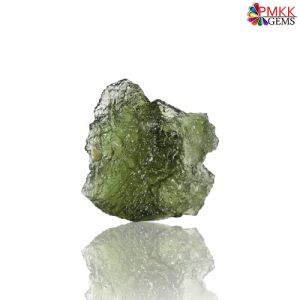
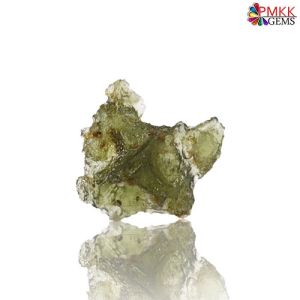
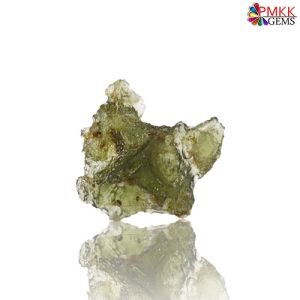
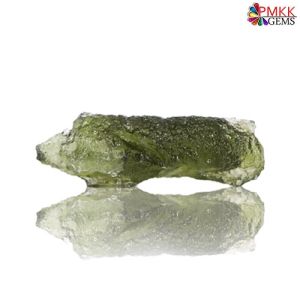
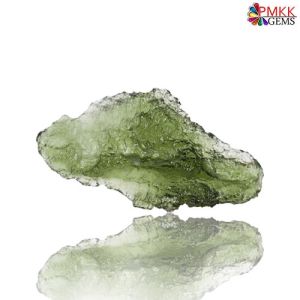
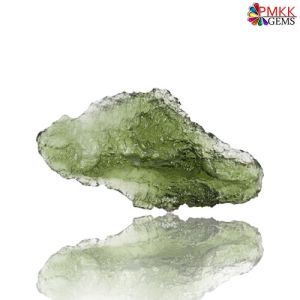
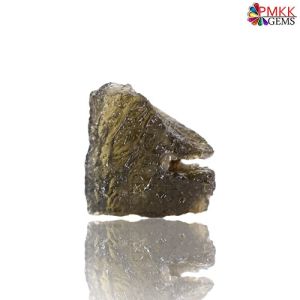
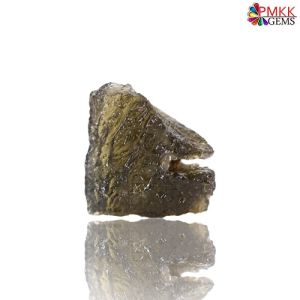
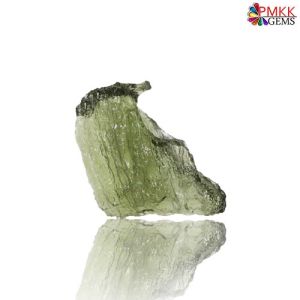
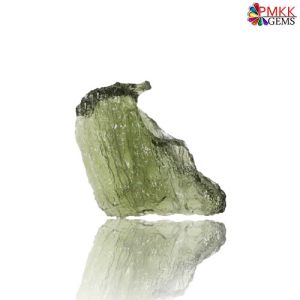
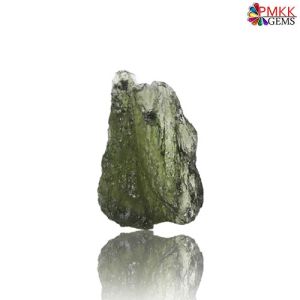
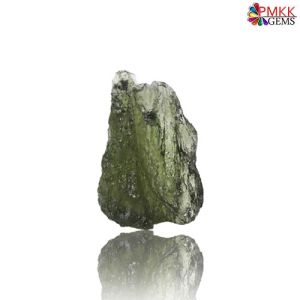
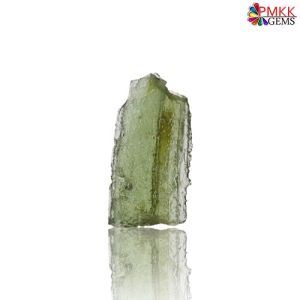
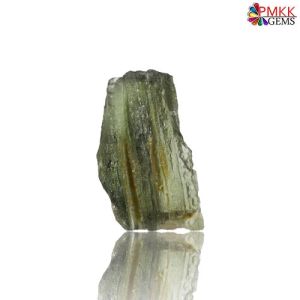
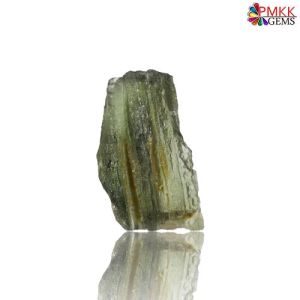
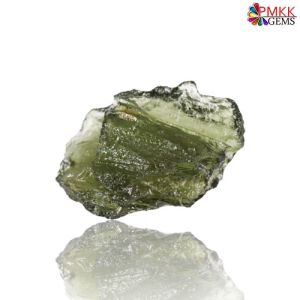
Moldavite, a silica-rich glass (SiO₂ with Al₂O₃ and other oxides), is a tektite formed from a meteorite impact 15 million years ago in southern area of Germany. The collision’s extreme heat and pressure fused terrestrial material into this olive-green to bottle-green stone, with a composition distinct from volcanic glasses like obsidian. Its amorphous structure lacks a crystalline lattice, giving it a unique, pitted surface texture from natural etching. Moldavite ranks 5.5–6 on the Mohs scale, making it less durable than crystalline gems, prone to scratches, and requiring careful handling in jewelry settings.Its translucent to transparent nature, with a refractive index of 1.48–1.54, produces a subdued, glassy luster. Swirling, bubble-like inclusions and lechatelierite (fused quartz) are common, adding to its otherworldly aesthetic.
Moldavite’s green hue, caused by iron content, ranges from pale to deep forest tones, with rare pieces showing brownish tints. No treatments enhance its color; authenticity is key, as fakes (often green glass) flood the market. Found primarily in the Czech Republic’s Bohemian region, moldavite’s limited supply drives its value, especially for larger pieces (over 10 grams). Specimens are graded by shape—droplet, disc, or irregular—and surface quality. Its metaphysical reputation as a “stone of transformation” boosts demand, but scientifically, it’s prized for studying impact events. Clean gently with water; avoid ultrasonics. Moldavite’s raw, cosmic origin and scarcity make it a collector’s gem.
Moldavite Stone PriceMoldavite, rapdily has become a sought-after gem for collectors and spiritual enthusiasts alike—driving demand and shaping its unique market value. Authentic Moldavite prices vary widely, influenced by factors like color, texture, clarity, and origin. The most valuable pieces display a deep forest to emerald green hue with natural, sculptural surface patterns (known as "lechatelierite inclusions") formed during its cosmic journey. Stones with high translucency and minimal bubbles or cracks are especially prized.
Since genuine Moldavite is found only in the Czech Republic, provenance plays a major role in pricing—certified, ethically sourced material from reputable suppliers commands higher premiums. Weight also affects cost, with larger, museum-grade specimens being extremely rare and exponentially more expensive. Due to rampant imitations and glass fakes, authenticity verification through trusted labs or documentation significantly boosts value.
In recent years, rising interest in metaphysical crystals has further increased demand, making high-quality Moldavite a premium-priced gem despite its relatively modest size. Whether you're drawn to its extraterrestrial origins or its energetic reputation, investing in verified, top-grade Moldavite ensures you’re getting a truly out-of-this-world piece with lasting worth.
Moldavite

Filter
Shopping Options


Customer Reivews

"I recently purchased an emerald from PMKK gems and I couldn’t be more satisfied with my experience. The quality of the gemstone is absolutely remarkable—clear, vibrant, and flawless. It’s evident that they only deal in the finest gemstones.I highly recommend this store to anyone looking for high-quality gemstones and expertly crafted, bespoke jewellery. Highly recommended. "
- Vinesh V
" Recently purchased a top quality 7.7 carat yellow sapphire from pmkk gems and I am extremely satisfied with quality and price of the piece. They also provided gem lab report to which erased all my doubts regarding authenticity. I strongly recommend pmkk gems name to anyone who is looking for purchasing premium quality rashi ratan. "
- Mukesh Soni

" I was afraid to shop ring online .whether it will be really genuine or not but to my surprise pmkk gems send it with a super secure packing and the built quality is awesome and finishing of the ring is outstanding.I'm really impressed! "
- ZESTY VINES

"This place has an incredible selection of gemstones—the best I’ve seen around. It definitely helps if you know what you’re looking for and have some knowledge about gems, but Harsh is great at guiding you to the right choice. I highly recommend this shop for gem shopping! It’s a little off the beaten path, but absolutely worth it. The prices are reasonable for the quality, and they even managed to set the gems I chose into a pendant and ring in less than a day."
- Mark Jamiel

" Just receive this nice imperial topaz ring from Tham and it was cost 45k. I did order it from South Africa. Overall experience was nice. Akanksha was very helpful and provide a good service. Only complaint is I think they little expensive with stone but I'm happy with it. I did receive good and clear quality stone"
- Lutfur Rahman Rana

"This place has an incredible selection of gemstones—the best I’ve seen around. It definitely helps if you know what you’re looking for and have some knowledge about gems, but Harsh is great at guiding you to the right choice. I highly recommend this shop for gem shopping! It’s a little off the beaten path, but absolutely worth it. The prices are reasonable for the quality, and they even managed to set the gems I chose into a pendant and ring in less than a day. "
- Knight Rider


Agate Stone
Amber Stone
Ametrine Stone
Amethyst Stone
Aquamarine
Aventurine
Bloodstone
Blue Moon Stone
Blue Topaz
Blue Zircon
Citrine (sunela)
Garnet
Green Tourmaline
Green Amethyst
Green Onyx
Imperial Topaz
Iolite (Kaka Neeli)
Irani Feroz
Labradorit
Larimar
Lapis (lazuli)
Lemon Topaz
Ocean Jasper
Opal stone
Peridot
Sulemani Hakik
Tanzanite Stone
Tiger Eye Stone
White Topaz
White Zircon
Yellow Fluorite
Yellow Topaz
Yellow Zircon
Rose Quartz