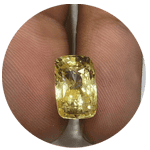
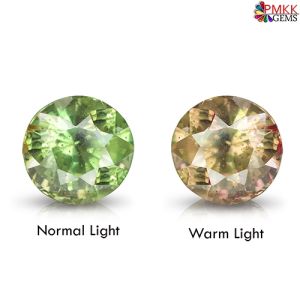

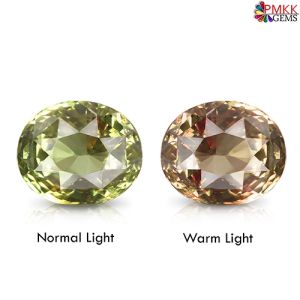
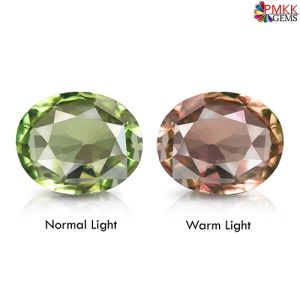
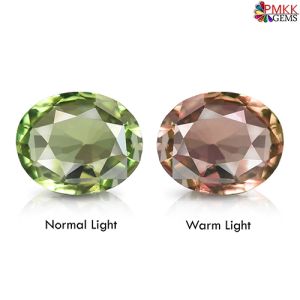

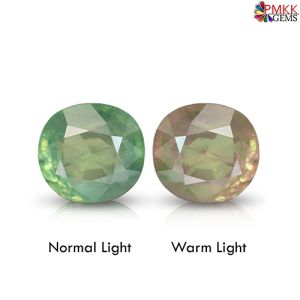

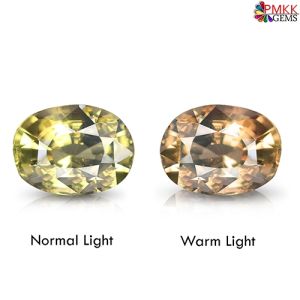
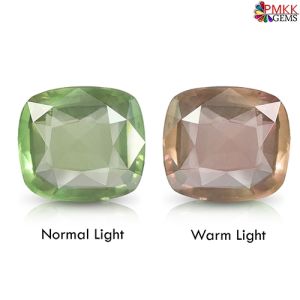
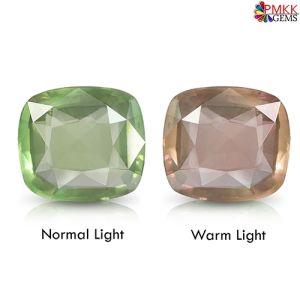
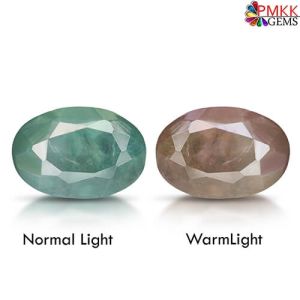

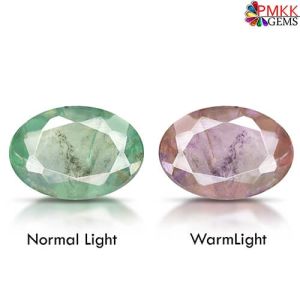


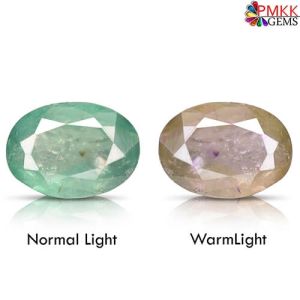

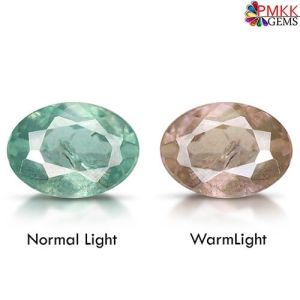


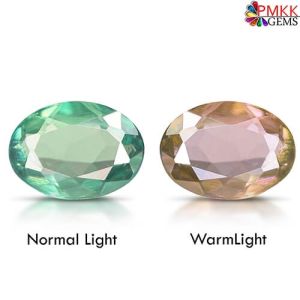


Natural Alexandrite Stone
Alexandrite, also regarded and renowned as one of the most enchanting color-changing stones, is one of the rarest gemstones in existence and has roots belonging to the chyrosberyl gemstone family. Chrysoberyl Gemstones like Alexandrite belong to Chrysoberyl is an aluminate of Beryllium with the general chemical composition BeAl2O4.
Original Alexandrite stone is the official birthstone of the June month and is primarily worn by Cancer Zodiac signs along with Leo and Gemini. Alexandrite is enormously used in healing practices and spiritual meditation. It is supposed to cleanse heart and throat chakra.
Alexandrite Stone Origin
Alexandrite was first discovered in the early 19th century in the Ural Mountains of Russia, specifically in the emerald mines near the Tokovaya River in the region of Ekaterinburg. The discovery is credited to Finnish mineralogist Nils Gustaf Nordenskiöld, who identified the stone in 1834.
While Russia was the original and most famous source of alexandrite, deposits have since been found in other parts of the world. Below is an overview of the key regions where alexandrite is mined:
Russia (Ural Mountains):: The Ural Mountains remain the historical benchmark for alexandrite quality. Russian alexandrite is prized for its strong color change, vivid green-to-red hues, and exceptional clarity.
By the late 19th century, the Russian mines were largely depleted, making high-quality Russian alexandrite exceedingly rare and valuable today. Most Russian alexandrite in the market is from old collections or secondary sources.
Sri Lanka: Sri Lanka emerged as a significant source of alexandrite in the 20th century. The gem is found in alluvial deposits, often alongside other gemstones like sapphires and rubies.
Sri Lankan alexandrite tends to exhibit a slightly different color change, often shifting from greenish-blue to purplish-red, and may have more inclusions than Russian stones.
Brazil: In the 1980s, significant alexandrite deposits were discovered in Minas Gerais, Brazil, particularly in the Hematita mine. Brazilian alexandrite revitalized the global supply of the gem.
Brazilian stones often display a good color change but may lean toward brownish or yellowish tones in daylight compared to the pure green of Russian alexandrite.
East Africa (Tanzania, Zimbabwe, Madagascar): Tanzania’s Tunduru and Songea regions have produced alexandrite since the 1990s. These stones often show a strong color change but may have more inclusions.
Alexandrite Stone Price & Quality
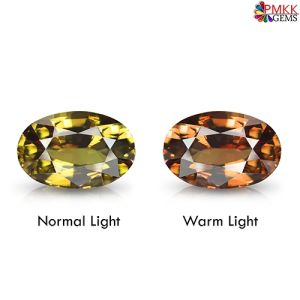
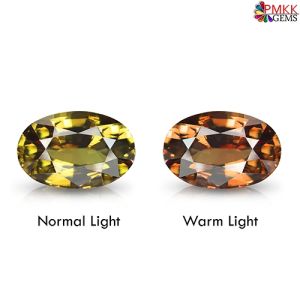
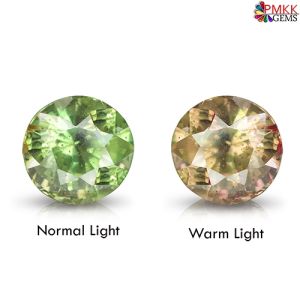
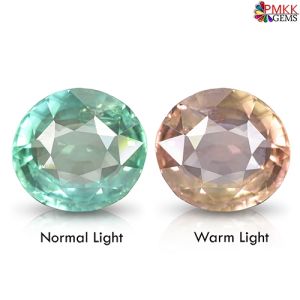
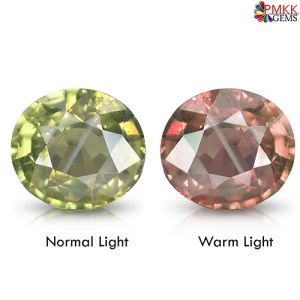
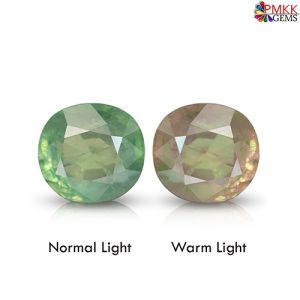
Color Change Effect: The most defining and valuable feature of Alexandrite is its color change effect. A premium-quality stone will exhibit a strong and dramatic color shift—typically from greenish-blue in daylight to purplish-red under incandescent light. The more distinct and vibrant this shift is, the higher the price of alexandrite per carat.
Clarity: Clarity is another critical factor. Original alexandrite stones with high transparency and minimal visible inclusions are rare and highly valued. Inclusions like silk, needles, or crystals can reduce the overall quality and price. However, slight inclusions may be acceptable if the color change is excellent.
Carat Weight: As with most gemstones, alexandrite stone price per carat increases exponentially with size. Fine quality Alexandrite above 1 carat is extremely rare.
Small stones (below 1 carat) may cost less, even if color change is visible. High-quality Alexandrite weighing 2 carats or more is rare and can command thousands of dollars per carat.
Cut and Shape: The cut of Alexandrite affects its brilliance, color change visibility, and overall appeal. A well-cut stone will maximize color transformation and retain weight. Common cuts include oval, cushion, round, and pear. Symmetry and proportion in cutting can enhance the value significantly.
Treatment and Authenticity: Untreated, natural alexandrite is significantly more valuable than lab-created or treated versions. Always ensure that you are purchasing from a certified and trusted source.
Synthetic alexandrite or color-change chrysoberyl is often passed off as real; however, they are far less expensive. The original alexandrite stone price is much higher due to its natural origin and rarity.
Note: In general, the Alexandrite Stone Price starts from INR 40,000 to INR 5,00,000 per carat. or go even higher, based on clarity, color, weight, type, and treatments.
Alexandrite Stone Benefits
Revered as the “Stone of Fortune” and associated with the zodiac sign Gemini, alexandrite holds a unique place in gemology and holistic wellness traditions, offering benefits that span physical, emotional, and spiritual realms.
Emotional Balance and Mental Clarity
Alexandrite’s transformative energy is said to foster emotional equilibrium, particularly for individuals navigating life’s uncertainties. It is revered as a stone of joy, helping to alleviate stress, anxiety, and emotional exhaustion by promoting optimism and adaptability.
Spiritual Growth and Metaphysical Properties
In spiritual practices, alexandrite is considered a bridge between the physical and spiritual worlds. It is closely linked to the crown and third-eye chakras, enhancing psychic awareness, intuition, and connection to higher consciousness. Meditating with alexandrite is said to awaken latent talents, inspire creativity, and facilitate spiritual evolution.
Prosperity and Luck
Alexandrite’s nickname, the “Stone of Fortune,” stems from its reputed ability to attract abundance and opportunities. It is often used in manifestation rituals to amplify intentions related to wealth, success, and personal growth. Historically, Russian aristocrats believed it brought good luck and protection, a belief that persists in modern crystal healing circles.
Versatility in Use and Wear
Alexandrite’s benefits can be harnessed in various ways. Wearing it as jewelry—such as rings, pendants, or bracelets—keeps its energy close to the body, promoting continuous alignment of its metaphysical properties. Placing it in living or workspaces is thought to create an environment of positivity and innovation.
Who Can Wear Alexandrite
Natural Alexandrite stone is a versatile gemstone that suits a wide range of people, but certain factors determine its compatibility, especially in astrological and personal contexts. Here’s who can wear alexandrite:
Astrological Compatibility:
Gemini and Virgo: Alexandrite is strongly associated with Mercury, the ruling planet of these signs. It is believed to enhance communication, intellect, and adaptability for Geminis and Virgos.
Leo and Scorpio: Some astrologers recommend alexandrite for these signs to promote confidence, transformation, and emotional balance.
Birthdays in June: Alexandrite is one of the birthstones for June (alongside pearl and moonstone), making it an excellent choice for those born in this month.
People Seeking Specific Benefits:
Creatives and Communicators: Alexandrite is said to boost creativity, intuition, and eloquence, making it ideal for writers, artists, teachers, and public speakers.
Those Seeking Balance: Its color-changing nature symbolizes duality and harmony, so it’s suitable for individuals looking to balance emotions, intellect, or life transitions.
Spiritual Seekers: Alexandrite is associated with the crown and heart chakras, believed to aid in spiritual growth, self-discovery, and emotional healing.
How to Wear Alexandrite Stone
Jewelry: Alexandrite is often worn as a ring, typically set in gold or platinum to highlight its beauty. It’s ideal for daily wear if the stone is securely set, as alexandrite has a hardness of 8.5 on the Mohs scale, making it durable.
Finger: In Vedic astrology, alexandrite is often associated with Mercury, the planet of communication and intellect. It is typically recommended to wear it on the middle finger (linked to Mercury) of the dominant hand for maximum benefits.
Time: If worn for astrological purposes, it’s advised to wear alexandrite on a Wednesday (Mercury’s day) during the waxing moon phase for auspicious results. Before wearing, cleanse the stone by soaking it in a mixture of water and mild soap or placing it under running water. Some also recommend charging it under moonlight to enhance its energy.
Setting and Design: Choose a setting that allows light to pass through the stone to showcase its color-changing effect (e.g., prong or bezel settings). Pair it with complementary metals like yellow gold for warmth or white gold/platinum for a modern look