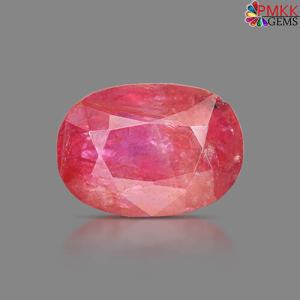
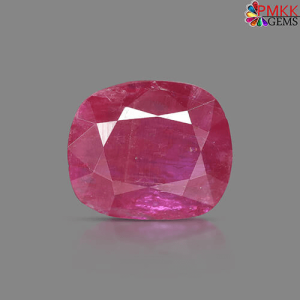
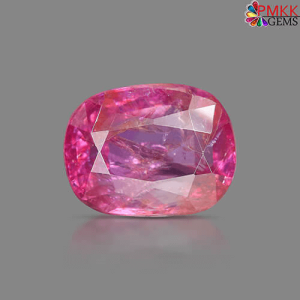
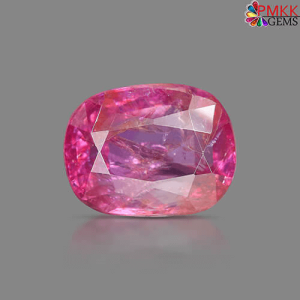
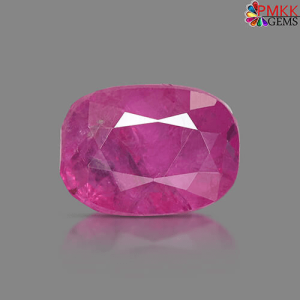
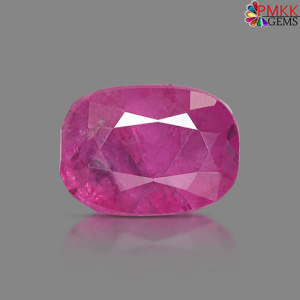
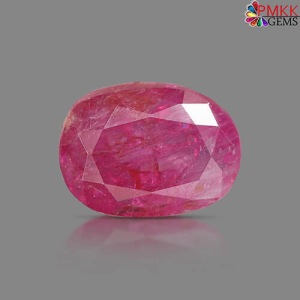
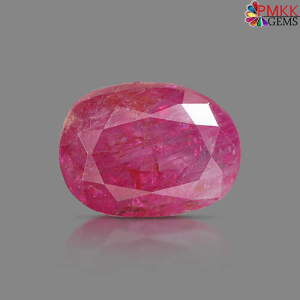
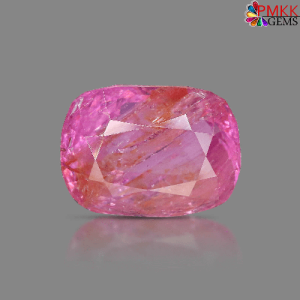
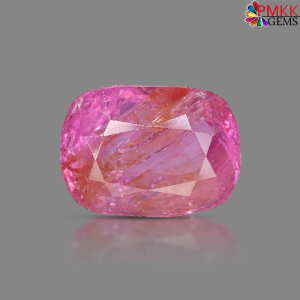
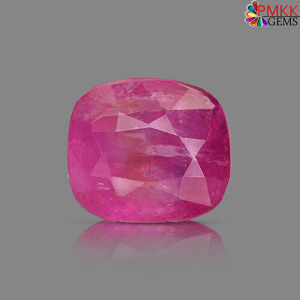
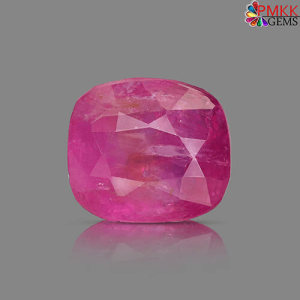
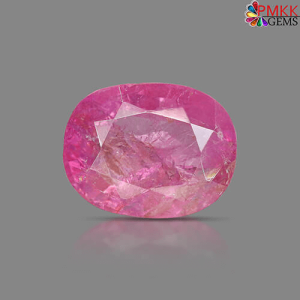
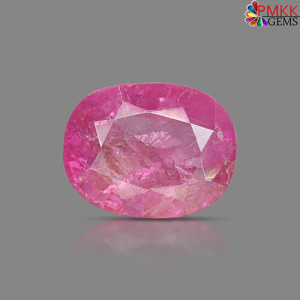
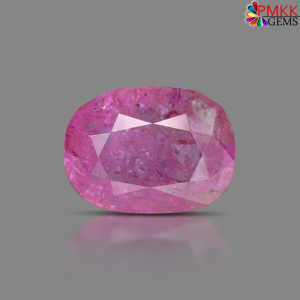
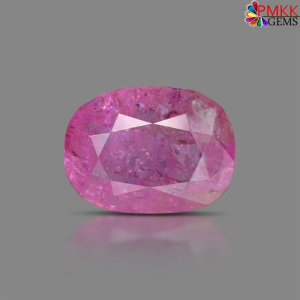
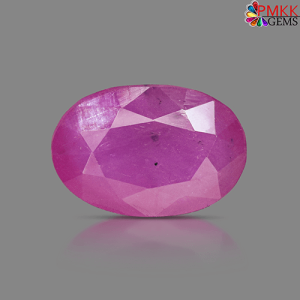
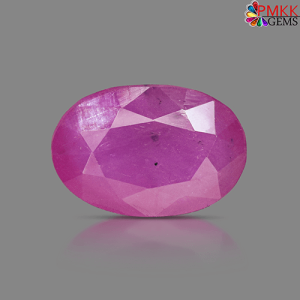
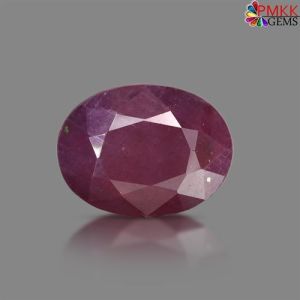
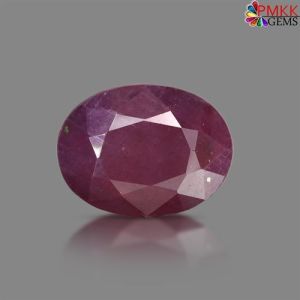
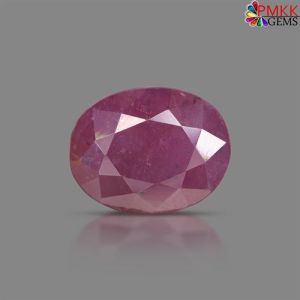
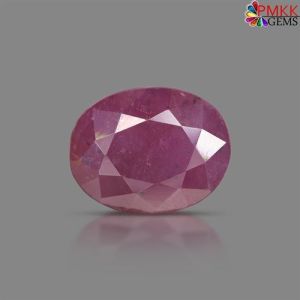
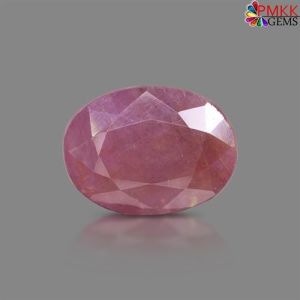
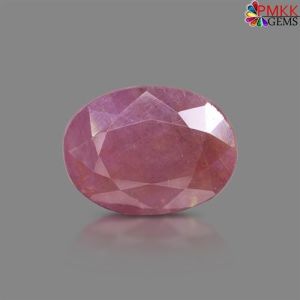
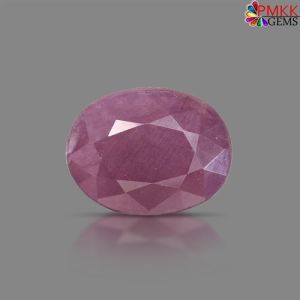
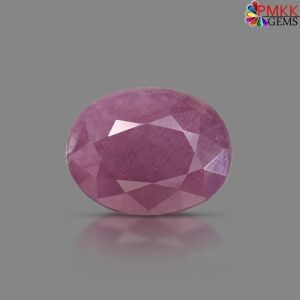
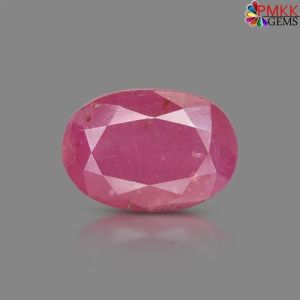
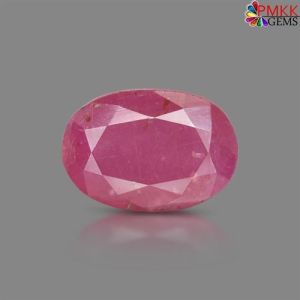

Ruby Stone (Manik Stone)
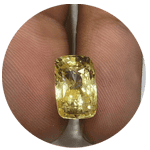
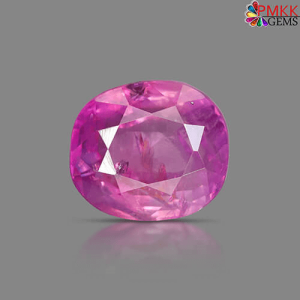
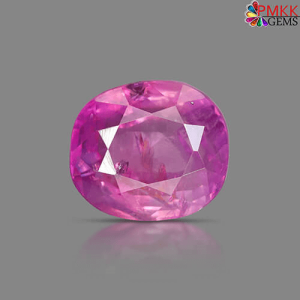
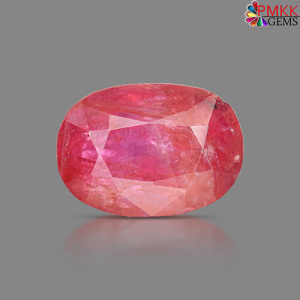
Ruby stone, widely renowned as Manik stone or Manikya stone in India, is a lush deep red to pale blood red color precious gemstone adored and coveted for its unparalleled beauty, value, and thumping astrological benefits. The word ruby is derived from the Latin word ‘Ruber’ which means red. Like sapphires, rubies also belong to the mineral family corundum. Since time immemorial, natural Manik Stone has always been the apple of the eye of emperors, rulers, and some of the most influential personalities in history.
Ruby gemstone is ruled by the planet Sun which exemplifies admirable virtues like courage, valor, beauty, passion, power, and potency. The implications of the original ruby stone are quite monumental ranging from making high-end jewelry pieces to rectifying severe physical and mental ailments of the wearer or raising the fashion quotient to the next level. The dark or blood-red color of the red ruby stone can entice anyone at just a glance and evoke the desire to embrace scintillating natural ruby stone at any cost.
Ruby Stone Properties
Ruby, a prominent variety of the mineral corundum (aluminum oxide, Al₂O₃) like sapphires, is one of the most prized and fabled gemstones celebrated for its vibrant red color and exceptional durability. Original Manik Ratna's exceptional physical properties make it highly valued in jewelry, industrial applications, and as a collector's gem.
Formula: Al₂O₃ (aluminum oxide)
Crystal System: Hexagonal (trigonal subsystem)
Color: Deep red to pinkish-red, often described as "pigeon’s blood" red for the finest specimens.
Mohs Scale: 9
Specific Gravity: 3.97–4.05 (average ~4.00)
Luster: Vitreous to sub-adamantine
Range: 1.762–1.770 (uniaxial negative)
Inclusions: Mostly Rutile Needles and healed fractures
Ruby Gemstone Origin
Natural Rubies form under extreme geological conditions, typically in metamorphic environments where high pressure and temperature cause aluminum-rich rocks to interact with chromium-bearing minerals. These conditions are commonly found in regions with tectonic activity, such as mountain ranges or volcanic zones.
Burma: Myanmar (Burma region) is synonymous with the highest-quality rubies ever produced, particularly those from the Mogok Valley, often referred to as the "Valley of Rubies." Burmese rubies are deeply revered and cherished for their vivid "pigeon's blood" red color—a term used to describe the purest and most saturated shade of red.
Thailand: Thailand, once used to be a leading producer of original red rubies, especially during the mid-20th century, is also a leading source of the top-quality manik gemstones. Thai rubies tend to have a slightly darker tone compared to Burmese stones often exhibiting a brownish or purplish undertone, that’s why they are less valuable than burma rubies..
Mozambique: Mozambique gained major prominence after the discovery of large ruby deposits in the Montepuez region in 2009. These rubies are renowned for their vibrant red hues and excellent clarity, often rivaling Burmese stones. Mozambican rubies now account for a substantial portion of the world’s supply. However, these rubies also exhibit needle like inclusions which dwindle their value.
Tanzania: Tanzania is home to the Umba Valley and Winza areas, both of which yield exceptional ruby ratna. Tanzanian rubies can display a wide range of colors, including rare orange-pink varieties known as "padparadscha-like" rubies.
Madagascar: Like Mozambique, Madagascar’s ruby deposits were discovered in the late 20th century, particularly in the Vatomandry and Andilamena regions. Madagascan rubies are noted for their strong fluorescence and saturation, making them highly valued.
Benefits of Ruby Stone (Manik)
The ruby stone, also known as Manik stone, is a precious gemstone with a wide range of benefits that crystal healers and spiritual practitioners have been harnessing for centuries. Ruby gemstone amplifies different forms of energy creating both stability and balance in its wearer. It is believed to bring clarity of thought and purify the mind, as well as support the manifestation of courage, poise and willpower. Moreover, the ruby gemstone is said to stimulate creativity and drive ambition.
Financial Benefits of Ruby Gemstone Ruby stone is becoming an increasingly popular choice due to its numerous financial benefits.
1. Manik (ruby gemstone) has a long-standing reputation for bringing wealth and prosperity to the wearer.
2. According to Hindu scriptures, ruby’s red hue brings forward courage and helps build strong leadership traits.
3. It is believed that ruby encourages ambition and perseverance which can result in higher revenues over time.
4. On a more tangible level, ruby can act as an important part of a financial portfolio if sold at the right price.
Health Benefits of Ruby Gemstone
Ruby stone is a beautiful gem that has been used by Hindu astrologers for centuries. Not only is the ruby a stunning stone for jewellery, but it also boasts many health benefits.
1. Boosts Immune System: Ruby is thought to help strengthen the immune system and improve overall health.
2. Supports Cardiovascular Health: Ruby is said to help regulate blood flow, which may benefit cardiovascular health.
3. Reduces Stress and Anxiety: Ruby is believed to have a calming effect on the mind and body, which may help reduce stress and anxiety.
4. Promotes Healthy Reproductive System: Ruby is said to help support the health of the reproductive system and improve fertility.
5. Supports Healthy Blood Circulation: Ruby is thought to help increase blood circulation and oxygenation, which may benefit various bodily functions.
6. Alleviates Insomnia: Ruby is said to help improve sleep quality and alleviate insomnia.
Who Should Wear Ruby Stone?
According to astrology, the following individuals are believed to benefit from wearing ruby stones:
1. Leo Zodiac Sign: Leo is the zodiac sign associated with the sun, and ruby is believed to enhance the sun's energy and bring positivity and good luck to those born under this sign.
2. Sun Sign Individuals: Individuals whose sun sign is in need of a boost in confidence, energy, or creativity are believed to benefit from wearing ruby.
3. Individuals with Weak Sun in their Birth Chart: Those with a weak sun in their birth chart are believed to benefit from wearing ruby, as it is said to enhance the sun's energy and bring balance and stability to their life.
4. Those in Leadership Positions: Ruby is said to bring power and confidence, making it a good choice for individuals in leadership positions.
5. Individuals Struggling with Negative Thoughts and Emotions: Ruby is believed to have a calming effect and help individuals overcome negative thoughts and emotions.
How to Wear a Ruby Stone?
| Colour | seek out rich pigeon blood red or a deep pink hue ruby. However, don't discount lighter-hued, original and untreated rubies - they still hold their own astrological power. |
|---|---|
| Weight |
Minimum 1/12th of the body weight. E.g. a person weighing 72 kgs can wear a 6-carat ruby. |
| Finger | Wear them on the ring finger of your predominant hand and the gems will contact your body. |
| Neck | Wear it as a pendant with gemstones contacting your body. |
| Metal | The warm tones of yellow gold make an extraordinary mix with the amazing notes of normal rubies. |
| Constellation | Leo (Western and Vedic) |
| Day & Time | Sunday, morning time is best. |
| Mantra & Chanting Times | Om Ghrini Suryay Namha, ॐ घृणिः सूर्याय नमः (108 Times) |
How to Clean Ruby Stone
Gently Scrub: Using the soft toothbrush, gently scrub the ruby and its setting. Pay attention to areas where dirt might accumulate, such as around prongs or intricate details. Be careful not to apply too much pressure.
Rinse Thoroughly: Once you've scrubbed the ruby, rinse it thoroughly under lukewarm running water to remove all traces of soap. Make sure no soapy residue remains, as this can dull the stone's luster over time.
Dry Carefully: Pat the ruby dry with the soft, lint-free cloth. Ensure it's completely dry before storing it. You can also allow it to air dry on a clean surface.
How To Care Ruby Gemstone
Avoid Harsh Chemicals: Keep your ruby away from harsh chemicals such as bleach, chlorine, and strong detergents.
Protect from Scratches and Impacts: While original rubies are quite durable (ranking 9 on the Mohs hardness scale), they can still be scratched by harder materials like diamonds or sapphires.
Limit Exposure to Extreme Temperatures: While generally stable, extreme and sudden temperature changes can potentially cause stress fractures in some gemstones. Avoid exposing your ruby to very hot or very cold conditions.
Avoid Ultrasonic Cleaners and Steam Cleaners: While these methods are safe for some gemstones, they are generally not recommended for rubies, especially those with fractures or fillings (which are sometimes used to enhance color and clarity).
Professional Cleaning: Consider taking your ruby jewelry to a professional jeweler for a thorough cleaning and inspection once a year or as needed. They have specialized tools and knowledge to keep your ruby in top condition.
Ruby Stone Quality
The quality of any gemstone, be it ruby gemstone or any other prominent gemstone, is of paramount concern for any gemstone enthusiast. Though we already have the standard 4C’s to quantify the exact quality of a Manik stone, there are other umpteen imperative factors that must be taken into account to measure quality in an accurate manner. Let’s discuss each factor one at a time.
Color: Perhaps the most vital factor when it comes to quantifying natural ruby stone quality. A ruby with deep red hues or blood red color and uniformity in color is regarded highly and is of top-notch quality. The quality increases to a great extent with the increase in red color intensity and vice versa.
Carat Weight: It’s a no-brainer that the value and quality of a ruby stone shoot up with the increase in carat weight but only up to a certain extent. It’s rare to find a par-excellent quality and lush red color ruby in the higher carat weight as color zoning, as well as inclusion, increases.
Cut: Cut of a red ruby stone plays a quintessential role in amplifying its quality. A well-cut natural ruby gemstone with numerous facets amps up brilliance by leaps and bounds and increases its value as well. Moreover, if cuts are given by a dexterous lapidary, the loss of gemstone carat weight remains minimal and quality maximizes.
Clarity: This factor has a direct influence on the quality of natural ruby gemstones. A supreme-quality ruby stone has minimal inclusions which lead to commendable clarity and a ramp-up in quality and value. Most original ruby stones come with natural inclusions in the form of needles which help gemologists to identify the origin of the stone. Manik stones with crystal clear clarity are the most revered ones and the highest in value as well.
Origin: Unquestionably, the origin is of profound significance when it comes to judging the quality of ruby stones. Burma, Mozambique, and Tanzania rubies are unparalleled in quality and always stay high in demand. On the other hand, Manik stones from India and Sri-Lanka origins are usually low in quality because of color zoning and noteworthy inclusions..
Ruby Gemstone Price
The price of a ruby stone in india can vary significantly depending on a plethora of factors that include the size, color, clarity, and cut of the ruby stone. A useful rule of thumb is, rubies that are hefty in size, more intensely colored, and free of visible inclusions and blemishes will be more valuable and exorbitant. The cut can also affect original manik stone price per carat as well-cut stones always command a premium price. Below, we have jotted down imperative pointers that will help you to evaluate an original ruby stone price per carat in a better way.
Carat weight: On average, Rubies that are less than 1 carat in weight typically sell for less than $50-$800 per carat in India. Rubies that are 1-2 carats in weight can sell for anywhere from $1,000 to $10,000 per carat and the price may vary. Rubies that are over 2 carats in weight can sell for tens of thousands of dollars or more per carat. In general, carat weight influences the ruby gemstone price per carat profoundly.
Color: The most valuable and revered rubies are those that are a deep, saturated red color with minimal to no color zoning. Rubies that exhibit pale red to pinkish color are way less expensive and boast low manik stone price per carat in the market.
Clarity: Rubies that are free of different types of inclusions and visible blemishes will be more valuable than rubies that have inclusions or other imperfections. Original ruby stone price of par excellent clarity can make some serious dent in the pocket of gemstone lovers.
Cut: Ruby stone price of well-cut rubies that have a symmetrical shape and facets, and are free of visible flaws will be more valuable than rubies that are poorly cut or have visible flaws. It’s worth noting down here that the manik stone price stated above are average prices and can vary to a great extent depending on a number of factors. If you are interested in purchasing a natural ruby stone, it’s exemplary to consult with a distinguished gemologist or credible gem dealer who can help you assess the quality and value of the stone. When considering the original ruby stone price, here are some additional factors that can impact the price of a ruby stone:
Origin: Rubies that come from particular origins such as Myanmar (Burma), are considered to be of higher quality and will boast a jaw-dropping price. Sometimes, the average ruby ratna price per carat of Burma ruby can go as high as half a million dollar per carat.
Treatments: Natural ruby gemstones barely exhibit supreme-level brilliance. Some rubies have been treated to improve their color or clarity to make them market ready. Treated rubies are typically less valuable than untreated rubies, thus, manik stone price of untreated rubies are way higher than treated natural rubies.
Demand: The demand for rubies can fluctuate depending on a number of factors, such as economic conditions and fashion trends. When demand is high, original ruby stone prices will tend to be higher.
FAQs About Ruby (Manik Stone)
Q1). Can Ruby jewellery be worn every day?Ans. Yes, Ruby stone jewellery can be worn every day. Rubies are durable and can withstand everyday wear and tear. Additionally, they are beautiful gemstones that can add a touch of elegance to any outfit.
Q2). Which month does Ruby belong to?
Ans. Natural Ruby gemstone belongs to July's birthstone. Those born in July can wear original Ruby Stone.
Q3). Ruby stone is worn on which finger?
Ans. The real Ruby stone is a red gemstone typically worn on the ring finger of the right hand. And women wear worn on the left hand, on the ring finger.
Q4). Can I pair the Ruby with other gemstones?
Ans. Yes, you can pair the real Ruby gemstone with other gemstones! Many people believe that ruby looks best when it is paired with other stones. Some good options to pair with Ruby include: 1. Diamond 2. Emerald 3. Sapphire 4. Topaz 5. Turquoise So if you're looking to add a little bit of extra sparkle to your Ruby jewellery, don't be afraid to try pairing it with other stones.
Q5.). How would I realize that the value I am paying for Ruby Gemstone is right?
Ans. Understanding the components that impact natural ruby prices will give you a clearer image of the circumstance. Beginning, size, magnificence, and brightness all add to making costly gemstones that can be sold for Rs 150,000 to Rs 200,000 for every carat. Prices range from Rs 10,000 to Rs 15,000 for each carat, as opposed to more business pearls which can be a lot heavier.
Q6.)Who must wear ruby?
Ans.Ruby (Manik) is ideal for individuals with a weak Sun in their astrological chart, particularly Leo zodiac natives. It’s also recommended for leaders, those seeking confidence, career growth, or vitality. Consult an astrologer to confirm compatibility.
Q7.)What is the ruby stone good for?
Metaphysical: Enhances energy, courage, focus, and success; protects against negativity. Physical: Traditionally linked to improving blood circulation, heart health, and vitality. Spiritual: Stimulates the Root and Heart chakras, aiding passion and emotional balance.
Q8.)How much is 1 carat of ruby?
Ans.General Prices of manik ratna range from 100 to 15,000+ per carat, depending on quality. Factors include color (pigeon’s blood red is most prized), clarity, origin (Burmese rubies are premium), and treatments (untreated stones cost more).
Q9.)Which Zodiac Can Wear Manik Stone?
Ans.Primarily Leo (Sun sign) can wear Manik gemstone but others (e.g., Aries, Scorpio) may benefit if their birth chart indicates a weak Sun. Always consult an astrologer for personalized advice.
Q10.)Who can wear a ruby stone?
Ans.Individuals seeking success, confidence, or Sun-related planetary balance must wear original ruby gemstone. Suitable for those in leadership, creative fields, or facing low energy. Avoid if the Sun is already strong in your chart.