Currency

Lapis (lazuli)
Lapis Lazuli Stone (Lajward)
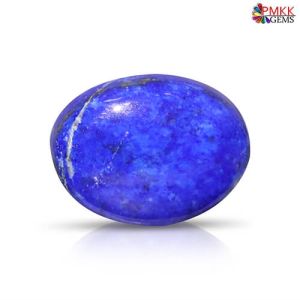
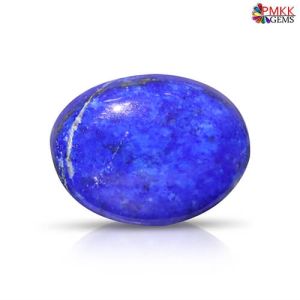
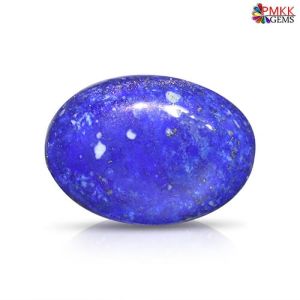
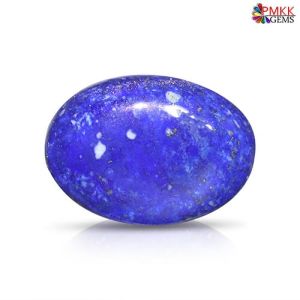
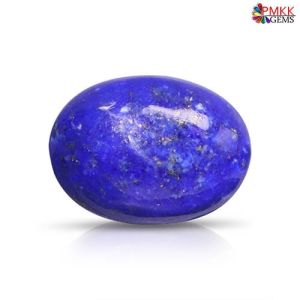
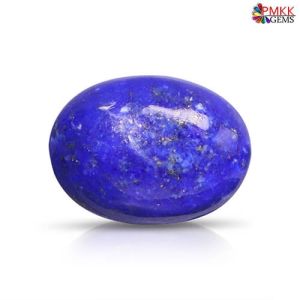
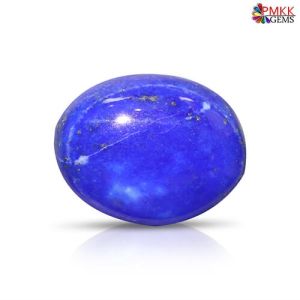
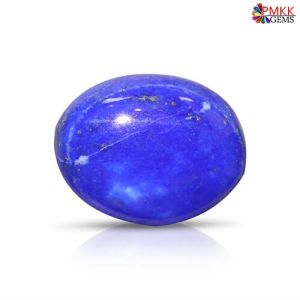
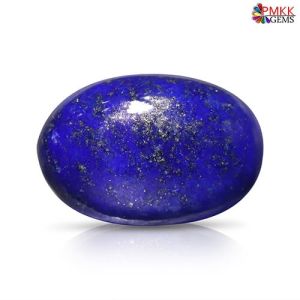
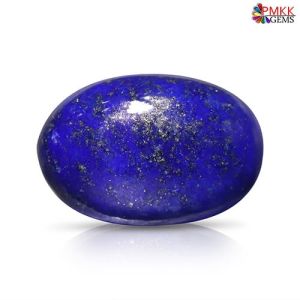
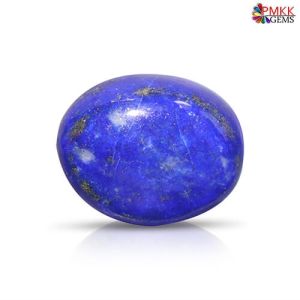
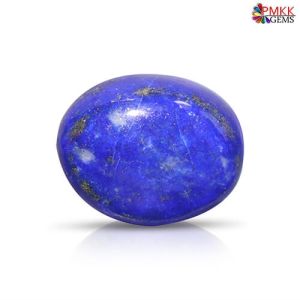
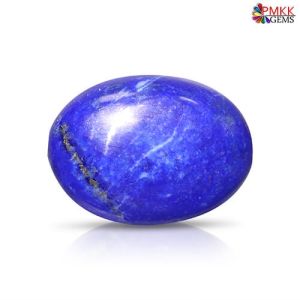
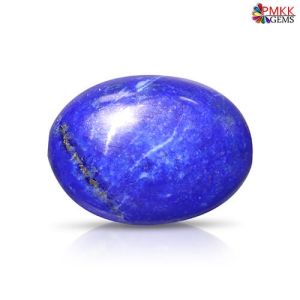
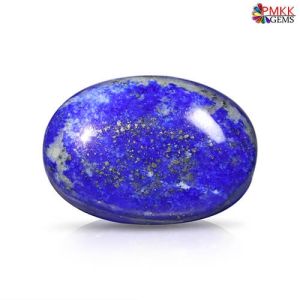
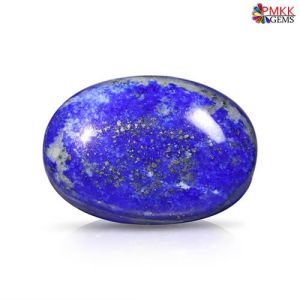
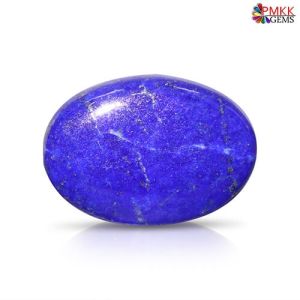
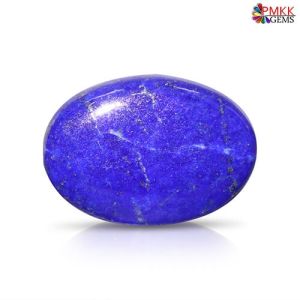
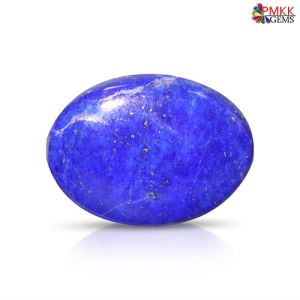
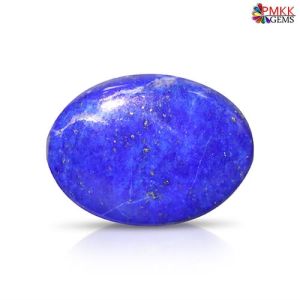
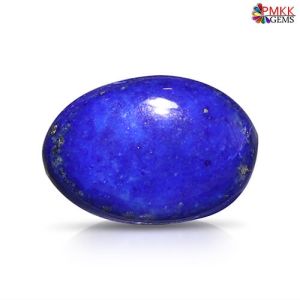
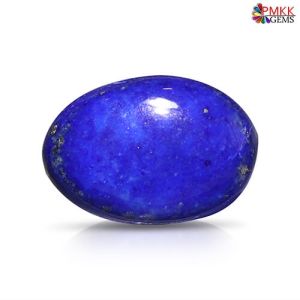
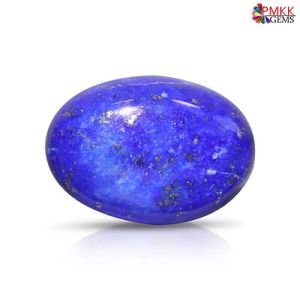
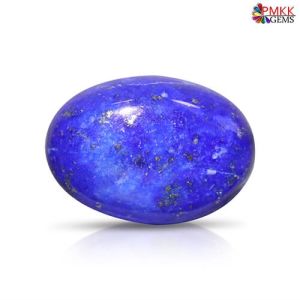
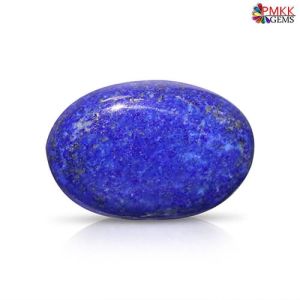
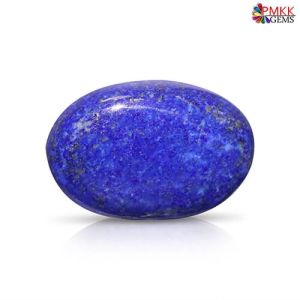
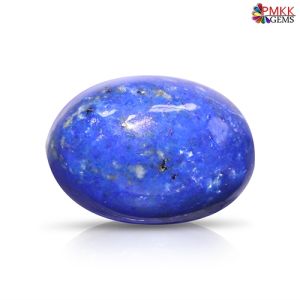
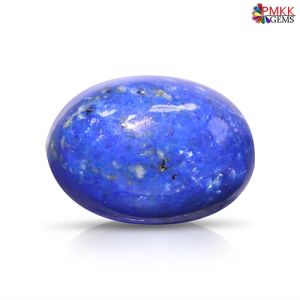
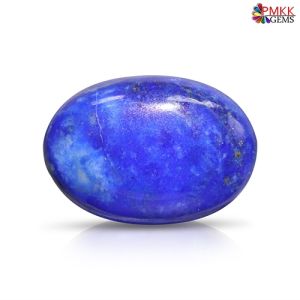
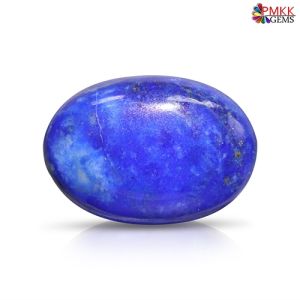
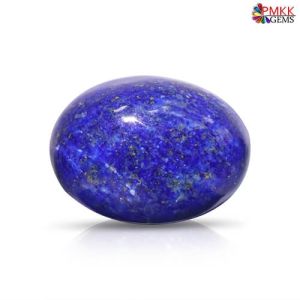
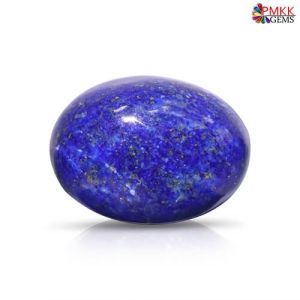
Lapis Lazuli stone also known as Lajward stone in India, this historical stone has a name closely associated with its intense color. It is technically defined as a rock rather than a mineral with the chemical composition Na,Ca)₈Al₆Si₆O₂₄ (S,SO)₄ and luster vitreous and greasy. The color of this gemstone is blue. Its colors can actually range from slightly greenish blue to violetish, medium to dark, and from low to highly saturated.
Lapis is an excellent stone for executives, journalists, and psychologists, stimulating wisdom and good judgment in the practical world. Despite its low price, lapis lazuli can be worn in many high-end designer jewelries. Lajward stone is one of the most popular stones today for men's jewelry. Lapis stones are also useful and to be effective to relieve pain, and are said to be particularly helpful for migraine headaches.
How to Wear Lapis Lazuli Stone?
Lapis Lazuli is a powerful semi-precious gemstone known for its rich blue color and spiritual properties. Here's how to wear it properly:
Ideal Metal: Lapis Lazuli is best set in silver, panchdhatu (five-metal alloy), or white gold to maximize its metaphysical benefits.
Best Finger: It is typically worn on the middle finger of the right hand, as this finger is associated with Saturn and spiritual balance.
Best Day and Time: Wear Lapis Lazuli aka lajward stone on a Saturday morning during Shukla Paksha (waxing moon period) for the best results.
Purification Process:
Before wearing:
Soak the stone ring or pendant in a mixture of raw milk, honey, and Ganga Jal (holy water) for about 10–15 minutes.
Rinse with clean water and wipe it dry.
Mantra to Chant (optional but beneficial):
Chant the mantra "ॐ शं शनैश्चराय नमः" (Om Sham Shanaishcharaya Namah) 11 or 108 times to activate the stone.
Benefits of Lapis Lazuli Gemstone
Lapis lazuli is a deep blue metamorphic rock that has been prized for thousands of years, not only for its striking beauty but also for its metaphysical and healing properties.
Historically used in ancient Egypt, Mesopotamia, and later by Renaissance artists as a source of ultramarine pigment, lapis lazuli continues to be cherished today for its spiritual and therapeutic benefits. In holistic practices, it is believed to stimulate the higher mind, enhance intellectual ability, and encourage clarity of thought. This makes it an excellent stone for students, writers, and anyone engaged in mental or creative pursuits.
One of the most well-known benefits of lapis lazuli is its association with communication and self-expression. It is often linked to the throat chakra, helping individuals articulate their thoughts and feelings more effectively.
By promoting honesty and encouraging the expression of one's inner truth, lapis lazuli can aid in resolving conflicts and fostering deeper understanding in personal and professional relationships.
In addition to its mental and communicative benefits, lapis lazuli is considered a powerful protective stone. It is said to shield the wearer from negative energies, psychic attacks, and harmful influences.
Many people use lapis lazuli in meditation to deepen their spiritual awareness and connect with higher wisdom. It is also believed to promote inner peace, reduce stress, and help alleviate insomnia when placed under a pillow or near the bed.
Physically, some alternative healers suggest that lapis lazuli may support the immune system, purify the blood, and aid in treating disorders of the throat, thyroid, and nervous system. While these claims are not scientifically proven, many find comfort in using lapis lazuli as part of their wellness routine. Whether worn as jewelry, carried as a talisman, or used in crystal healing layouts, lapis lazuli remains a timeless symbol of wisdom, truth, and spiritual enlightenment.
Lapis Lazuli Price
Lapis lazuli, a vibrant blue semi-precious gemstone prized for centuries for its rich color and historical significance, varies widely in price due to several key factors. Understanding these factors can help buyers, collectors, and jewelers make informed decisions when purchasing or valuing this gemstone.
Color: The most significant factor influencing lapis lazuli price is its color. The finest lapis lazuli exhibits a deep, vivid blue with minimal to no visible inclusions or veining.
Intense, uniform royal blue or violet-blue stones command the highest prices. These are often sourced from Afghanistan, particularly the Sar-e-Sang mines, known for producing the best-quality lapis. Stones with lighter blue, greenish, or grayish hues are less desirable
Clarity: While lapis lazuli is not a transparent gemstone, its clarity—referring to the absence of visible flaws or inclusions—impacts lajward stone price. Smooth, polished surfaces with minimal visible cracks or blemishes increase value.
Shape: Well-polished cabochons, beads, or intricately carved pieces fetch higher prices due to the skill and time required. Rough or minimally processed stones, such as tumbled pieces or irregular shapes, are less expensive.
Treatments: Many lapis lazuli stones undergo treatments to enhance their appearance, which affects lapis lazuli stone price. Dyeing or waxing to deepen color or hide inclusions is common in lower-grade lapis. These treatments lower the stone’s value, as they are less durable and less authentic.
Origin: The geographic source of lapis lazuli significantly affects natural lapis lazuli price due to variations in quality. The most sought-after lapis comes from Afghanistan, particularly the Badakhshan region. Its superior color and quality make it the most expensive. Lapis from Chile, Russia, or Pakistan often has more inclusions or less vibrant color, resulting in lower prices.
Frequently Asked Questions:
(Q).What is lapis lazuli known for?
(Ans).Lapis lazuli is known for its intense deep blue color, often flecked with gold (pyrite) and white (calcite), and its historical and spiritual significance.
(Q).What is the Indian name for lapis lazuli?
(Ans).The Indian name for lapis lazuli is lajavarta or lajward stone.
(Q).Is lapis lazuli expensive?
(Ans).The price varies based on color intensity, inclusions, size, and quality. High-quality pieces can be expensive, while lower grades are more affordable.
(Q).Which zodiac can wear lapis lazuli?
(Ans).Sagittarius is often associated with it. Vedic astrology may recommend it for other signs; consulting an astrologer is advised.
(Q).Whose birthstone is lapis?
(Ans).It's an alternate birthstone for September.
(Q).Does lapis attract love?
(Ans).Some believe it attracts love and harmony in relationships.
(Q).Can you wear lapis everyday?
(Ans).Yes, it's generally durable, but avoid harsh conditions to prevent damage.

Filter
Shopping Options

Agate Stone
Amber Stone
Ametrine Stone
Amethyst Stone
Aquamarine
Aventurine
Bloodstone
Blue Moon Stone
Blue Topaz
Blue Zircon
Citrine (sunela)
Garnet
Green Tourmaline
Green Amethyst
Green Onyx
Imperial Topaz
Iolite (Kaka Neeli)
Irani Feroz
Labradorit
Larimar
Lapis (lazuli)
Lemon Topaz
Ocean Jasper
Opal stone
Peridot
Sulemani Hakik
Tanzanite Stone
Tiger Eye Stone
White Topaz
White Zircon
Yellow Fluorite
Yellow Topaz
Yellow Zircon
Rose Quartz

