Currency

Keshi Pearls
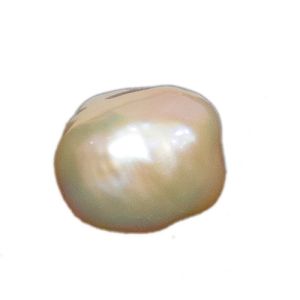
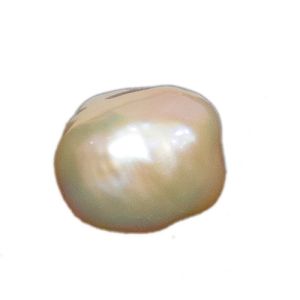
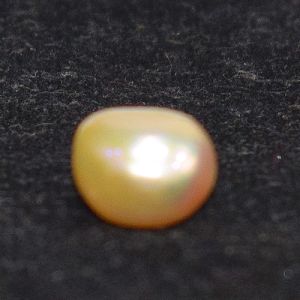
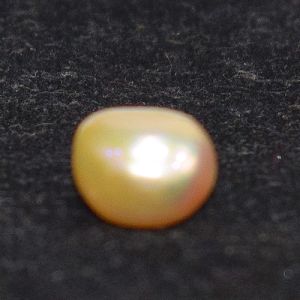
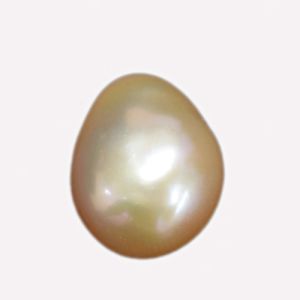
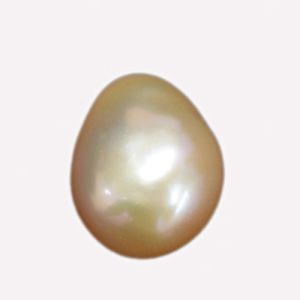
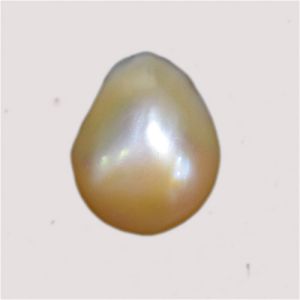
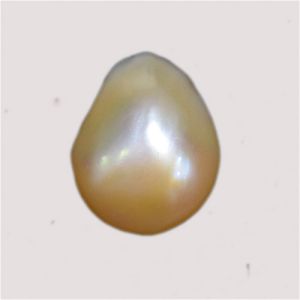
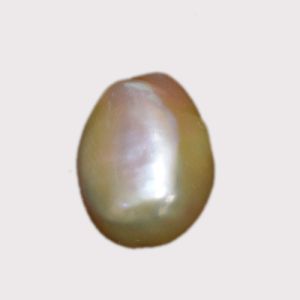
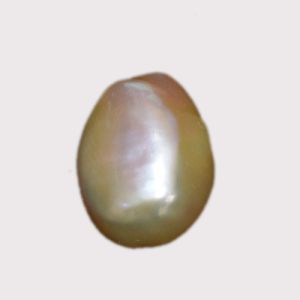
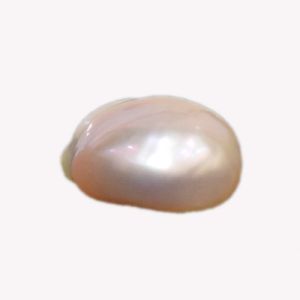
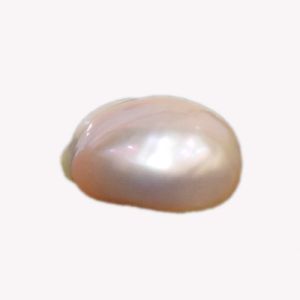
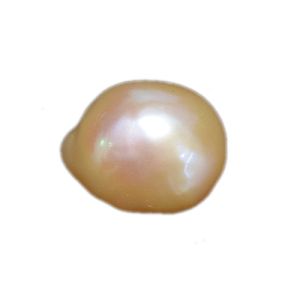
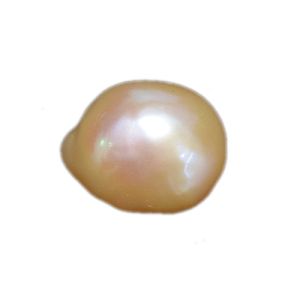
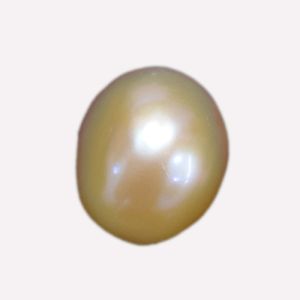
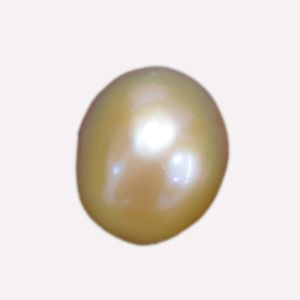
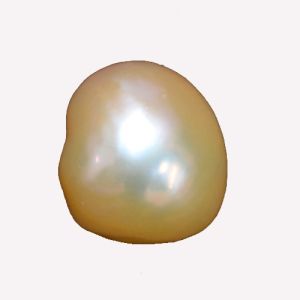
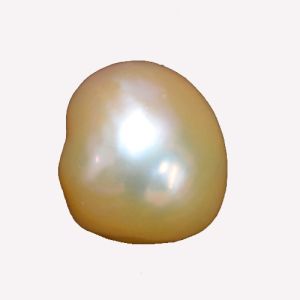
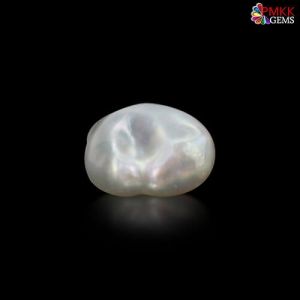
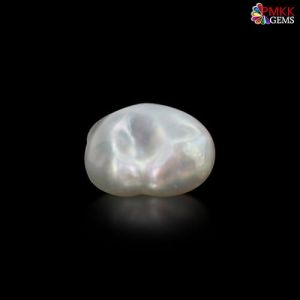
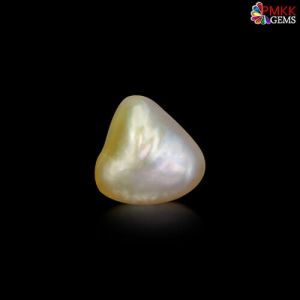
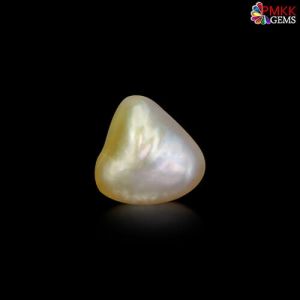
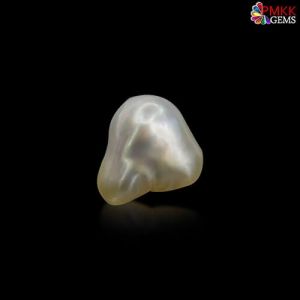
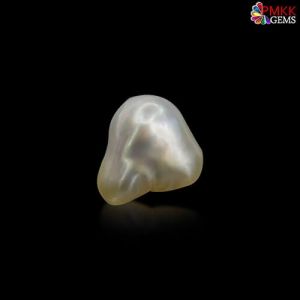
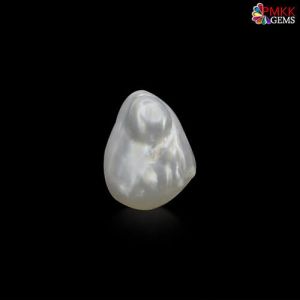
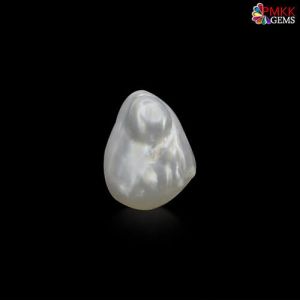
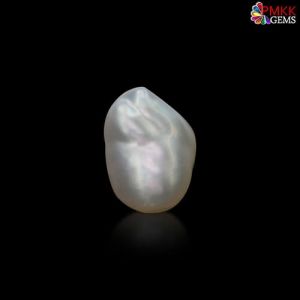
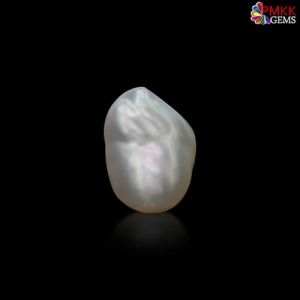
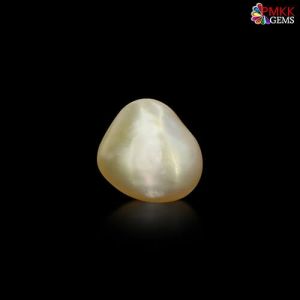
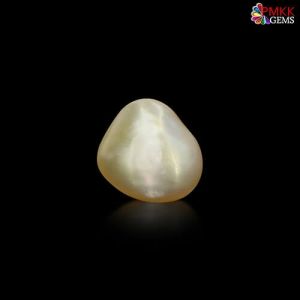
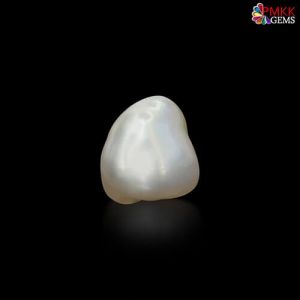
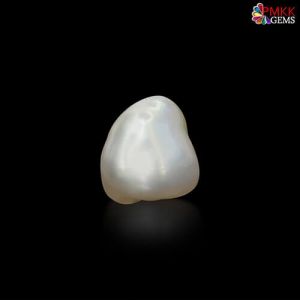
Keshi pearls, meaning "hair" or "poppy seed" in Japanese, are unique, lustrous pearl gemstones formed as a byproduct of pearl cultivation, primarily in saltwater oyster farms. Unlike traditional pearls, Keshi pearls are entirely composed of nacre because they develop without a bead nucleus. When an oyster rejects or expels the implanted nucleus during the culturing process, it may still secrete layers of nacre around residual tissue, resulting in a solid-nacre, non-beaded pearl. This gives Keshi pearls exceptional luster, iridescence, and durability.
Typically small in size (2–10 mm), Keshi pearls are known for their irregular, organic shapes—such as baroque, round, button, or rice-shaped—making them highly desirable for artistic jewelry designs. They are predominantly produced in South Sea, Tahitian, and Akoya oyster farms, with colors ranging from white and silver to peacock green and deep aubergine, depending on the host oyster.
While not classified as natural pearls (since they originate from cultured environments), Keshi pearls are valued for their purity of nacre and vibrant orient. Due to their rarity and labor-intensive formation, high-quality Keshi pearls can range exorbitant, with strands or designer pieces commanding higher prices. Today, true Keshi production is limited, as modern pearl farming techniques minimize nucleus expulsion. As a result, authentic Keshi pearls are increasingly rare and sought after by collectors and fine jewelry connoisseurs.
Keshi Pearls Price
Keshi pearls are extremely valued for their lustrous, all-nacre composition and unique, organic shapes, which contribute to their price range. Since they form accidentally during the pearl culturing process—without a bead nucleus—their availability is limited, making them relatively rare. Prices for Keshi pearls typically range from $20 to $300 per pearl, depending on size, luster, surface quality, and color. High-quality strands or jewelry pieces featuring well-matched Keshi pearls can cost several hundred to over a thousand dollars.
Factors such as origin (Tahitian, South Sea, or Akoya), size (usually 4–10 mm), and the intensity of iridescent overtones (orient) significantly influence value. While not as expensive as natural pearls, fine Keshi pearls with strong luster and minimal blemishes are highly sought after in designer and artisan jewelry. Due to their natural formation and beauty, authentic Keshi pearls command premium prices, especially in vintage or limited-production pieces. Certification and origin verification are recommended to ensure authenticity and fair pricing.
Keshi Pearl

Filter
Shopping Options

Customer Reivews

"I recently purchased an emerald from PMKK gems and I couldn’t be more satisfied with my experience. The quality of the gemstone is absolutely remarkable—clear, vibrant, and flawless. It’s evident that they only deal in the finest gemstones.I highly recommend this store to anyone looking for high-quality gemstones and expertly crafted, bespoke jewellery. Highly recommended. "
- Vinesh V
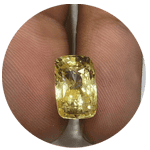
" Recently purchased a top quality 7.7 carat yellow sapphire from pmkk gems and I am extremely satisfied with quality and price of the piece. They also provided gem lab report to which erased all my doubts regarding authenticity. I strongly recommend pmkk gems name to anyone who is looking for purchasing premium quality rashi ratan. "
- Mukesh Soni

" I was afraid to shop ring online .whether it will be really genuine or not but to my surprise pmkk gems send it with a super secure packing and the built quality is awesome and finishing of the ring is outstanding.I'm really impressed! "
- ZESTY VINES

"This place has an incredible selection of gemstones—the best I’ve seen around. It definitely helps if you know what you’re looking for and have some knowledge about gems, but Harsh is great at guiding you to the right choice. I highly recommend this shop for gem shopping! It’s a little off the beaten path, but absolutely worth it. The prices are reasonable for the quality, and they even managed to set the gems I chose into a pendant and ring in less than a day."
- Mark Jamiel

" Just receive this nice imperial topaz ring from Tham and it was cost 45k. I did order it from South Africa. Overall experience was nice. Akanksha was very helpful and provide a good service. Only complaint is I think they little expensive with stone but I'm happy with it. I did receive good and clear quality stone"
- Lutfur Rahman Rana

"This place has an incredible selection of gemstones—the best I’ve seen around. It definitely helps if you know what you’re looking for and have some knowledge about gems, but Harsh is great at guiding you to the right choice. I highly recommend this shop for gem shopping! It’s a little off the beaten path, but absolutely worth it. The prices are reasonable for the quality, and they even managed to set the gems I chose into a pendant and ring in less than a day. "
- Knight Rider


Agate Stone
Amber Stone
Ametrine Stone
Amethyst Stone
Aquamarine
Aventurine
Bloodstone
Blue Moon Stone
Blue Topaz
Blue Zircon
Citrine (sunela)
Garnet
Green Tourmaline
Green Amethyst
Green Onyx
Imperial Topaz
Iolite (Kaka Neeli)
Irani Feroz
Labradorit
Larimar
Lapis (lazuli)
Lemon Topaz
Ocean Jasper
Opal stone
Peridot
Sulemani Hakik
Tanzanite Stone
Tiger Eye Stone
White Topaz
White Zircon
Yellow Fluorite
Yellow Topaz
Yellow Zircon
Rose Quartz