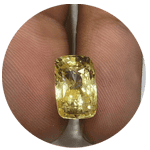
Understanding Indraneelam Quality
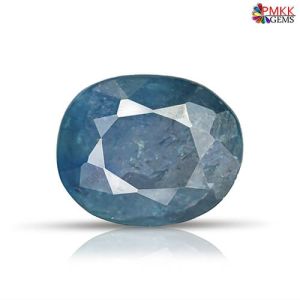
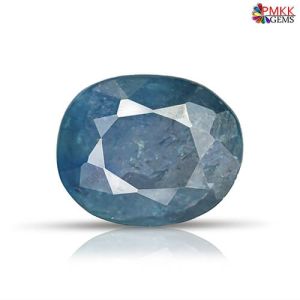
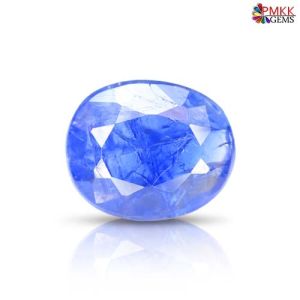
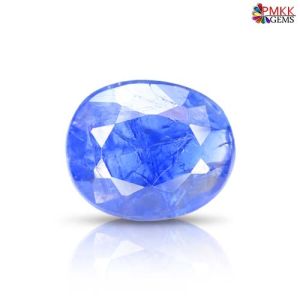
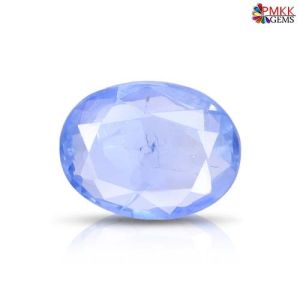
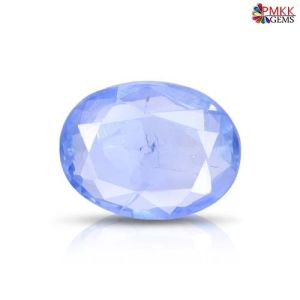
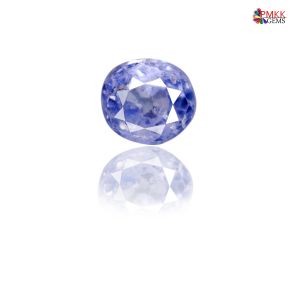
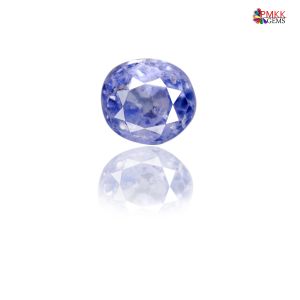
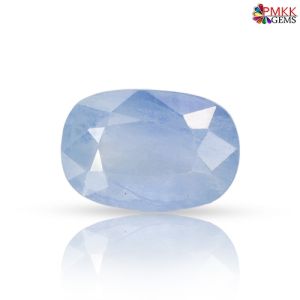
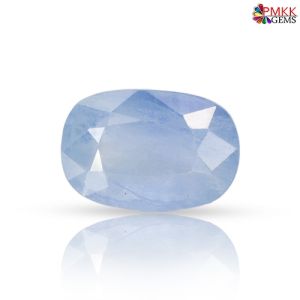
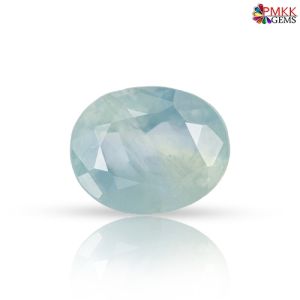
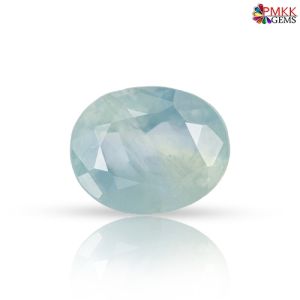
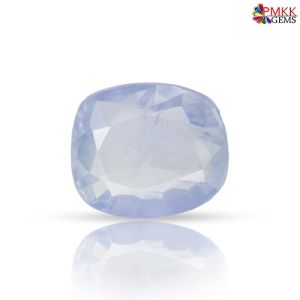
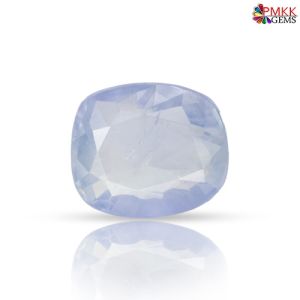
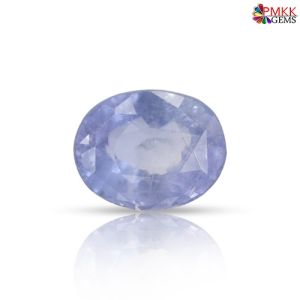
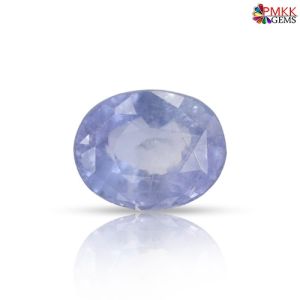
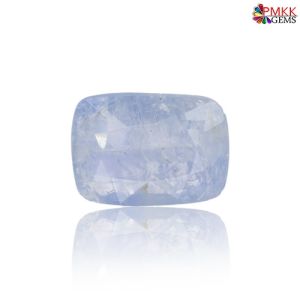
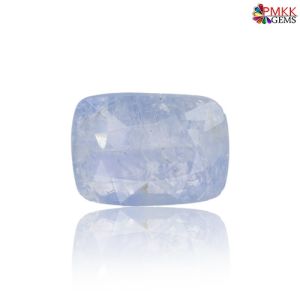
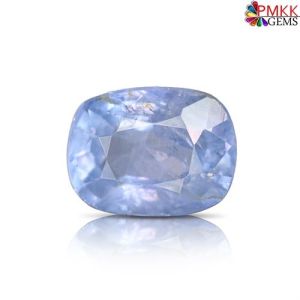
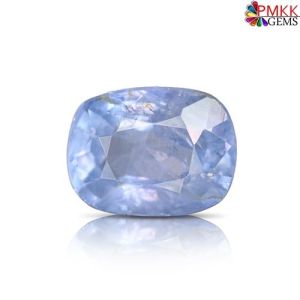
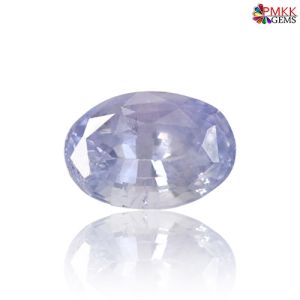
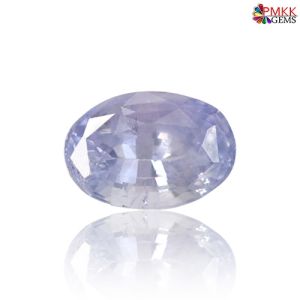
Indraneelam, a treasured variety of blue sapphire from the corundum mineral family, stands among the most sought-after precious gemstones in the world.
Its exceptional beauty and astrological significance have made it highly coveted, but this popularity has also led to challenges in the marketplace.
Unscrupulous dealers sometimes offer synthetic, treated, or artificial stones as genuine Indraneelam, making quality verification essential for discerning buyers.
How to Verify Authentic Indraneelam
While treated and natural Indraneelam may appear similar to the untrained eye, authentic stones can be definitively identified through professional gemological testing.
Modern laboratories employ advanced spectroscopic analysis, microscopic examination, and other sophisticated techniques to determine a gemstone's origin and authenticity.
At PMKK Gems, every Indraneelam gemstone comes with certification from internationally recognized laboratories including
IGI (International Gemological Institute),
AGR (Asian Gemological Research),
and other prestigious institutions.
These certificates provide documented proof of authenticity and detailed quality assessment.
The 4Cs of Indraneelam Quality
Before purchasing Indraneelam, understanding the four critical quality factors—Color, Clarity, Cut, and Carat Weight—empowers you to make an informed investment decision.
1. Color: The Most Important Quality Factor
Color significantly influences both the beauty and value of Indraneelam. Premium specimens display:
- Medium to deep blue saturation with rich, vibrant tones
- Distinctive violet undertones that create the characteristic "royal blue" appearance
- Uniform color distribution without zoning or patchy areas
- Exceptional brilliance that remains visible in various lighting conditions
The finest Indraneelam exhibits what gemologists call "cornflower blue" or "velvet blue"—a captivating medium-dark blue with subtle violet flashes that dance across the stone's surface.
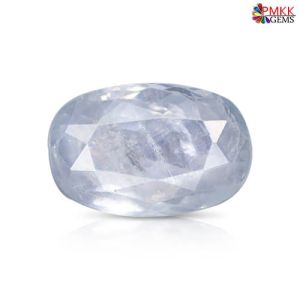
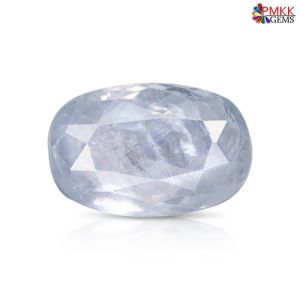
Pale, grayish, or overly dark stones command lower prices due to their less desirable appearance.
2. Clarity: Transparency and Inclusion Assessment
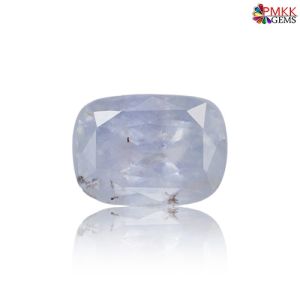
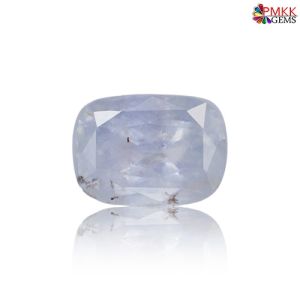
Natural gemstones typically contain internal characteristics called inclusions—fingerprints of their formation deep within the earth. For Indraneelam:
- Eye-clean specimens with no visible inclusions represent the highest clarity grade
- Minor inclusions visible only under magnification are acceptable in quality stones
- Silk inclusions (fine rutile needle patterns) can enhance value when they create desirable optical effects
- Significant fractures or dark crystals reduce both beauty and durability
Premium Indraneelam should appear transparent and brilliant to the naked eye, with any inclusions positioned discreetly or skillfully masked by the cut.
3. Cut: Maximizing Beauty Through Expert Craftsmanship
The cut of Indraneelam dramatically affects its visual appeal and light performance. Master gem cutters analyze each rough crystal to determine the optimal facet arrangement that will:
- Maximize color intensity through proper depth and pavilion angles
- Minimize visible inclusions through strategic facet placement
- Enhance brilliance with precise symmetry and proportions
- Preserve carat weight while achieving ideal dimensions
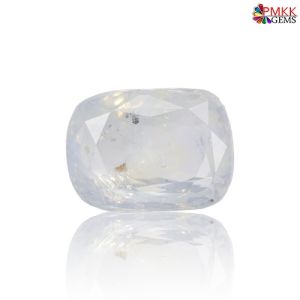
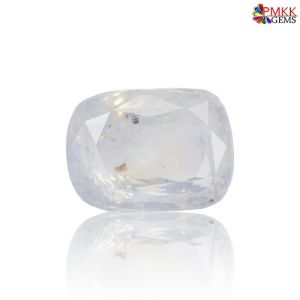
Well-cut Indraneelam in calibrated sizes and fancy shapes such as cushion, emerald, or pear cuts command premium prices.
Poorly proportioned stones, however, appear dark, windowed, or dull regardless of their natural color quality.
4. Carat Weight: Rarity Increases with Size
Indraneelam crystals of substantial size are exceptionally rare in nature. Most quality specimens weigh under 3 carats, making larger stones exponentially more valuable. Consider:
- Stones under 2 carats are relatively more available
- 2–5 carat specimens represent the sweet spot of quality and value
- Stones exceeding 5 carats are rare treasures that appreciate significantly
- Price per carat rises sharply with larger sizes, provided quality remains consistent
A 5-carat Indraneelam of excellent quality costs substantially more per carat than a 1-carat stone of the same grade.
Indraneelam Stone Price Guide
Current Market Pricing in India
The original Indraneelam stone price in India demonstrates significant variation based on quality grades.
In the Indian gemstone market, prices typically range from ₹2,500 to ₹50,000 per Ratti
(1 Ratti = approximately 0.91 carats).
When calculated per carat, Indraneelam stones range from ₹2,700 to ₹55,000 per carat for standard quality,
while exceptional specimens with superior characteristics can command ₹1,00,000+ per carat for investment-grade stones.
This wide price spectrum reflects diverse quality levels influenced by factors such as:
color intensity, clarity, cut quality, carat weight,
origin, and treatment status.
Understanding these elements helps buyers identify fair pricing and make informed purchasing decisions.
Color Impact on Pricing
- Premium royal blue with violet overtones: Highest prices, 40–60% premium
- Medium blue tones: Excellent value and strong appeal
- Light or grayish blue: 50–70% more affordable
- Overly dark or blackish blue: Discounted due to limited brilliance
A truly exceptional royal blue Indraneelam can cost several times more than an average blue stone of similar size.
Clarity's Role in Value
- Eye-clean stones: Premium pricing (30–50% higher)
- Minor visible inclusions: Moderately priced
- Noticeable inclusions: Discounted but often still beautiful
- Heavily included stones: Suitable mainly for cabochons
Transparency and brightness matter more than absolute perfection—slightly included but vibrant stones often command higher prices.
Cut Quality Premium
- Premium faceted cuts: 25–40% premium
- Fancy shapes (cushion, emerald, pear): 15–30% premium
- Calibrated sizes: In-demand for jewelry
- Cabochon cuts: Most economical
- Native cuts: Affordable but may require recutting
Superior cutting enhances brilliance, symmetry, and visual appeal, significantly increasing the gemstone’s value.
Carat Weight Price Progression
| Carat Range |
Price Multiplier |
Market Availability |
| Under 1 carat |
Baseline pricing |
Good availability |
| 1–2 carats |
1.5–2x per carat |
Moderate availability |
| 2–3 carats |
2.5–3.5x per carat |
Limited availability |
| 3–5 carats |
4–6x per carat |
Rare |
| Over 5 carats |
7–10x+ per carat |
Extremely rare |
Expected Price Ranges
Medium Quality Indraneelam
Price Range: ₹2,500–20,000 per carat ($30–$240 USD)
- Lighter blue hues with moderate saturation
- Visible to moderate inclusions
- Often heat-treated
- Commonly from Madagascar or Thailand
- Suitable for astrological use and budget buyers
Exceptional Quality Indraneelam
Price Range: ₹50,000–5,00,000 per carat ($600–$6,000 USD) or more
- Vivid royal blue with violet undertones
- Minimal or no visible inclusions (eye-clean)
- Untreated, natural stones
- Premium origins like Kashmir and Burma
- Investment-grade rarity
Kashmir Sapphires represent the absolute highest tier of Indraneelam, renowned for their velvety-blue hue, exceptional transparency, and historical prestige. These stones are incredibly rare and command unmatched prices.
Prices fluctuate based on origin, global demand, treatment status, and certification from reputable gemological laboratories such as GIA and IGI.
Making Your Investment Decision
- Insist on certified stones (IGI, AGR, GIA, or equivalent)
- Check the stone under natural daylight and incandescent light
- Verify treatment status — unheated stones are most valuable
- Compare per-carat price across similar quality levels
- Buy from reputable dealers with transparent policies
At PMKK Gems, every Indraneelam is authenticated, certified, and hand-selected for quality.
Whether you seek a gemstone for astrology or fine jewelry, understanding pricing and quality helps you make a confident investment.