Currency

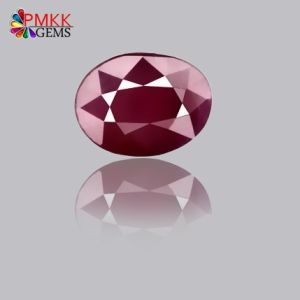
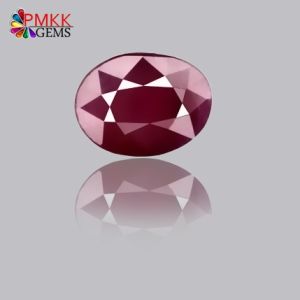
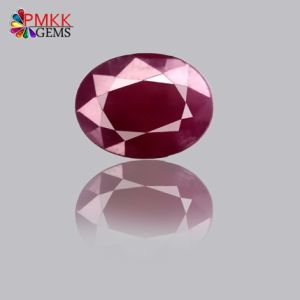
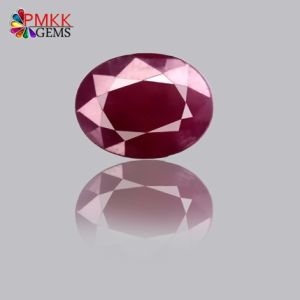
Indian Ruby
Indian Ruby Stone
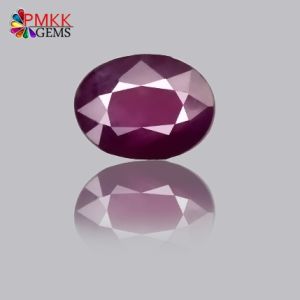
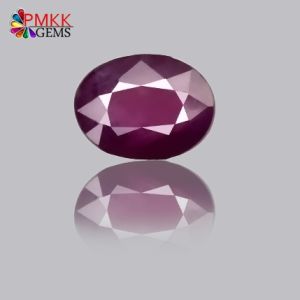
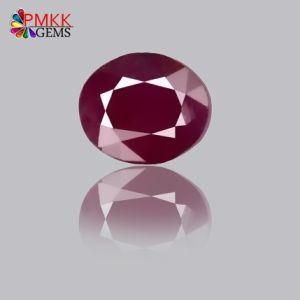
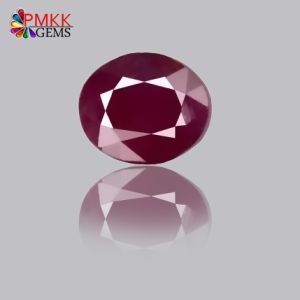
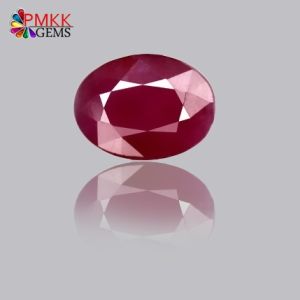
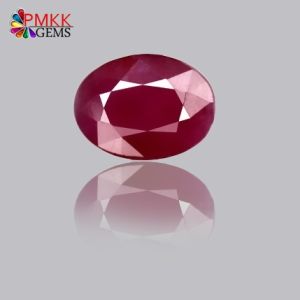
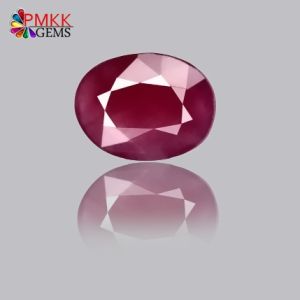
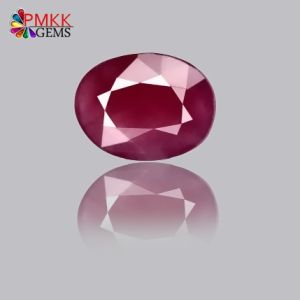
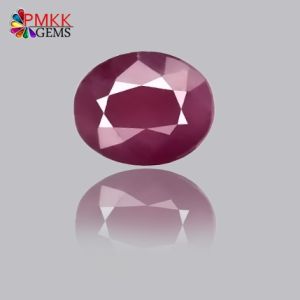
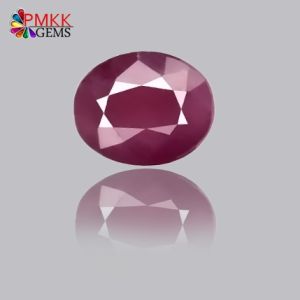
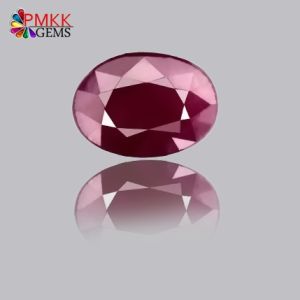
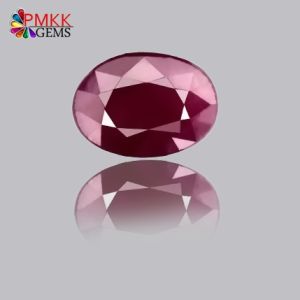
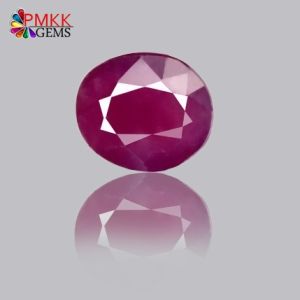
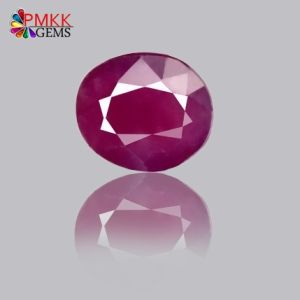
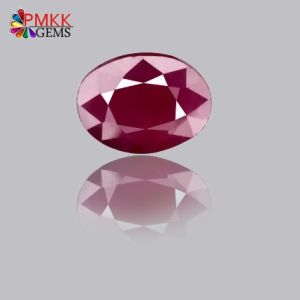
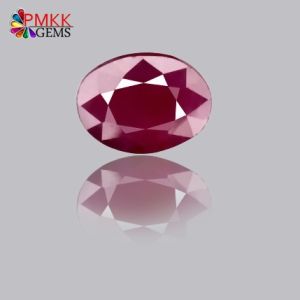
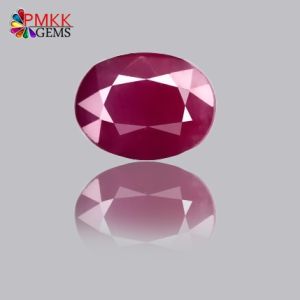
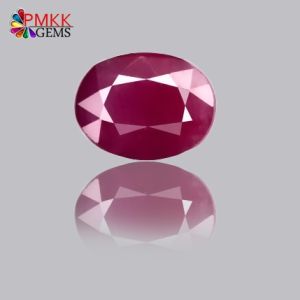
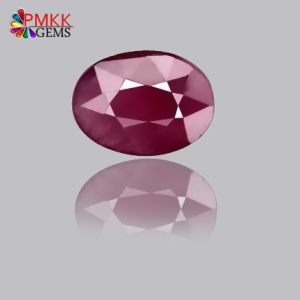
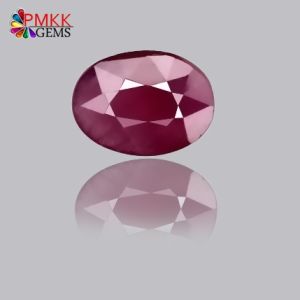
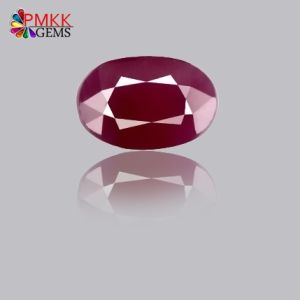
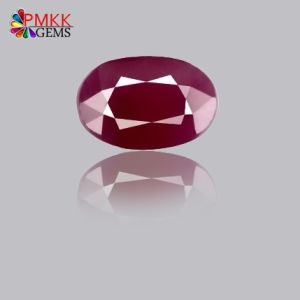
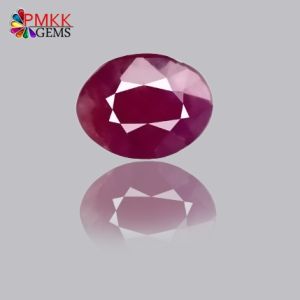
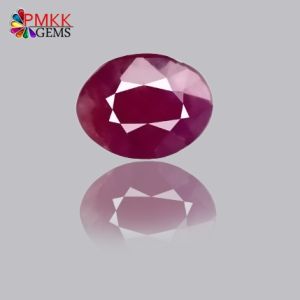
Indian ruby, also referred to as Indian Manik ratna, is a crucial variety of the corundum mineral family with chemical composition (Al₂O₃). Natural rubies are strongly prized for their vibrant red hue, primarily due to trace amounts of chromium. Indian ruby gemstones are mined predominantly in Karnataka, Orissa, and Tamil Nadu regions and are known for their pale to deep red color and cultural significance. These gems crystallize in the trigonal system, with a Mohs hardness of 9, making them second only to diamonds in durability, ideal for jewelry like rings and pendants.
The pale to medium red color in Indian rubies results from the presence of chromium ions absorbing specific light wavelengths, while iron impurities may add brownish or purplish tints. The quality of Indian rubies depends on umpteen factors. The top-of-the-line high-grade original kempu stones exhibit vivid, transparent red hues and minimal inclusions. On the other hand, average quality indian rubies showcase Common inclusions like rutile silk or calcite that can affect clarity but may enhance asterism in rare star rubies, where needle-like inclusions create a six-rayed star effect under light. Indian rubies are often heat-treated to enhance color and clarity, a standard practice that stabilizes the gem.
The maximum benefits of ruby gemstone can only be derived when they are unheated and untreated. Most indian rubies are heat-treated to augment appearance. The Care of ruby ratna involves avoiding harsh chemicals and extreme heat to maintain luster. Sourced from ancient mines like Mogok (historically linked to India), these rubies hold gemological and astrological significance, often associated with vitality and protection in Indian tradition.
Natural Indian Ruby Price
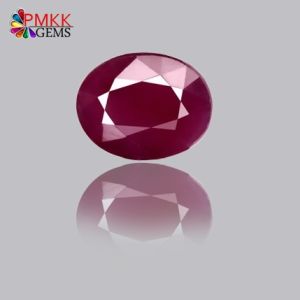
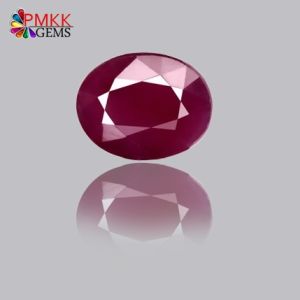
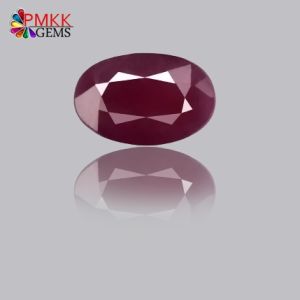
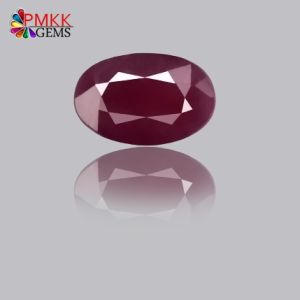
Indian ruby stone price depends on several quality factors including color, clarity, cut, carat weight, and origin. The most valued and prized indian kempu stones exhibiting a rich, pigeon-blood red hue—though true "pigeon blood" rubies are more commonly associated with Myanmar. Indian rubies, often sourced from states like Orissa and Andhra Pradesh, typically display a slightly purplish or darker red tone and may have inclusions, which affect their value. High-quality natural Indian rubies range from ₹2,000 to ₹10,000 per carat ($25–$150), with finer, clean, and vividly colored stones reaching higher prices. Untreated rubies with natural fluorescence are especially prized. Compared to Burmese or Thai rubies, Indian rubies are generally more affordable but less commercially dominant in the global market. Synthetic or heat-treated rubies are widely available at lower costs, so certification is essential to confirm authenticity and determine fair market value for natural stones. Indian rubies are also popular in astrological jewelry, influencing demand regardless of commercial grading.

Filter
Shopping Options

Customer Reivews

"I recently purchased an emerald from PMKK gems and I couldn’t be more satisfied with my experience. The quality of the gemstone is absolutely remarkable—clear, vibrant, and flawless. It’s evident that they only deal in the finest gemstones.I highly recommend this store to anyone looking for high-quality gemstones and expertly crafted, bespoke jewellery. Highly recommended. "
- Vinesh V
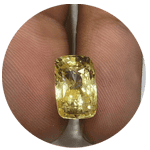
" Recently purchased a top quality 7.7 carat yellow sapphire from pmkk gems and I am extremely satisfied with quality and price of the piece. They also provided gem lab report to which erased all my doubts regarding authenticity. I strongly recommend pmkk gems name to anyone who is looking for purchasing premium quality rashi ratan. "
- Mukesh Soni

" I was afraid to shop ring online .whether it will be really genuine or not but to my surprise pmkk gems send it with a super secure packing and the built quality is awesome and finishing of the ring is outstanding.I'm really impressed! "
- ZESTY VINES

"This place has an incredible selection of gemstones—the best I’ve seen around. It definitely helps if you know what you’re looking for and have some knowledge about gems, but Harsh is great at guiding you to the right choice. I highly recommend this shop for gem shopping! It’s a little off the beaten path, but absolutely worth it. The prices are reasonable for the quality, and they even managed to set the gems I chose into a pendant and ring in less than a day."
- Mark Jamiel

" Just receive this nice imperial topaz ring from Tham and it was cost 45k. I did order it from South Africa. Overall experience was nice. Akanksha was very helpful and provide a good service. Only complaint is I think they little expensive with stone but I'm happy with it. I did receive good and clear quality stone"
- Lutfur Rahman Rana

"This place has an incredible selection of gemstones—the best I’ve seen around. It definitely helps if you know what you’re looking for and have some knowledge about gems, but Harsh is great at guiding you to the right choice. I highly recommend this shop for gem shopping! It’s a little off the beaten path, but absolutely worth it. The prices are reasonable for the quality, and they even managed to set the gems I chose into a pendant and ring in less than a day. "
- Knight Rider


Agate Stone
Amber Stone
Ametrine Stone
Amethyst Stone
Aquamarine
Aventurine
Bloodstone
Blue Moon Stone
Blue Topaz
Blue Zircon
Citrine (sunela)
Garnet
Green Tourmaline
Green Amethyst
Green Onyx
Imperial Topaz
Iolite (Kaka Neeli)
Irani Feroz
Labradorit
Larimar
Lapis (lazuli)
Lemon Topaz
Ocean Jasper
Opal stone
Peridot
Sulemani Hakik
Tanzanite Stone
Tiger Eye Stone
White Topaz
White Zircon
Yellow Fluorite
Yellow Topaz
Yellow Zircon
Rose Quartz