Currency

Basra Pearls
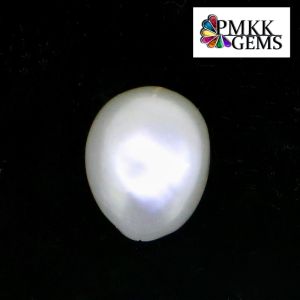
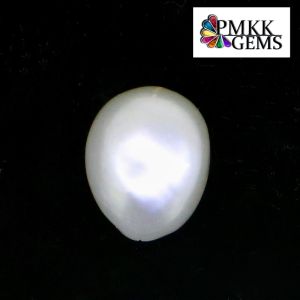
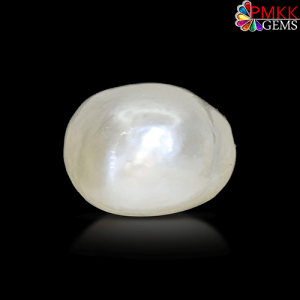
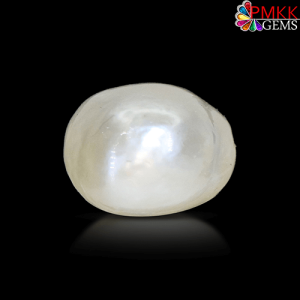
Basra pearls, also known as mukta stone, renowned for their exceptional luster and rarity, are natural pearls historically sourced from the Persian Gulf, particularly near Basra region in Iraq. Formed within the Pinctada radiata oyster, these pearls are composed of calcium carbonate (aragonite) in nacre layers, giving them a unique iridescence. Their Mohs hardness is 2.5-4.5, making them softer than gemstones, requiring careful handling. Colors range from creamy white to pinkish or silvery hues, with sizes typically between 3-10 mm, though larger pearls are exceptionally rare.
Valued for centuries in jewelry and trade, Basra pearls are prized for their natural origin, as they are not cultured, unlike modern pearls. Their luster results from tightly aligned nacre platelets, reflecting light with a mirror-like sheen. The pearls’ quality is assessed by factors like shape (round or baroque), surface clarity, and orient (iridescent glow). Inclusions or blemishes are common in natural pearls, adding to their authenticity. Due to overfishing and environmental changes, authentic Basra pearls are scarce, commanding high prices. Care involves avoiding chemicals, perfumes, and ultrasonic cleaners to preserve nacre. Buyers should seek certification from gemological labs to verify authenticity, as imitations and cultured pearls are prevalent. Ethical sourcing ensures these treasures remain a symbol of timeless elegance.
Basra Pearls Price
Basra pearls, historically renowned as some of the finest natural pearls in the world, originate from the Persian Gulf—particularly around the Basra region in southern Iraq. Prized for their exceptional luster, smooth surface, and rich overtones, genuine Basra pearls are extremely rare and highly valuable due to the decline of natural pearl diving in the 20th century.
The original and top-quality basra pearl price can range from several hundred to thousands of dollars per pearl, depending on size, shape, color, and luster, with matched strands often reaching tens of thousands or more. Due to their scarcity, many Basra pearls in the market today are either imitations or cultured pearls falsely labeled. Authenticity and certification are essential, as true Basra pearls are now considered collector’s items and heirloom treasures.
Basra Pearl

Filter
Shopping Options

Customer Reivews

"I recently purchased an emerald from PMKK gems and I couldn’t be more satisfied with my experience. The quality of the gemstone is absolutely remarkable—clear, vibrant, and flawless. It’s evident that they only deal in the finest gemstones.I highly recommend this store to anyone looking for high-quality gemstones and expertly crafted, bespoke jewellery. Highly recommended. "
- Vinesh V
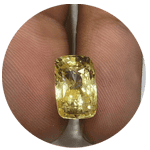
" Recently purchased a top quality 7.7 carat yellow sapphire from pmkk gems and I am extremely satisfied with quality and price of the piece. They also provided gem lab report to which erased all my doubts regarding authenticity. I strongly recommend pmkk gems name to anyone who is looking for purchasing premium quality rashi ratan. "
- Mukesh Soni

" I was afraid to shop ring online .whether it will be really genuine or not but to my surprise pmkk gems send it with a super secure packing and the built quality is awesome and finishing of the ring is outstanding.I'm really impressed! "
- ZESTY VINES

"This place has an incredible selection of gemstones—the best I’ve seen around. It definitely helps if you know what you’re looking for and have some knowledge about gems, but Harsh is great at guiding you to the right choice. I highly recommend this shop for gem shopping! It’s a little off the beaten path, but absolutely worth it. The prices are reasonable for the quality, and they even managed to set the gems I chose into a pendant and ring in less than a day."
- Mark Jamiel

" Just receive this nice imperial topaz ring from Tham and it was cost 45k. I did order it from South Africa. Overall experience was nice. Akanksha was very helpful and provide a good service. Only complaint is I think they little expensive with stone but I'm happy with it. I did receive good and clear quality stone"
- Lutfur Rahman Rana

"This place has an incredible selection of gemstones—the best I’ve seen around. It definitely helps if you know what you’re looking for and have some knowledge about gems, but Harsh is great at guiding you to the right choice. I highly recommend this shop for gem shopping! It’s a little off the beaten path, but absolutely worth it. The prices are reasonable for the quality, and they even managed to set the gems I chose into a pendant and ring in less than a day. "
- Knight Rider


Agate Stone
Amber Stone
Ametrine Stone
Amethyst Stone
Aquamarine
Aventurine
Bloodstone
Blue Moon Stone
Blue Topaz
Blue Zircon
Citrine (sunela)
Garnet
Green Tourmaline
Green Amethyst
Green Onyx
Imperial Topaz
Iolite (Kaka Neeli)
Irani Feroz
Labradorit
Larimar
Lapis (lazuli)
Lemon Topaz
Ocean Jasper
Opal stone
Peridot
Sulemani Hakik
Tanzanite Stone
Tiger Eye Stone
White Topaz
White Zircon
Yellow Fluorite
Yellow Topaz
Yellow Zircon
Rose Quartz