Currency

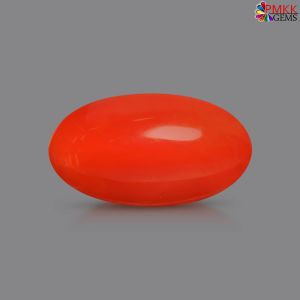
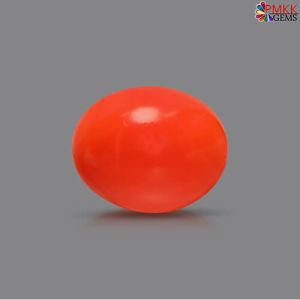
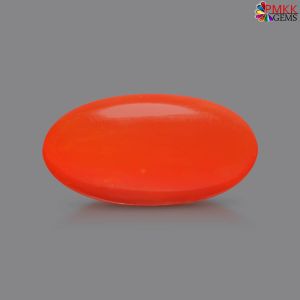
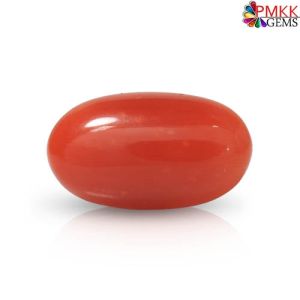
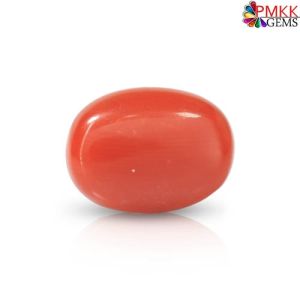
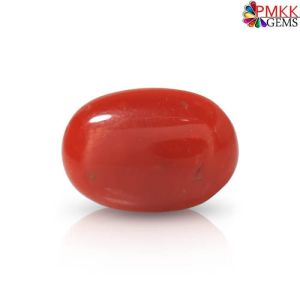
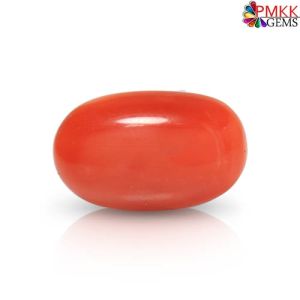
Japanese Red Coral
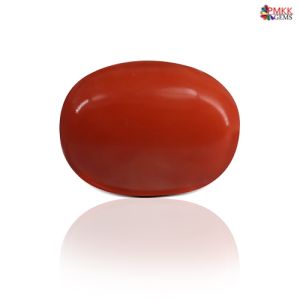
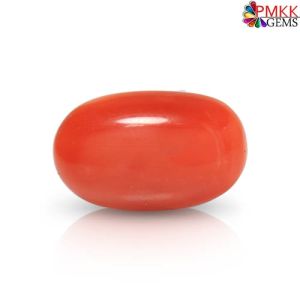
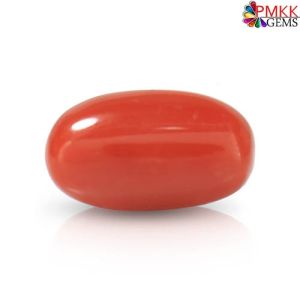
Japanese Red Coral, also known as Japanese Moonga ratna, primarily harvested from the sea waters around Japan's coastal regions, particularly the Ogasawara and Ryukyu Islands, is a prized marine resource scientifically classified under the Coralliidae family, genus Corallium. Unlike tropical reef-building corals, this deep-sea, precious coral thrives at depths of 100 to 1,500 meters in low-light, cold-water environments (4–12°C). Its vibrant red to pinkish skeleton, composed of calcium carbonate with an organic matrix, owes its hue to carotenoid pigments, making it a coveted material in high-end jewelry and decorative arts.
The Japanese red coral stone slow growth rate (in terms of size)—0.5 to 2 mm per year in diameter—renders it a non-renewable resource, as colonies can take decades to centuries to mature. Harvesting involves specialized dredging or submersible operations, regulated tightly by Japan’s government to curb overexploitation. The skeleton’s hardness (3.5–4 on the Mohs scale) and fine, uniform texture allow intricate carving, often seen in traditional netsuke or beads. Chemically, it contains 85% calcium carbonate, with trace magnesium and organic compounds enhancing durability.
Japanese coral represents the Planet Mars in eastern and western astrology. Sustainability concerns loom large on Japanese corals as illegal harvesting and climate-induced ocean changes threaten populations. Japanese Red Coral’s allure lies in its rarity, vivid color, and centuries-old craftsmanship legacy, but its future hinges on stringent conservation.
Japanese Moonga Price
Japanese red coral (also known as Akabana coral) is a luxurious organic gemstone prized for its rich, vibrant red hue and smooth, lustrous finish. Sourced primarily from the deep waters off Japan’s coast, this rare coral is highly sought after for fine jewelry, especially in Asian markets where it symbolizes prosperity, protection, and good fortune. Japanese red coral prices typically range from $50 to $300 per carat, with premium grades—featuring deep ox-blood red color, high density, and flawless surface—commanding even higher rates. Factors like size, shape, uniformity, and craftsmanship in beads or carvings significantly impact value.
Due to slow growth and environmental protections, genuine natural Japanese pavalam stone is becoming increasingly scarce, boosting its exclusivity and investment appeal. With rising demand in luxury fashion and spiritual jewelry, authentic pieces are best purchased with certification to verify origin and quality. Whether in necklaces, earrings, or amulets, Japanese red coral offers timeless elegance and cultural significance in every piece.
Japanese Red Coral

Filter
Shopping Options
-
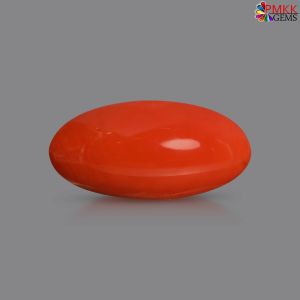
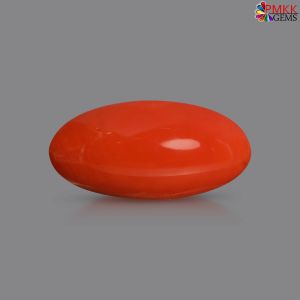
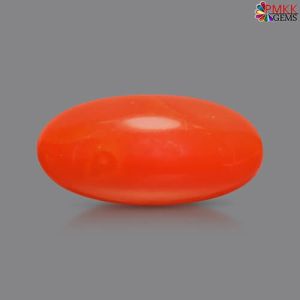
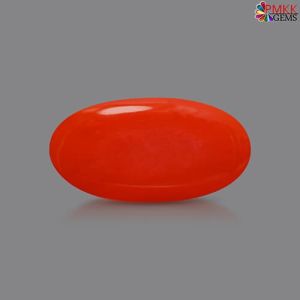
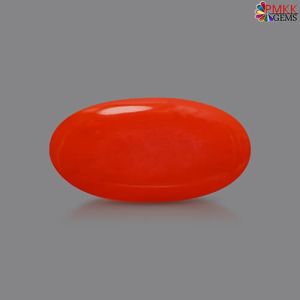
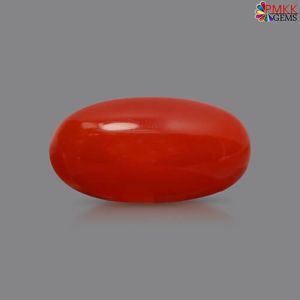
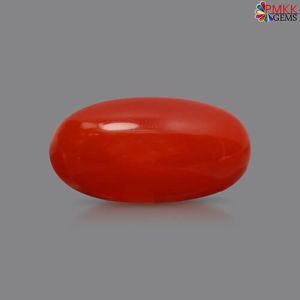
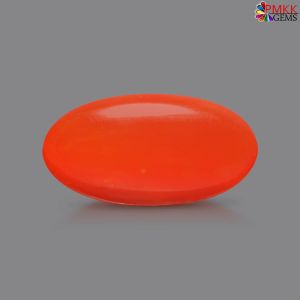
- Japanese Red Coral (Pavalam Stone) 10.17 Carat₹132,210.00
SKU: P287522123-1
10.17 Cts./ 11.16 Ratti
Japan
-
-
-
-
-
-
-
-
-
-
-
-










Customer Reivews

"I recently purchased an emerald from PMKK gems and I couldn’t be more satisfied with my experience. The quality of the gemstone is absolutely remarkable—clear, vibrant, and flawless. It’s evident that they only deal in the finest gemstones.I highly recommend this store to anyone looking for high-quality gemstones and expertly crafted, bespoke jewellery. Highly recommended. "
- Vinesh V
" Recently purchased a top quality 7.7 carat yellow sapphire from pmkk gems and I am extremely satisfied with quality and price of the piece. They also provided gem lab report to which erased all my doubts regarding authenticity. I strongly recommend pmkk gems name to anyone who is looking for purchasing premium quality rashi ratan. "
- Mukesh Soni

" I was afraid to shop ring online .whether it will be really genuine or not but to my surprise pmkk gems send it with a super secure packing and the built quality is awesome and finishing of the ring is outstanding.I'm really impressed! "
- ZESTY VINES

"This place has an incredible selection of gemstones—the best I’ve seen around. It definitely helps if you know what you’re looking for and have some knowledge about gems, but Harsh is great at guiding you to the right choice. I highly recommend this shop for gem shopping! It’s a little off the beaten path, but absolutely worth it. The prices are reasonable for the quality, and they even managed to set the gems I chose into a pendant and ring in less than a day."
- Mark Jamiel

" Just receive this nice imperial topaz ring from Tham and it was cost 45k. I did order it from South Africa. Overall experience was nice. Akanksha was very helpful and provide a good service. Only complaint is I think they little expensive with stone but I'm happy with it. I did receive good and clear quality stone"
- Lutfur Rahman Rana

"This place has an incredible selection of gemstones—the best I’ve seen around. It definitely helps if you know what you’re looking for and have some knowledge about gems, but Harsh is great at guiding you to the right choice. I highly recommend this shop for gem shopping! It’s a little off the beaten path, but absolutely worth it. The prices are reasonable for the quality, and they even managed to set the gems I chose into a pendant and ring in less than a day. "
- Knight Rider


Agate Stone
Amber Stone
Ametrine Stone
Amethyst Stone
Aquamarine
Aventurine
Bloodstone
Blue Moon Stone
Blue Topaz
Blue Zircon
Citrine (sunela)
Garnet
Green Tourmaline
Green Amethyst
Green Onyx
Imperial Topaz
Iolite (Kaka Neeli)
Irani Feroz
Labradorit
Larimar
Lapis (lazuli)
Lemon Topaz
Ocean Jasper
Opal stone
Peridot
Sulemani Hakik
Tanzanite Stone
Tiger Eye Stone
White Topaz
White Zircon
Yellow Fluorite
Yellow Topaz
Yellow Zircon
Rose Quartz