Currency

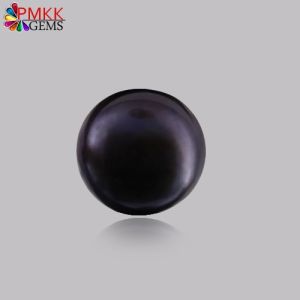
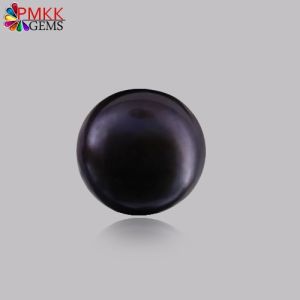
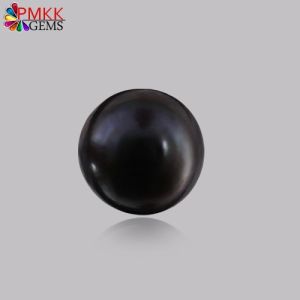
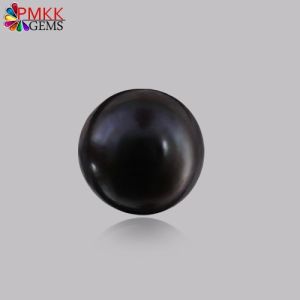
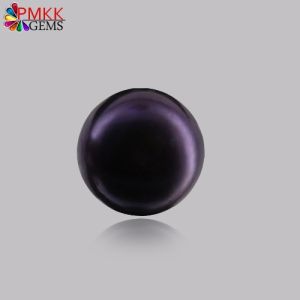
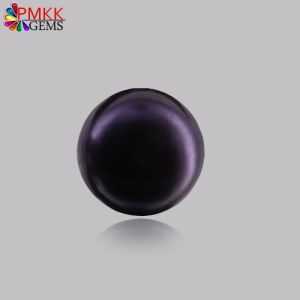
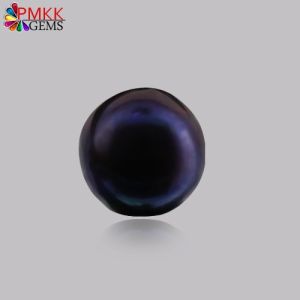
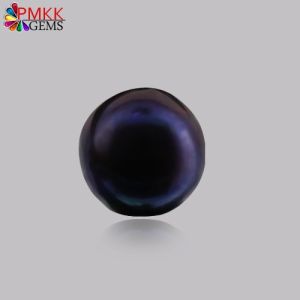
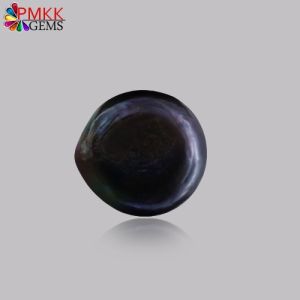
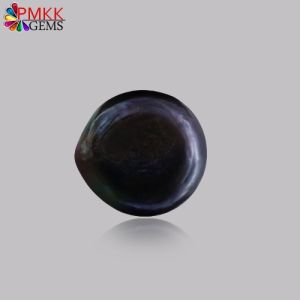
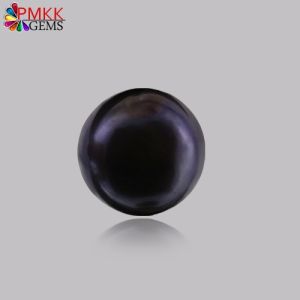
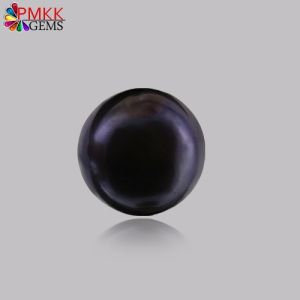
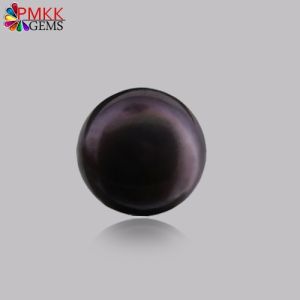
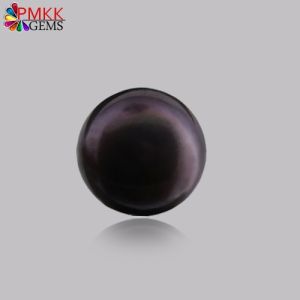
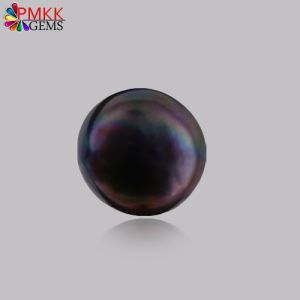
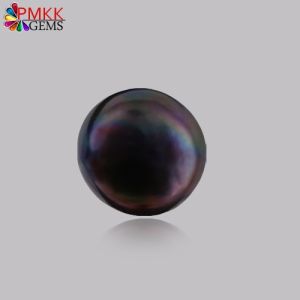
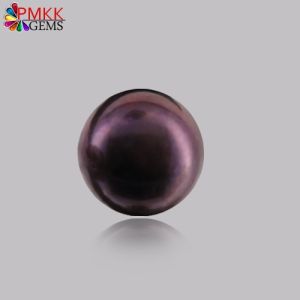
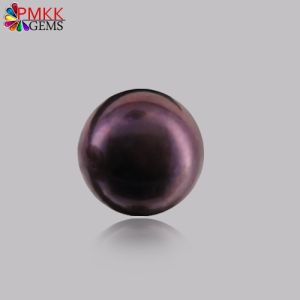
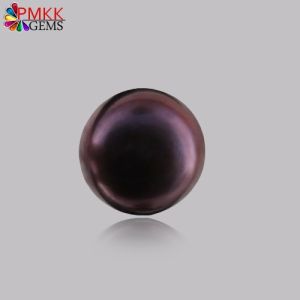
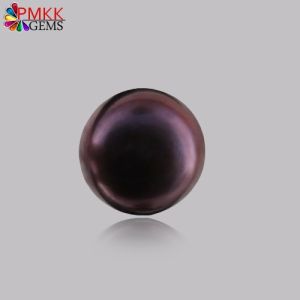
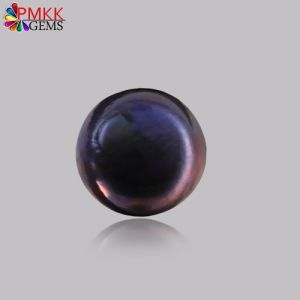
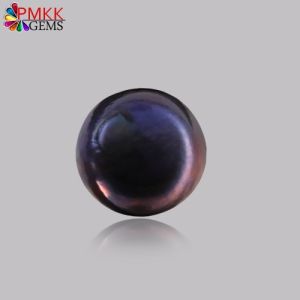
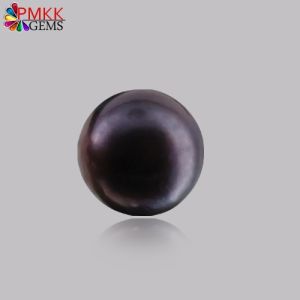
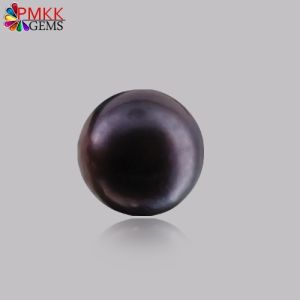
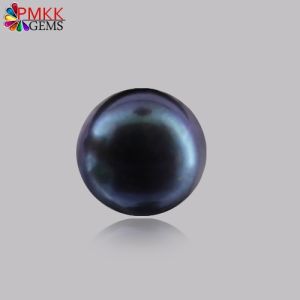
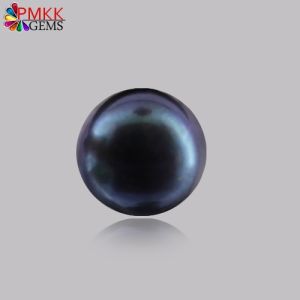
Black Pearl Stone
The black pearl, widely referred to as a black pearl stone, is quite a rare and exquisite type of pearl gemstone formed within certain species of mollusks, primarily the black-lipped oyster (Pinctada margaritifera), found in the warm waters of the South Pacific, particularly around Tahiti. Unlike traditional gemstones mined from the earth, black pearls are organic treasures created when an irritant, such as a grain of sand, enters the oyster, prompting it to secrete layers of nacre, a lustrous substance that forms the pearl’s iridescent surface.
Renowned for their deep and mysterious hues ranging from jet black to shimmering shades of green, blue, or purple, black pearls are prized for their unique beauty and rarity. Historically, they have been symbols of elegance and sophistication, often associated with luxury and worn in high-end jewelry. Their cultural significance spans from ancient Polynesian traditions, where they were considered gifts from the gods, to modern times, where they are celebrated in fashion and fine jewelry for their timeless allure.
Black Pearl Origin
Black pearls, often called “Tahitian pearls,” are among the most exotic and coveted gems in the world — though contrary to their name, they’re rarely truly black. Their story begins in the remote lagoons of French Polynesia, where the black-lipped oyster (Pinctada margaritifera) naturally produces these dark, iridescent gems. For centuries, Polynesian cultures revered these natural pearls as gifts from the sea gods, using them in ceremonial adornments and as symbols of status and power.
Commercial cultivation of natural black pearls began in the mid-20th century, pioneered by entrepreneurs in Tahiti who mastered the art of grafting and nurturing these oysters. By the 1970s, French Polynesia had established itself as the global epicenter of black pearl farming. Today, while still cultivated primarily in Tahiti, the Cook Islands, Fiji, and Micronesia also contribute to production. Each pearl takes 18–24 months to form, and only a small percentage achieve the coveted round shape and vibrant “peacock” overtones that command top prices. More than just jewelry, black pearls carry the mystique of the South Pacific — a blend of natural rarity, cultural heritage, and human ingenuity.
Black Pearl Physical Properties
|
Origin |
Primarily cultured in the black-lipped oyster (Pinctada margaritifera) found in French Polynesia (especially Tahiti), the Cook Islands, and other South Pacific regions. Naturally rare; most are cultured today. |
|
Color |
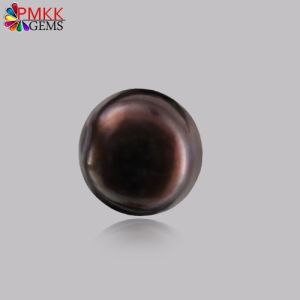
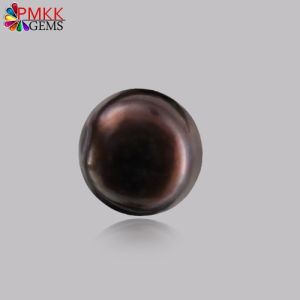
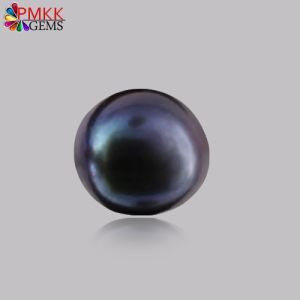
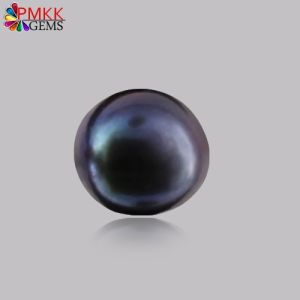
Not truly black — ranges from charcoal gray to deep green, peacock, aubergine, or blue overtones. “Peacock green” is highly prized. |
|
Luster |
High to very high luster with a metallic or mirror-like shine when of top quality. |
|
Size |
Typically 8–14 mm; can exceed 16 mm in rare cases. Larger than most freshwater or Akoya pearls. |
|
Shape |
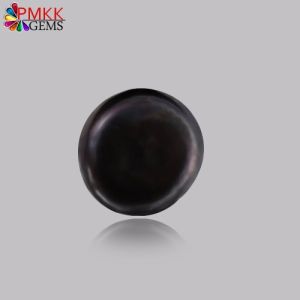
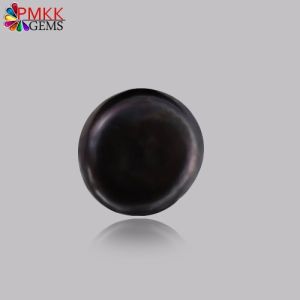
Varies: round, near-round, drop, baroque, and circle pearls are common. Perfectly round are rare and valuable. |
|
Surface |
May have slight blemishes or rings; flawless surfaces are uncommon and command premium prices. |
|
Nacre Thickness |
Generally thick (often >0.8 mm), contributing to durability and deep luster. |
|
Hardness (Mohs) |
2.5–4.5 — relatively soft; |
|
Composition |
Calcium carbonate (aragonite) in layers, with conchiolin and water. Formed as a response to an irritant in the oyster. |
|
Cultivation Time |
18–24 months on average; longer cultivation can produce larger, higher-quality pearls. |
Black Pearl Stone Price
The price of a black pearl — often marketed as a “Tahitian pearl” — is determined by a combination of natural beauty, rarity, and craftsmanship. Unlike mass-produced gems, each black pearl is unique, and its value hinges on several key factors:
Luster – The sharpness and intensity of a pearl’s surface glow is paramount. High luster, with a mirror-like reflection, dramatically increases value.
Color & Overtone – While called “black,” these pearls display a spectrum: peacock green, aubergine, silver, blue, or pistachio. “Peacock” (green-to-purple iridescence) is the most prized and expensive.
Size – Larger pearls (10mm and above) are rarer and more valuable. Sizes over 14mm can command premium prices, especially if other qualities are excellent.
Shape – Perfectly round pearls are the rarest and most costly. Near-round, drop, or baroque shapes are more common and less expensive — though artistic baroques are gaining popularity.
Surface Quality – Fewer blemishes, spots, or wrinkles mean higher value. Flawless or “clean” surfaces are exceptionally rare in natural gems like black pearls.
Nacre Thickness – Thicker nacre (usually >0.8mm) ensures durability and richer color play. Thin nacre risks chipping and dull appearance.
Matching (for strands) – Uniformity in color, size, luster, and shape across a necklace or bracelet significantly increases cost due to the difficulty of matching pearls.
Origin & Certification – Pearls from reputable farms in French Polynesia with gemological certification (e.g., GIA or Tahitian Pearl Observatory) carry added assurance and value.
Benefits of Black Pearl Stone
Beyond its striking beauty and luxurious appeal, black pearls are believed to offer a range of physical, emotional, and spiritual benefits. While some benefits are rooted in cultural and metaphysical traditions, others are tied to their aesthetic and psychological impact.
Emotional Balance and Stress Relief: Black pearls are often associated with calming energies in metaphysical practices. They are believed to help soothe emotional turmoil, reduce stress, and promote inner peace.
Enhances Intuition and Wisdom: In various spiritual traditions, black pearls are linked to enhanced intuition and wisdom. They are believed to stimulate the third eye chakra, which governs insight and perception.
Protection from Negative Energies: Black pearls are often considered protective talismans. In metaphysical beliefs, they are thought to absorb and neutralize negative energies, shielding the wearer from harmful influences or toxic environments.
Boosts Confidence and Self-Esteem: The elegant and sophisticated appearance of black pearls can have a profound psychological impact. Wearing black pearl jewelry, such as necklaces, earrings, or rings, can enhance a person’s sense of style and confidence.
Symbol of Prosperity and Success: In many cultures, black pearls are symbols of wealth, prosperity, and success due to their rarity and value. Wearing them is believed to attract abundance and opportunities, particularly in career or financial endeavors.
How To Wear Black Pearl Gemstone
Black pearls (primarily Tahitian pearls) are incredibly versatile. Their dark, iridescent colors make a statement without being overpowering.
Keep it Simple: Let the pearl be the star. Pair a single strand or a statement piece with a simple outfit like a little black dress, a crisp white shirt, or a neutral sweater. This allows their unique color and luster to shine.
Mix Metals: Black pearls look stunning with both silver (white gold/platinum) and yellow gold. Don't be afraid to choose jewelry that incorporates both for a modern look.
Layer Thoughtfully: Layer a black pearl necklace with other delicate chains or a shorter strand of white pearls for a sophisticated, textured look.
Modern & Casual: Black pearls aren't just for formal events. Wear a single pearl pendant, stud earrings, or a simple ring with jeans and a blazer for an elevated, everyday look.
Complement the Overtone: Notice the pearl's secondary colors (peacock, green, aubergine). Choose clothing in colors that complement these hues—like charcoal grey, deep emerald, or plum—to enhance their beauty.
Frequently Asked Questions:
Why is black pearl so special?
Black pearls are special due to their rarity, unique iridescent hues (black with green, blue, or purple overtones), and organic formation in black-lipped oysters (Pinctada margaritifera). Their exotic beauty, cultural significance in Polynesian traditions, and association with luxury make them highly prized.
Is black pearl expensive?
Yes, black pearls are often expensive due to their rarity, complex cultivation process, and high demand in fine jewelry. Prices vary based on size, luster, shape, and quality, ranging from hundreds to thousands of dollars per pearl.
How to tell if a black pearl is real?
To identify a real black pearl, check for: Luster: Real pearls have a deep, reflective shine with subtle color overtones.
Surface: Authentic pearls may have minor imperfections, unlike flawless fakes.
Tooth Test: Gently rub the pearl against your teeth; real pearls feel slightly gritty, while fakes feel smooth.
Weight: Real pearls are heavier than plastic imitations.
For certainty, consult a gemologist or use professional testing like X-ray or UV fluorescence.
Who should not wear black pearls?
In metaphysical beliefs, black pearls may not suit individuals with highly sensitive energies or those prone to melancholy, as their calming properties could amplify introspection. Astrologically, some traditions suggest avoiding them if they conflict with one’s birth chart (consult an astrologer). Otherwise, they are generally safe for most people.
What does a black pearl symbolize?
Black pearls symbolize mystery, elegance, protection, and transformation. In Polynesian culture, they represent divine gifts and prosperity. Spiritually, they signify emotional balance, wisdom, and resilience, often associated with turning challenges into beauty.
Black Pearl Stone

Filter
Shopping Options

Customer Reivews

"I recently purchased an emerald from PMKK gems and I couldn’t be more satisfied with my experience. The quality of the gemstone is absolutely remarkable—clear, vibrant, and flawless. It’s evident that they only deal in the finest gemstones.I highly recommend this store to anyone looking for high-quality gemstones and expertly crafted, bespoke jewellery. Highly recommended. "
- Vinesh V
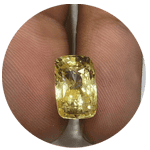
" Recently purchased a top quality 7.7 carat yellow sapphire from pmkk gems and I am extremely satisfied with quality and price of the piece. They also provided gem lab report to which erased all my doubts regarding authenticity. I strongly recommend pmkk gems name to anyone who is looking for purchasing premium quality rashi ratan. "
- Mukesh Soni

" I was afraid to shop ring online .whether it will be really genuine or not but to my surprise pmkk gems send it with a super secure packing and the built quality is awesome and finishing of the ring is outstanding.I'm really impressed! "
- ZESTY VINES

"This place has an incredible selection of gemstones—the best I’ve seen around. It definitely helps if you know what you’re looking for and have some knowledge about gems, but Harsh is great at guiding you to the right choice. I highly recommend this shop for gem shopping! It’s a little off the beaten path, but absolutely worth it. The prices are reasonable for the quality, and they even managed to set the gems I chose into a pendant and ring in less than a day."
- Mark Jamiel

" Just receive this nice imperial topaz ring from Tham and it was cost 45k. I did order it from South Africa. Overall experience was nice. Akanksha was very helpful and provide a good service. Only complaint is I think they little expensive with stone but I'm happy with it. I did receive good and clear quality stone"
- Lutfur Rahman Rana

"This place has an incredible selection of gemstones—the best I’ve seen around. It definitely helps if you know what you’re looking for and have some knowledge about gems, but Harsh is great at guiding you to the right choice. I highly recommend this shop for gem shopping! It’s a little off the beaten path, but absolutely worth it. The prices are reasonable for the quality, and they even managed to set the gems I chose into a pendant and ring in less than a day. "
- Knight Rider


Agate Stone
Amber Stone
Ametrine Stone
Amethyst Stone
Aquamarine
Aventurine
Bloodstone
Blue Moon Stone
Blue Topaz
Blue Zircon
Citrine (sunela)
Garnet
Green Tourmaline
Green Amethyst
Green Onyx
Imperial Topaz
Iolite (Kaka Neeli)
Irani Feroz
Labradorit
Larimar
Lapis (lazuli)
Lemon Topaz
Ocean Jasper
Opal stone
Peridot
Sulemani Hakik
Tanzanite Stone
Tiger Eye Stone
White Topaz
White Zircon
Yellow Fluorite
Yellow Topaz
Yellow Zircon
Rose Quartz