Currency

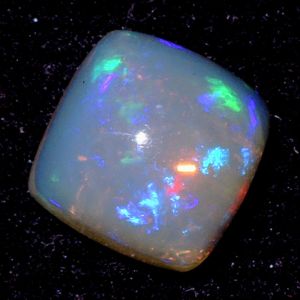
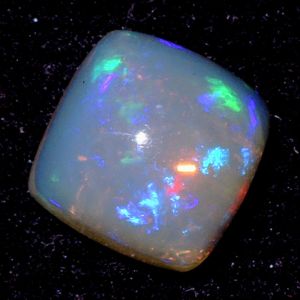
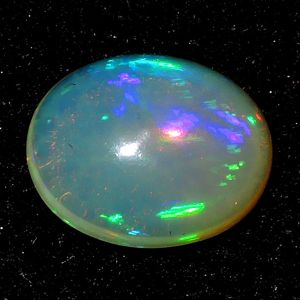
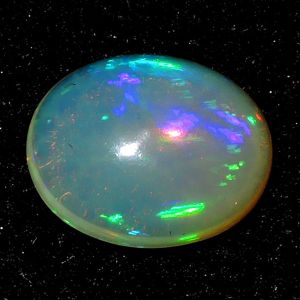
Ethiopian Opal
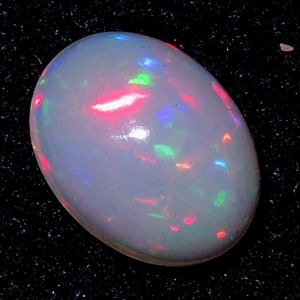
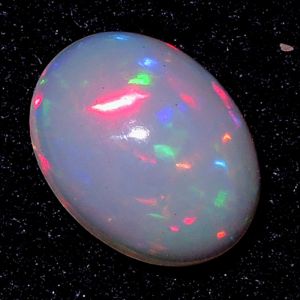
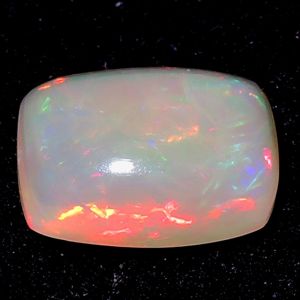
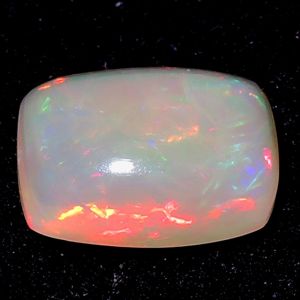
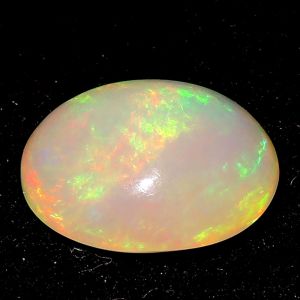
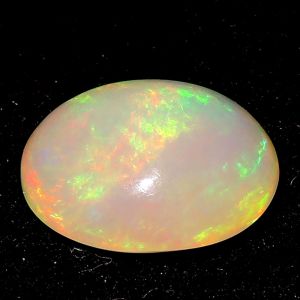
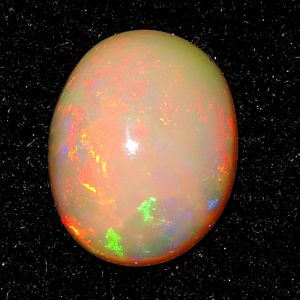
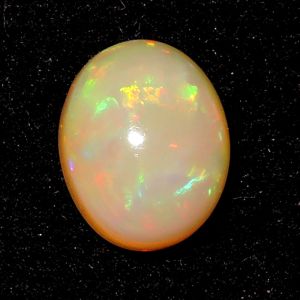
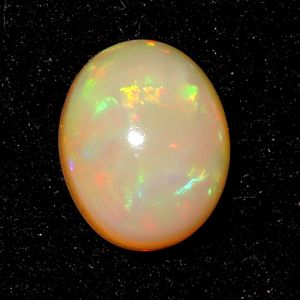
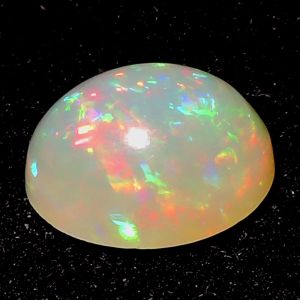
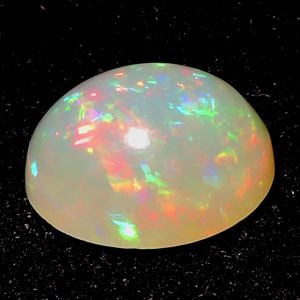
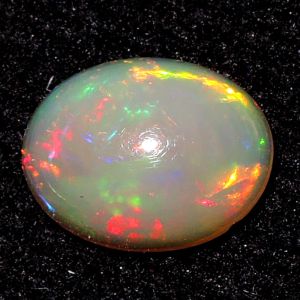
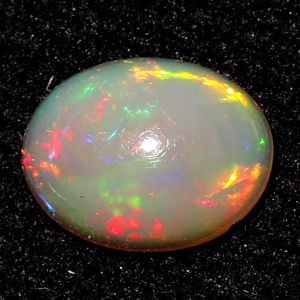
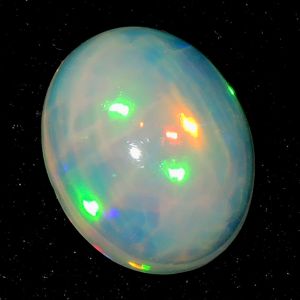
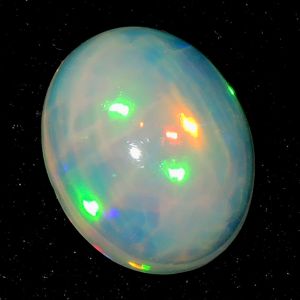
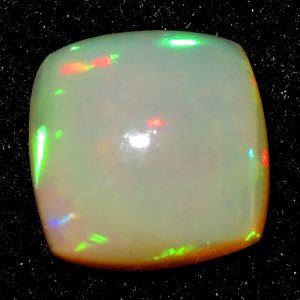
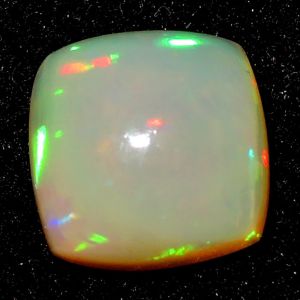
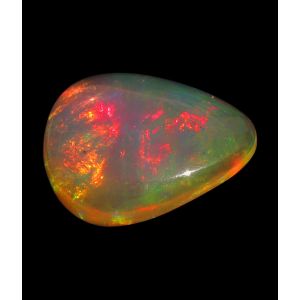
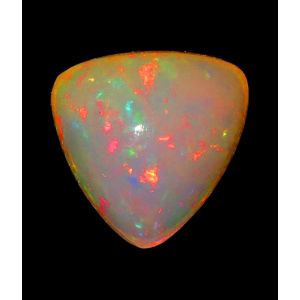
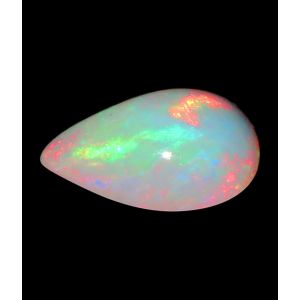
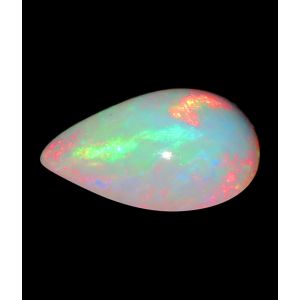
Ethiopian opal, one of the most sought-after varieties of opal stones, is primarily sourced from the rugged highlands of northern Ethiopia's Wollo Province. It is a classic hydrophane variant of precious opal, formed in volcanic rhyolite layers rather than sedimentary deposits. Ethiopian opals are majorly composed of hydrated silicon dioxide (SiO₂·nH₂O), it contains 3–21% water, enabling absorption up to 15% of its weight, which temporarily alters transparency and color— a trait distinguishing it from denser Australian opals. Discovered commercially in 2008 after initial finds in the 1990s, mining involves open-pit extraction from nodules in ash strata, yielding over 14,000 kg annually by 2012 estimates, challenging Australia's market dominance.
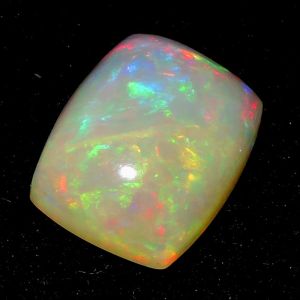
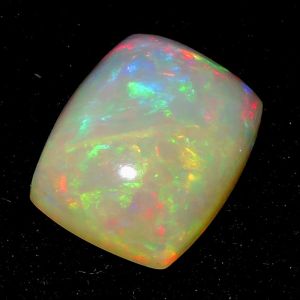
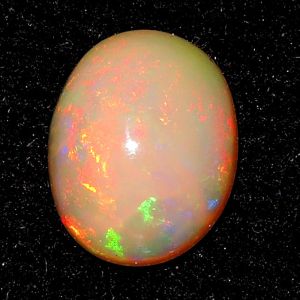
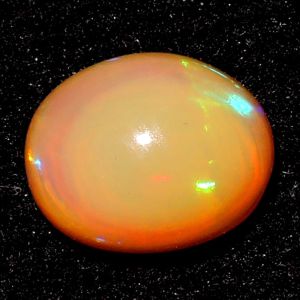
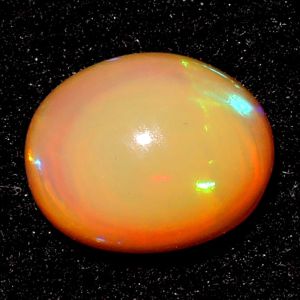
Geologically, the stunning play-of-color in Ethiopian opal arises from silica sphere diffraction, producing iridescent flashes across reds, blues, greens, and golds in a translucent base, with body tones from honey yellow to chocolate brown. This gemstone has a Mohs hardness of 5.5–6.5, specific gravity 1.9–2.2, and refractive index 1.37–1.52, making it suitable for cabochons or beads that showcase internal fire. Wollo opals, the dominant type in Ethiopian opals, exhibit distinct broad patterns like broad flash or snake, prized for jewelry due to their lively optics.
The Value of original Ethiopian gemstones principally hinges on pattern intensity, clarity, and size; untreated stones fetch $50–$1,000 per carat, with hydrophane stability enhanced by stabilization treatments. Ethical concerns arise from high-altitude artisanal mining risks, prompting calls for certified sources. Ethiopian opal benefits linked with hope and emotional balance. Ethiopian opal's volcanic origin infuses it with dynamic energy, ideal for modern designs blending rarity and vivid display.
Ethiopian Opal Price
Ethiopian opal prices have surged drastically in recent years all thanks to the gem’s dazzling play-of-color and unique origin story. Known for its vibrant flashes of rainbow hues against a translucent to milky body, Ethiopian opal is primarily mined in the Wollo and Shewa regions. The value hinges on several key factors: brightness and diversity of color, pattern type (such as harlequin or floral), transparency, and stone stability.
Opals with intense red or orange flashes are typically more valuable than those with only blue or green. Since Ethiopian opals are often hydrophane, their sensitivity to water and potential for cracking can affect pricing—stable, treated, or well-cured stones command higher premiums. Size, cut quality, and whether the opal is natural or synthetic also play crucial roles. With increasing demand from designers and collectors worldwide, high-quality Ethiopian opals offer exceptional beauty and growing investment appeal in today’s gem market.
Ethiopian Opal
Subscribe to RSS Feed
Filter
Shopping Options



Customer Reivews

"I recently purchased an emerald from PMKK gems and I couldn’t be more satisfied with my experience. The quality of the gemstone is absolutely remarkable—clear, vibrant, and flawless. It’s evident that they only deal in the finest gemstones.I highly recommend this store to anyone looking for high-quality gemstones and expertly crafted, bespoke jewellery. Highly recommended. "
- Vinesh V
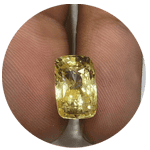
" Recently purchased a top quality 7.7 carat yellow sapphire from pmkk gems and I am extremely satisfied with quality and price of the piece. They also provided gem lab report to which erased all my doubts regarding authenticity. I strongly recommend pmkk gems name to anyone who is looking for purchasing premium quality rashi ratan. "
- Mukesh Soni

" I was afraid to shop ring online .whether it will be really genuine or not but to my surprise pmkk gems send it with a super secure packing and the built quality is awesome and finishing of the ring is outstanding.I'm really impressed! "
- ZESTY VINES

"This place has an incredible selection of gemstones—the best I’ve seen around. It definitely helps if you know what you’re looking for and have some knowledge about gems, but Harsh is great at guiding you to the right choice. I highly recommend this shop for gem shopping! It’s a little off the beaten path, but absolutely worth it. The prices are reasonable for the quality, and they even managed to set the gems I chose into a pendant and ring in less than a day."
- Mark Jamiel

" Just receive this nice imperial topaz ring from Tham and it was cost 45k. I did order it from South Africa. Overall experience was nice. Akanksha was very helpful and provide a good service. Only complaint is I think they little expensive with stone but I'm happy with it. I did receive good and clear quality stone"
- Lutfur Rahman Rana

"This place has an incredible selection of gemstones—the best I’ve seen around. It definitely helps if you know what you’re looking for and have some knowledge about gems, but Harsh is great at guiding you to the right choice. I highly recommend this shop for gem shopping! It’s a little off the beaten path, but absolutely worth it. The prices are reasonable for the quality, and they even managed to set the gems I chose into a pendant and ring in less than a day. "
- Knight Rider


Agate Stone
Amber Stone
Ametrine Stone
Amethyst Stone
Aquamarine
Aventurine
Bloodstone
Blue Moon Stone
Blue Topaz
Blue Zircon
Citrine (sunela)
Garnet
Green Tourmaline
Green Amethyst
Green Onyx
Imperial Topaz
Iolite (Kaka Neeli)
Irani Feroz
Labradorit
Larimar
Lapis (lazuli)
Lemon Topaz
Ocean Jasper
Opal stone
Peridot
Sulemani Hakik
Tanzanite Stone
Tiger Eye Stone
White Topaz
White Zircon
Yellow Fluorite
Yellow Topaz
Yellow Zircon
Rose Quartz