
Gemstones have long been revered not just for their beauty but also for their alleged mystical and healing properties. Among these, the Gomed stone, or Hessonite Garnet, holds a special place in Vedic astrology. Known as the “stone of balance,” it is believed to ward off negative energies, enhance mental clarity, and bring stability to its wearer. However, while this captivating gemstone may seem like an attractive addition to your jewelry collection or spiritual arsenal, it’s crucial to understand that not everyone should wear it. In fact, wearing Gomed without proper guidance can do more harm than good.
The alignment of planets in your birth chart plays a pivotal role in determining whether this stone will benefit you—or backfire. For instance, those with weak or afflicted Rahu (the North Node of the Moon) might find solace in Gomed, but others could experience increased confusion, financial loss, or even health issues by wearing it indiscriminately. So, before you rush to embrace its shimmering allure, pause and ask yourself: Is Gomed truly meant for me? This blog post dives deep into who should steer clear of this enigmatic stone, unraveling the astrological intricacies and offering practical insights to ensure you make an informed choice.
A Brief Overview of Hessonite Stone
Hessonite, also known as “Gomed” or “Cinnamon Stone,” is a variety of grossular garnet. Its chemical formula is Ca₃Al₂(SiO₄)₃, belonging to the garnet mineral group. It derives its name from the Greek word “hesson” (inferior), due to its lower hardness compared to other garnets.
It is a variety of Grossular Garnet and is recognized for its deep honey-brown to reddish-orange hue. Hessonite derives its name from the Greek word “hesson,” meaning “inferior,” due to its lower density compared to other garnets. However, despite this name, gomed ratna holds significant astrological and metaphysical value.
Check Out: – Gomed Stone Side Effects
The Astrological Lens: Rahu’s Role and Gomed’s Power
In Vedic astrology, Rahu is a shadow planet—a karmic force without a physical body, symbolizing the “Dragon’s Head.” It governs ambition, illusion, confusion, and unconventional paths, often amplifying material desires or spiritual breakthroughs depending on its placement in one’s birth chart (Kundli). Gomed is believed to harness Rahu’s energy, mitigating its malefic effects when poorly positioned or enhancing its benefits when strong. For individuals experiencing Rahu Mahadasha or Antardasha—periods when Rahu’s influence peaks—Gomed is often prescribed to counter obstacles, addiction, or mental unrest.
Yet, this association with Rahu is precisely why Gomed isn’t universally beneficial. The stone’s energy resonates with specific planetary alignments and zodiac signs, making it incompatible or even harmful to others. According to astrological consensus, certain groups should avoid Gomed unless explicitly advised otherwise by an expert astrologer.
Who Should Not Wear Hessonite Stone
Zodiac Signs and Planetary Conflicts
Astrologers frequently caution that Gomed may not suit individuals born under certain zodiac signs, particularly where Rahu’s influence clashes with the ruling planets. While interpretations vary, the following signs are often flagged:
Peek Here: – Gomed Stone For Which Rashi or Zodiac Sign
Taurus (Vrishabha), Virgo (Kanya), Libra (Tula), and Capricorn (Makara): Some sources suggest these signs should avoid Gomed due to Rahu’s enmity with their ruling planets—Venus (Taurus and Libra), Mercury (Virgo), and Saturn (Capricorn). For example, Rahu’s chaotic energy might disrupt Venus’s harmony or Mercury’s logic, potentially leading to emotional turmoil or financial instability.
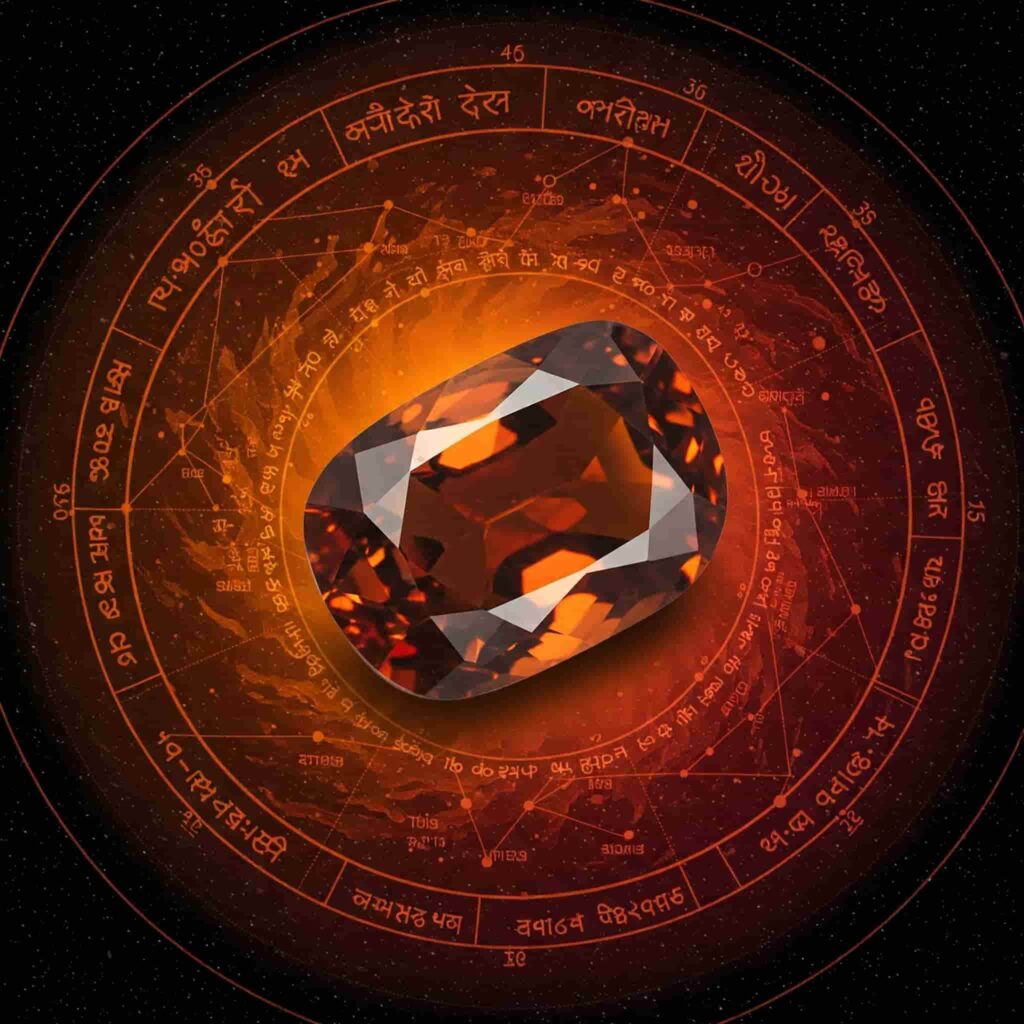
Aries (Mesha), Leo (Simha), Scorpio (Vrishchika), and Sagittarius (Dhanu): These signs, ruled by Mars (Aries and Scorpio), the Sun (Leo), and Jupiter (Sagittarius), may experience heightened aggression, mental unrest, or spiritual misalignment if Rahu’s influence is amplified by Gomed. Rahu’s shadowy nature is said to oppose the fiery clarity of the Sun or Jupiter’s benevolence.
Cancer (Karka) and Pisces (Meena): Governed by the Moon and Jupiter, respectively, these signs might find Gomed’s stimulation overwhelming, potentially exacerbating emotional sensitivity or confusion.
However, this isn’t a blanket rule. The suitability of Gomed hinges on Rahu’s placement in the individual’s birth chart, not just their Sun sign. For instance, if Rahu occupies the 6th, 8th, or 12th house—considered malefic positions—wearing Gomed without guidance could intensify difficulties rather than alleviate them. Conversely, a strong Rahu in the 3rd, 6th, or 10th house might make Gomed a powerful ally. This complexity underscores a critical point: generalized prescriptions are risky, and personal consultation is non-negotiable.
Specific Life Circumstances Individuals Avoid Wearing Gomed
Beyond zodiac signs, certain life stages or conditions may render hessonite gemstone inadvisable:
Pregnant Women: A persistent superstition links Gomed to Rahu’s “demonic” nature, suggesting it could harm pregnant women or their unborn children. While this lacks empirical grounding, astrologers often err on the side of caution, citing Rahu’s unpredictable energy as a potential disruptor during pregnancy’s delicate balance.
Children Under 16 (or 25): Many experts argue that Gomed’s intensity is wasted on young children, whose astrological charts and life paths are still unfolding. Some set the threshold at 16, others at 25, reflecting differing views on when Rahu’s influence becomes relevant or manageable.
Individuals with Weak Rahu or Conflicting Planets: If Rahu is debilitated in one’s chart or conjunct with planets like the Moon, Sun, Mars, or Mercury, Gomed might amplify negative traits—depression, aggression, or mental fog—rather than harmonize them. For example, a Rahu-Moon combination could heighten emotional instability, while Rahu-Mars might spark physical or relational strife.
Those Not Facing Rahu’s Influence: If an individual isn’t undergoing Rahu Mahadasha or Antardasha, or if Rahu is neutrally positioned, wearing Gomed might unnecessarily stir dormant energies, inviting chaos where none existed.
Never Miss: – Gomed Stone in Which Finger To Wear
When Gomed Stone Showcase Side Effects
Gomed’s allure lies in its promise of transformation, but its detractors highlight tangible risks when misused. Reported side effects include:
Mental and Emotional Turbulence: Wearers have described irritability, depression, or insomnia, attributed to Gomed’s stimulation of the brain and nervous system. This aligns with Rahu’s reputation for unsettling the mind.
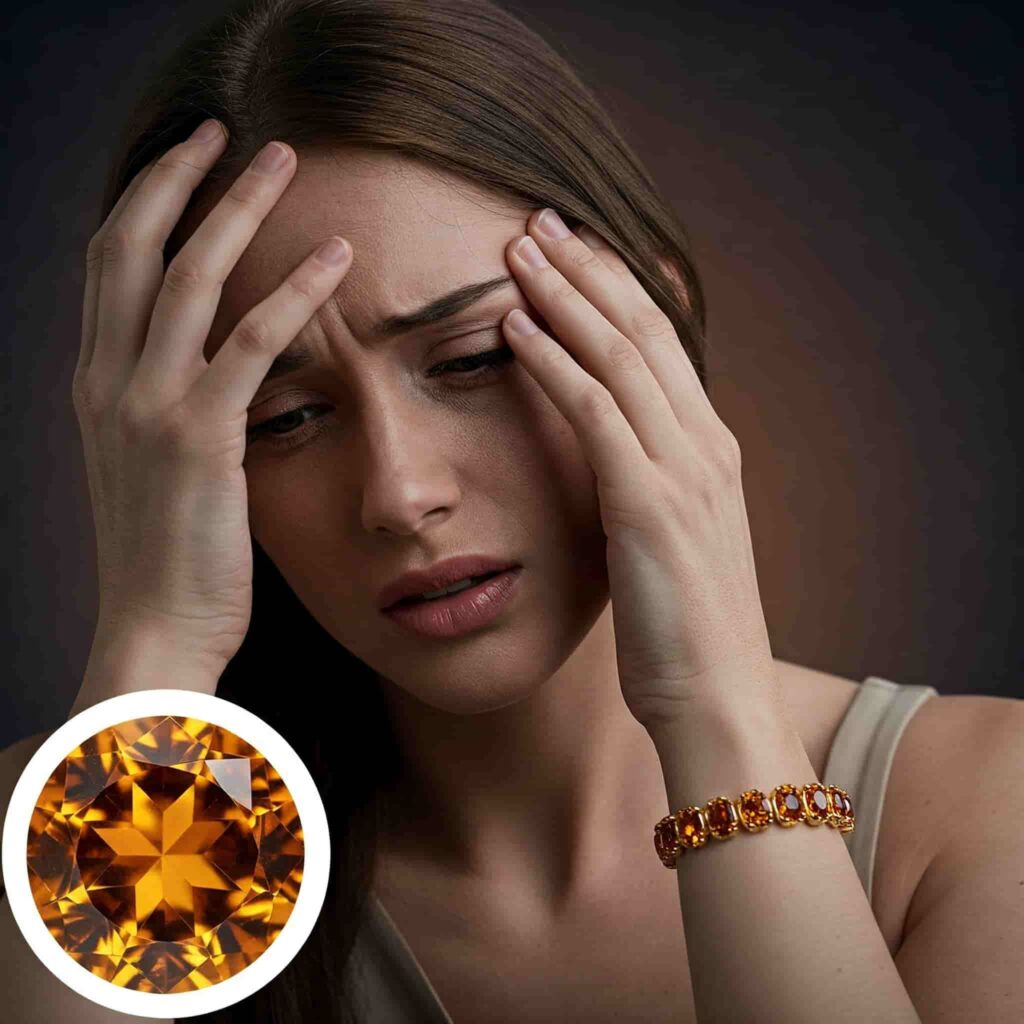
Physical Discomfort: Headaches, dizziness, or digestive issues may emerge, possibly due to an energetic mismatch or the stone’s influence on blood flow and metabolism.
Life Disruptions: Increased hardships—financial losses, relationship conflicts, or career setbacks—can signal that Gomed is amplifying Rahu’s malefic aspects rather than neutralizing them.
These effects aren’t universal but serve as red flags. If they arise, astrologers recommend removing the stone and reassessing its suitability, reinforcing the need for expert oversight.
Conclusion
Hessonite is a powerful astrological gemstone that holds immense significance in Vedic astrology. When worn correctly, it can mitigate the negative effects of Rahu, bringing clarity, success, and stability to the wearer’s life. However, it is crucial to seek astrological guidance before wearing Hessonite to ensure it aligns with one’s birth chart and planetary influences. With the right approach, this mystical gemstone can unlock new opportunities and protect against adversities linked to Rahu’s malefic impact.
Also Read: – Gomed Stone Benefits for Female
