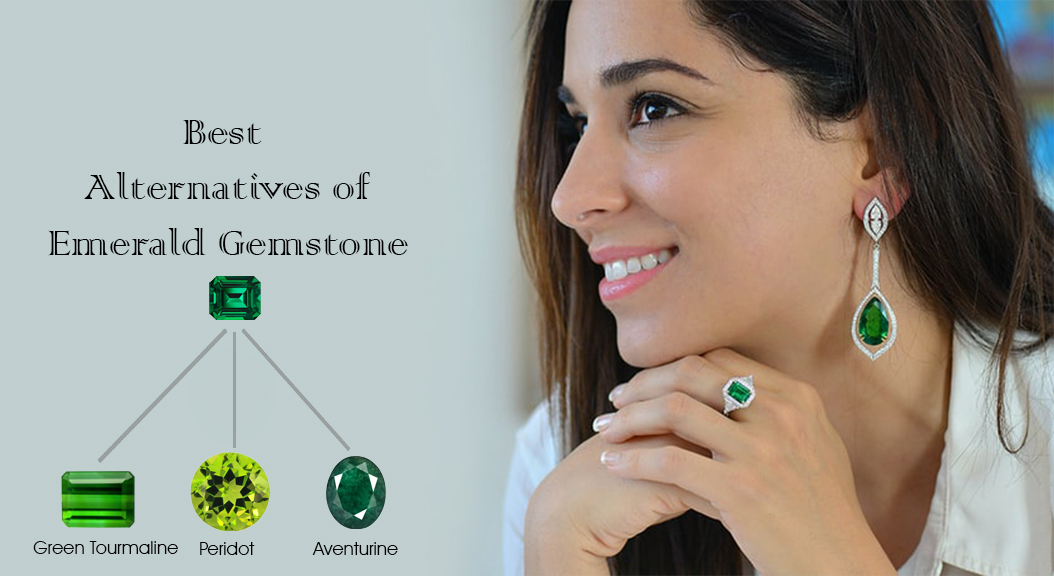
Panna Stone Substitutes: Emeralds have always been the apple of the eyes for gem enthusiasts since time immemorial. With its mesmerizing & eye-pleasing green hue, a panna stone symbolizes renewal, prosperity, and timeless elegance. Prized since ancient times, these precious gemstones have adorned royalty and inspired legends, from Cleopatra’s fabled mines to the treasures of the Mughal emperors. Yet, their rarity and cost can place them out of reach for many enthusiasts, sparking a quest for worthy substitutes that echo their allure without breaking the bank. Enter the fascinating world of emerald alternatives—stones and materials that mimic the vibrant charm of emeralds while offering unique qualities of their own.
Whether you’re a jewelry lover seeking affordable options, a collector exploring variety, or simply curious about gemstone doppelgängers, these substitutes of panna gemstones provide a dazzling array of choices. From natural gems like green tourmaline and peridot to lab-created wonders like cubic zirconia and synthetic emeralds, each alternative brings its own story, brilliance, and appeal. Beyond aesthetics, these substitutes often boast practical advantages—greater durability, ethical sourcing, or a lighter price tag—making them ideal for everyday wear or sustainable collections. In this blog post, we’ll dive into the best original emerald stone substitutes, uncovering their origins, properties, and why they’re stealing the spotlight in modern jewelry. Get ready to discover how these gems can rival the iconic emerald, offering beauty, value, and versatility that shine just as brightly.
Top Panna Stone Substitutes
Peridot Gemstone
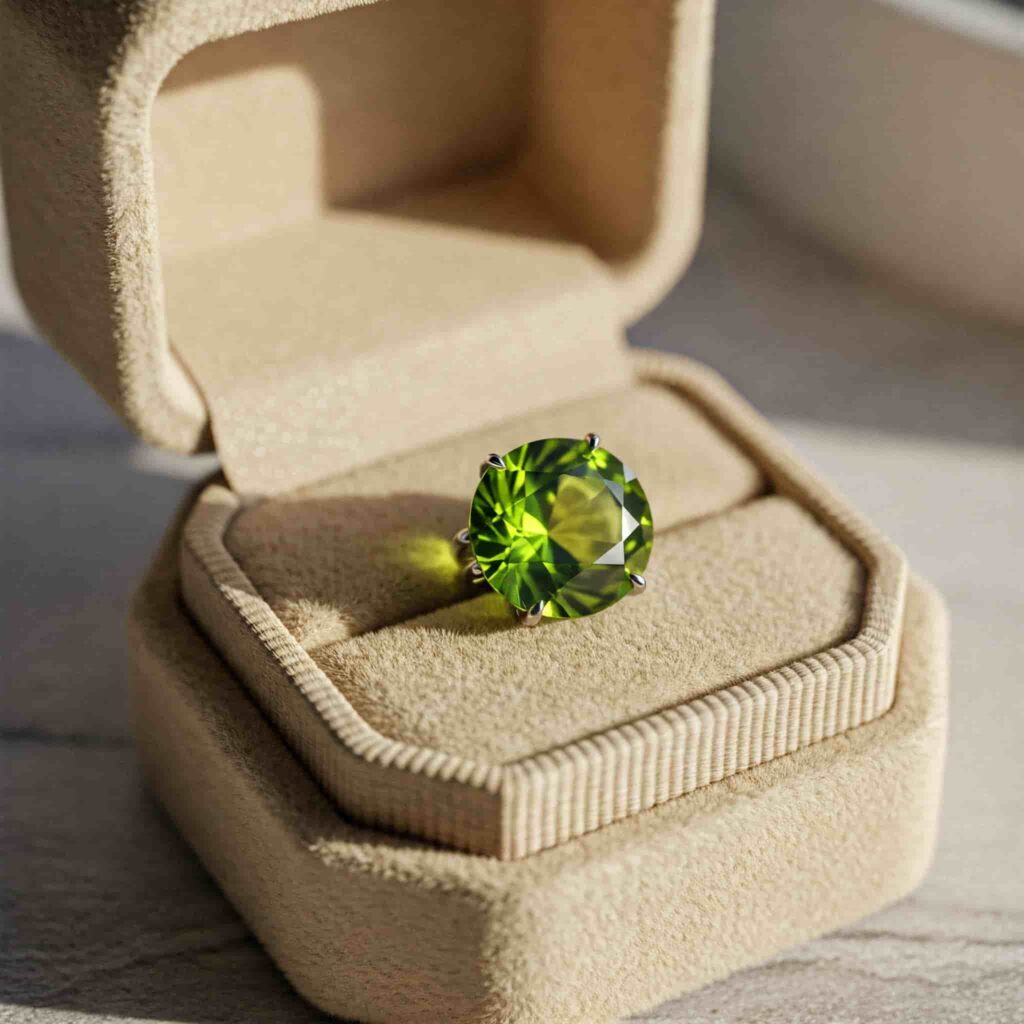
Peridot, a gem-quality variety of the mineral olivine, is a striking alternative for emerald due to its vibrant green hues and accessibility. Composed of magnesium iron silicate, peridot ranges in color from yellowish-green to olive green, with some stones exhibiting a bright “lime” tone reminiscent of fresh spring foliage. Unlike emerald, which derives its iconic bluish-green color from chromium and vanadium, peridot’s green is caused by iron impurities. Mined in locations like Arizona (USA), Pakistan, and Myanmar, peridot stone has a moderate hardness of 6.5–7 on the Mohs scale, making it softer than emerald but still suitable for jewelry with protective settings.
Read Worthy:- Substitute of Manik Stone
While it lacks the deep saturation of emerald, its clarity often surpasses that of heavily included emeralds, offering a more transparent appearance. Peridot is considered a practical substitute due to its affordability, ethical sourcing advantages, and metaphysical associations with renewal and prosperity—qualities that parallel emerald’s symbolism of growth and harmony. Its lively, youthful green hue also appeals to modern jewelry designs, providing a fresh alternative for those seeking emerald-like beauty without the premium cost.
Green Tourmaline
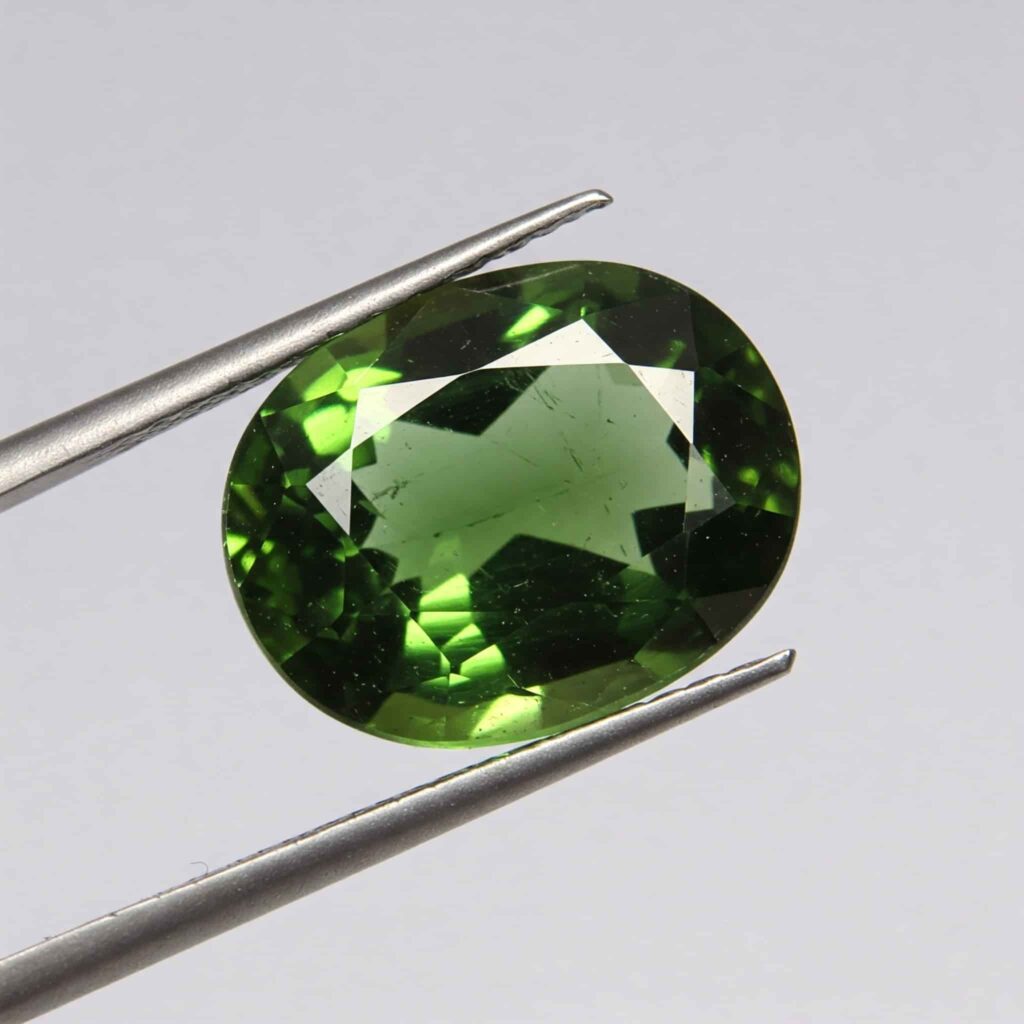
Green tourmaline, particularly chromium-rich “chrome tourmaline,” is one of the closest and most preferred visual substitutes for emerald stone, boasting a rich, saturated green that rivals the finest panna. This boron silicate mineral, found in Brazil, Nigeria, and Afghanistan, displays a spectrum of green shades—from soft mint to deep forest green—depending on trace elements like chromium, iron, or vanadium.
Green tourmaline is typically cleaner than emerald, lacking the pronounced inclusions (jardin) that characterize many emeralds. Its pleochroism, which reveals subtle color shifts under different angles, adds a dynamic quality absent in emerald. As a substitute, it appeals for its color fidelity, ethical advantages (as it is less frequently treated with oils or resins), and metaphysical reputation as a stone of protection and creativity. These traits make it a versatile choice for both traditional and contemporary jewelry, offering emerald’s elegance with fewer practical drawbacks.
Don’t Forget to Read: – Panna Stone Benefits
Green Aventurine Stone
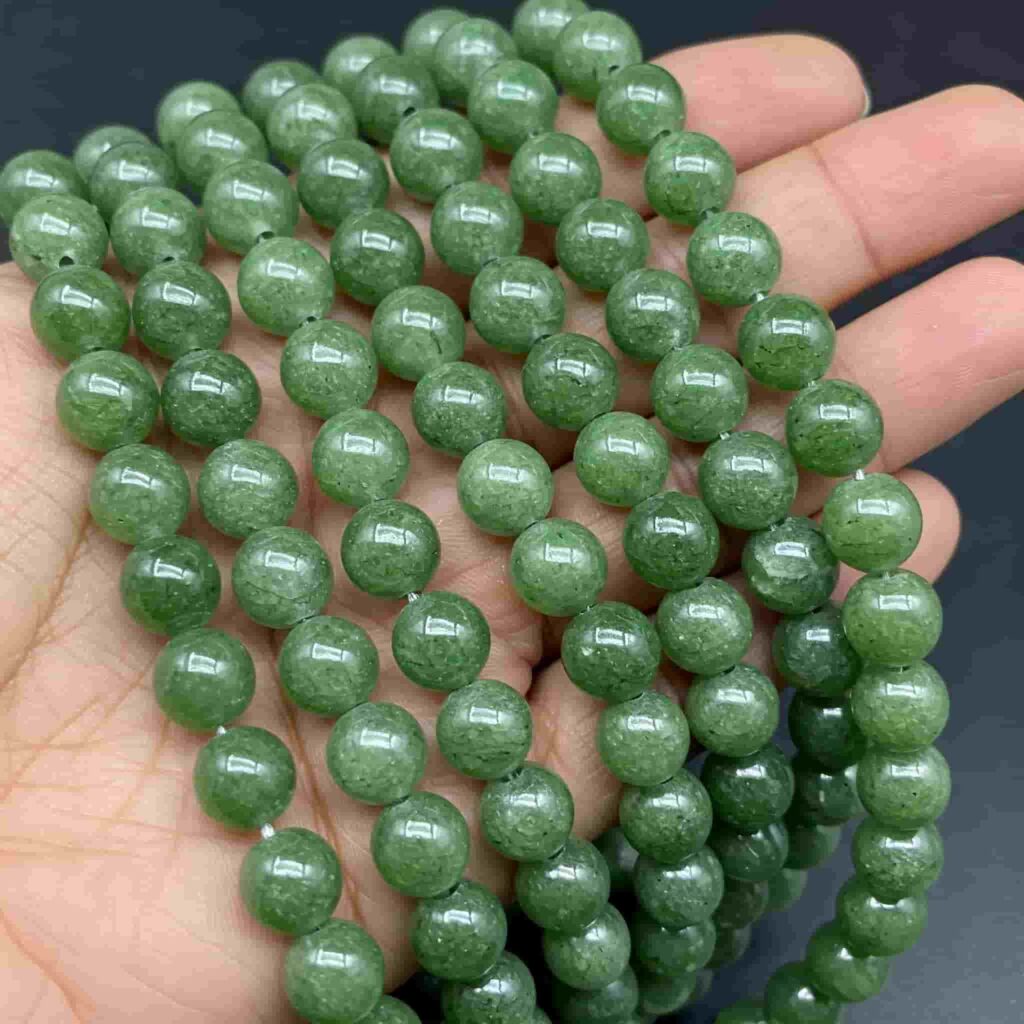
Green aventurine, a quartz variety speckled with shimmering fuchsite (chromium mica) inclusions, serves as an accessible and mystical alternative to the emerald. Its opaque, light to medium green body color, combined with a glittery “aventurescence” effect, creates a unique aesthetic distinct from emerald’s transparent depth. Mined in India, Brazil, and Russia, aventurine has a hardness of 6.5–7, making it suitable for cabochons, beads, and carvings rather than faceted designs.
While it lacks emerald’s color intensity, its sparkling texture offers a whimsical charm, often likened to a “starry night.” Green aventurine is prized for its affordability and low maintenance, requiring no special care compared to emerald’s sensitivity to heat and chemicals. Metaphysically, it is celebrated as a “stone of opportunity,” believed to attract luck and abundance—a quality that aligns with emerald’s historical ties to wealth and vitality.
Tsavorite
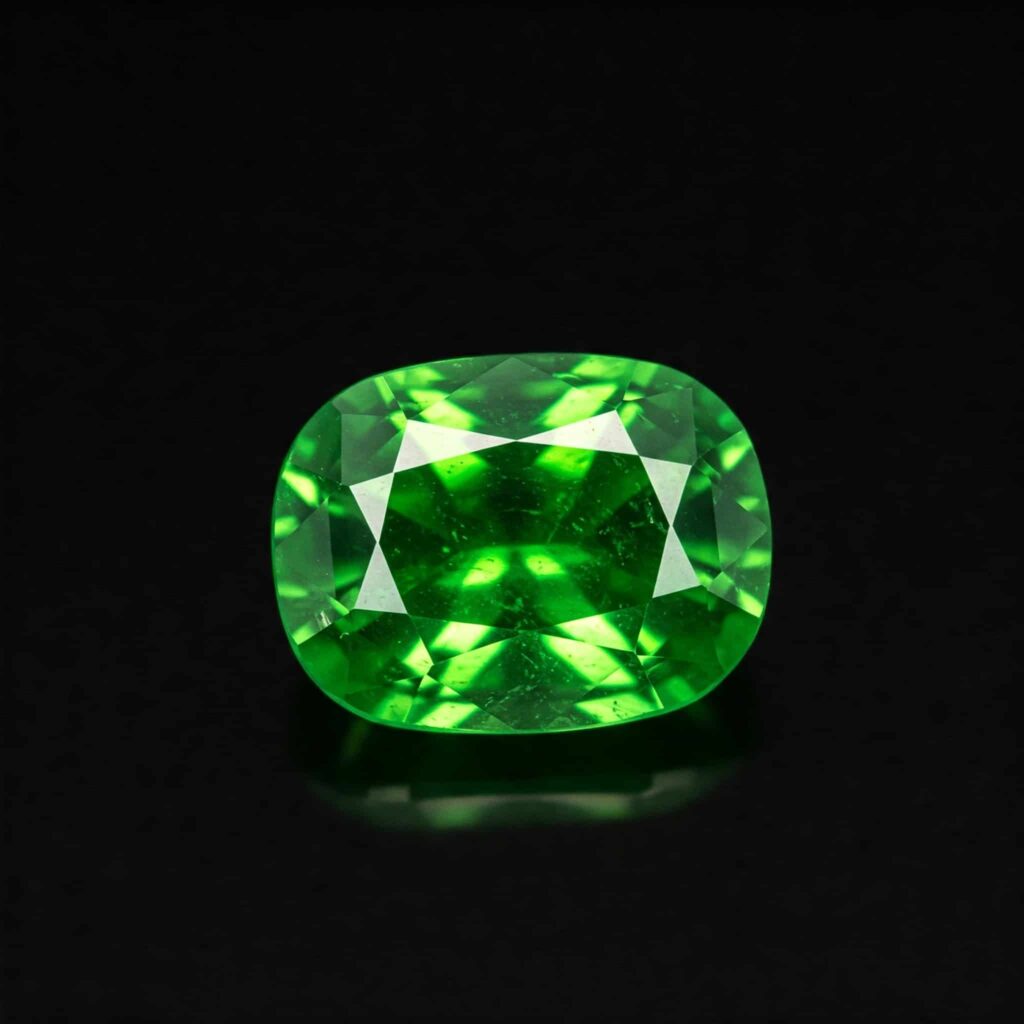
Tsavorite is a rare and valuable green variety of garnet known for its rich, vivid green color and excellent brilliance. Discovered in the 1960s in East Africa, primarily in Kenya and Tanzania, Tsavorite has gained popularity as a premium alternative to emerald due to its stunning visual appeal and durability. Unlike emeralds, which often contain inclusions and require oil treatment to enhance clarity, Tsavorite is typically eye-clean, making it a desirable choice for those seeking a flawless gemstone.
With a hardness of 7 to 7.5 on the Mohs scale, Tsavorite stone is durable enough for everyday jewelry. It offers metaphysical benefits similar to emerald, such as attracting prosperity, promoting love, and enhancing intuition. Its strong green hue resonates with the Heart Chakra, making it an ideal substitute for those who seek the positive energies associated with emeralds.
Green Sapphire
Green Sapphire, a lesser-known but equally fascinating variety of corundum, offers a rich green color that ranges from pale to deep forest green. With an exceptional hardness of 9 on the Mohs scale, Green Sapphire is more durable than emerald, making it an excellent choice for long-term wear, especially in rings and everyday jewelry. This gemstone is associated with wisdom, tranquility, and spiritual growth, aligning well with the astrological significance of emerald. Green Sapphire is also free from significant inclusions and does not require enhancements, unlike emeralds, which often need clarity treatments. Astrologically, it can be used as an alternative to Panna for enhancing communication skills, intellect, and creativity. Its high durability and striking beauty make it a superior substitute for those seeking a lasting gemstone with the same mystical benefits as emerald.
Don’t Miss: – Top Yellow Sapphire Substitutes
Green Zircon
Green Zircon is a natural gemstone admired for its diamond-like brilliance and strong dispersion, giving it an eye-catching sparkle. While zircon is often mistaken for synthetic cubic zirconia, Green Zircon is a naturally occurring gemstone with a hardness of 6 to 7.5 on the Mohs scale. Its vibrant green color makes it an attractive alternative to emerald, particularly for those looking for a more affordable yet visually appealing option.
Green Zircon is known for its metaphysical properties, such as boosting self-confidence, improving focus, and promoting wisdom. It is also linked to Venus and Mercury, making it astrologically beneficial for those who require the influences of emerald. However, due to its relatively lower hardness, it requires careful handling and protective settings when used in jewelry.
Green Jade
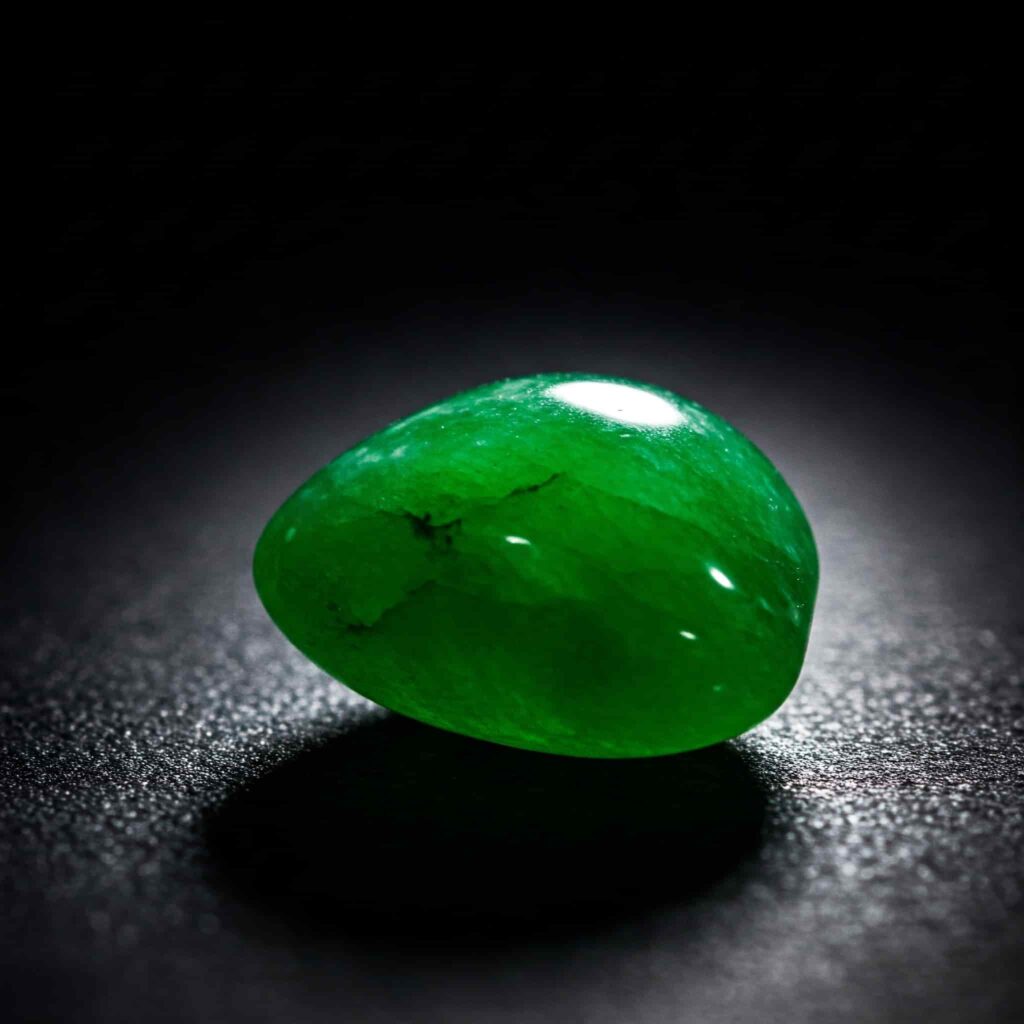
Green jade, a gemstone steeped in history and reverence, is a captivating substitute for emerald, known as “panna” in some cultures. Unlike emerald, which is a variety of beryl, jade is typically nephrite or jadeite, prized for its rich, translucent green shades that range from soft apple tones to deep forest hues. Revered in ancient China as a symbol of purity and serenity, green jade has been carved into intricate jewelry and talismans for millennia.
Its durability—rating 6 to 7 on the Mohs hardness scale—makes it tougher than many gemstones, ideal for daily wear where emeralds might chip or scratch. As a substitute, green jade offers a similar lush color palette but at a fraction of the cost, often sourced more abundantly from regions like Myanmar and Canada. Its opaque to semi-translucent quality provides a distinct, earthy charm that complements emerald’s brilliance with a softer, more grounded aesthetic. For those seeking an affordable, resilient, and culturally rich alternative, green jade stands out as a worthy contender.
Also Read: – Substitutes of Hessonite
Green Onyx
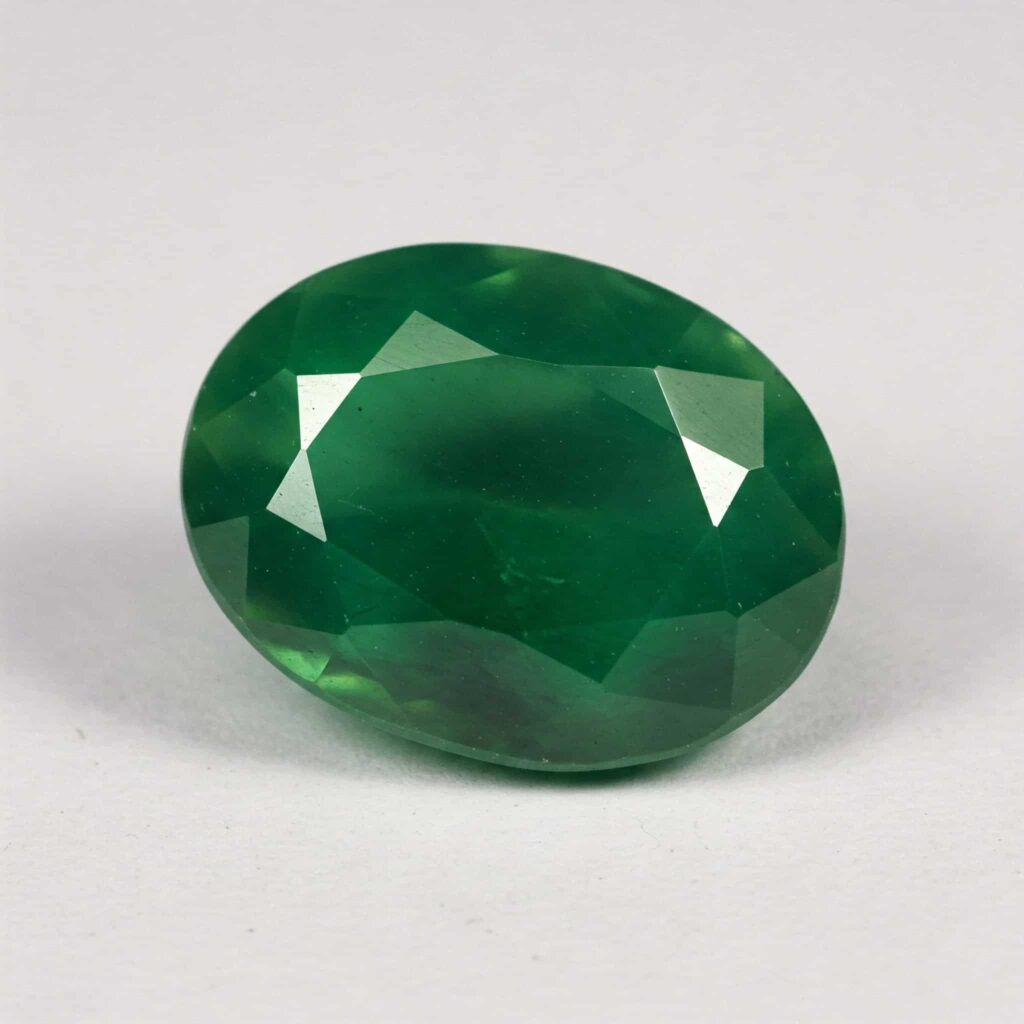
Green onyx, a variety of chalcedony quartz, emerges as a sleek and sophisticated substitute for panna stone, blending affordability with striking visual appeal. Its vibrant green tones, often enhanced through dyeing or heat treatment, mimic emerald’s signature shade, though natural variations can lean toward subtler olive or mossy hues. Found in places like Brazil and India, green onyx is celebrated for its smooth, polished finish and uniform color, making it a favorite in statement jewelry pieces like rings and pendants. With a Mohs hardness of 6.5 to 7, Green Onyx rivals emerald’s durability while being less prone to inclusions or fractures—a common flaw in natural emeralds. What makes green onyx a compelling substitute is its accessibility and versatility; it’s far less expensive and can be cut into bold, large shapes without the prohibitive cost of emerald. For jewelry lovers wanting emerald’s vivid green allure with a modern, polished twist and a budget-friendly price tag, green onyx delivers beautifully.
Green Amethyst
Green amethyst, also known as prasiolite, offers a delicate and enchanting alternative to emerald, bringing a light, crystalline green that radiates elegance. Unlike emerald, which owes its color to chromium, green amethyst is a naturally occurring or heat-treated variety of quartz, often transformed from purple amethyst through careful heating processes. Sourced from places like Brazil and Arizona, its pale to medium green tones evoke a fresh, spring-like vibe, distinct yet reminiscent of emerald’s verdant charm. With a Mohs hardness of 7, green amethyst surpasses emerald in toughness, resisting scratches and wear better than its pricier counterpart. Its clarity and sparkle, paired with a significantly lower cost, make it an attractive substitute for those who adore emerald’s look but seek a more durable, wallet-friendly option. Green amethyst shines in faceted cuts, offering a brilliant play of light that rivals emerald’s luster while providing an ethically sourced, widely available choice for sustainable jewelry enthusiasts.
Why Choose Pmkk Gems to Buy Emerald and Its Alternatives
Pmkk Gems is govt lab-certified gemstone store. It provides natural gemstones with a lab testing certificate. Pmkk Gems will help you choose the best gemstones according to requirements that will be budget-friendly.
Check Out: – Blue Sapphire Substitutes
