
Colors are the essence of our lives. Colors add vivaciousness, the zest to live life more, and spark an intense desire to savor every element in existence. Undeniably, all colors are beautiful. However, certain colors are so attractive and regaling that you can’t take your eyes off them. One of those colors is purple. In the VIBGYOR spectrum, purple is considered one of the most splendid colors, which represents royalty, elegance, feminine, wealth, and extravagance.
In the realm of gemstones, purple color stones are one of the most coveted and sought-after gemstones because of undying desirability and astrological significance. Like red color gems and blue color stones, the domain of purple gemstones is also packed with umpteen marvels. The sole and primary purpose of crafting this blog post is to make our valued readers aware of all the scintillating purple gemstone names to expand the knowledge base and be of great help when buying purple color gemstones.
List of Purple Color Stone Names
Purple Sapphire
Purple sapphire, one of the most splendid and captivating varieties of the corundum mineral, is a gemstone prized for its stunning hues, durability, and rarity. Known for its rich purple to violet shades, this gemstone has enchanted jewelry enthusiasts, collectors, and gemologists alike and deserves the top spot in the list of purple stone names.

Purple sapphire is a variety of corundum (Al₂O₃), the same mineral family as blue sapphire and original red ruby stone. While sapphires are most commonly associated with blue, they occur in a spectrum of colors, including purple, due to trace elements within the crystal structure. The purple hue in these sapphires is primarily caused by the presence of trace amounts of iron, titanium, and sometimes vanadium, which influence the gem’s coloration.
The exceptional hardness of purple sapphire makes it highly durable, resistant to scratches, and suitable for everyday wear in jewelry such as rings, pendants, and earrings.
Amethyst
Purple amethyst is another striking variety of quartz, prized for its rich violet to lavender hues. Its color comes from trace amounts of iron and natural irradiation, and it ranges from pale lilac to deep royal purple. Historically, amethyst was considered one of the most precious purple gemstones, often associated with royalty and spirituality.
In ancient Greece and Rome, it was believed to prevent intoxication—its name comes from the Greek amethystos, meaning “not drunken.” Throughout history, it has been worn by clergy, royalty, and healers as a symbol of wisdom, protection, and clarity.
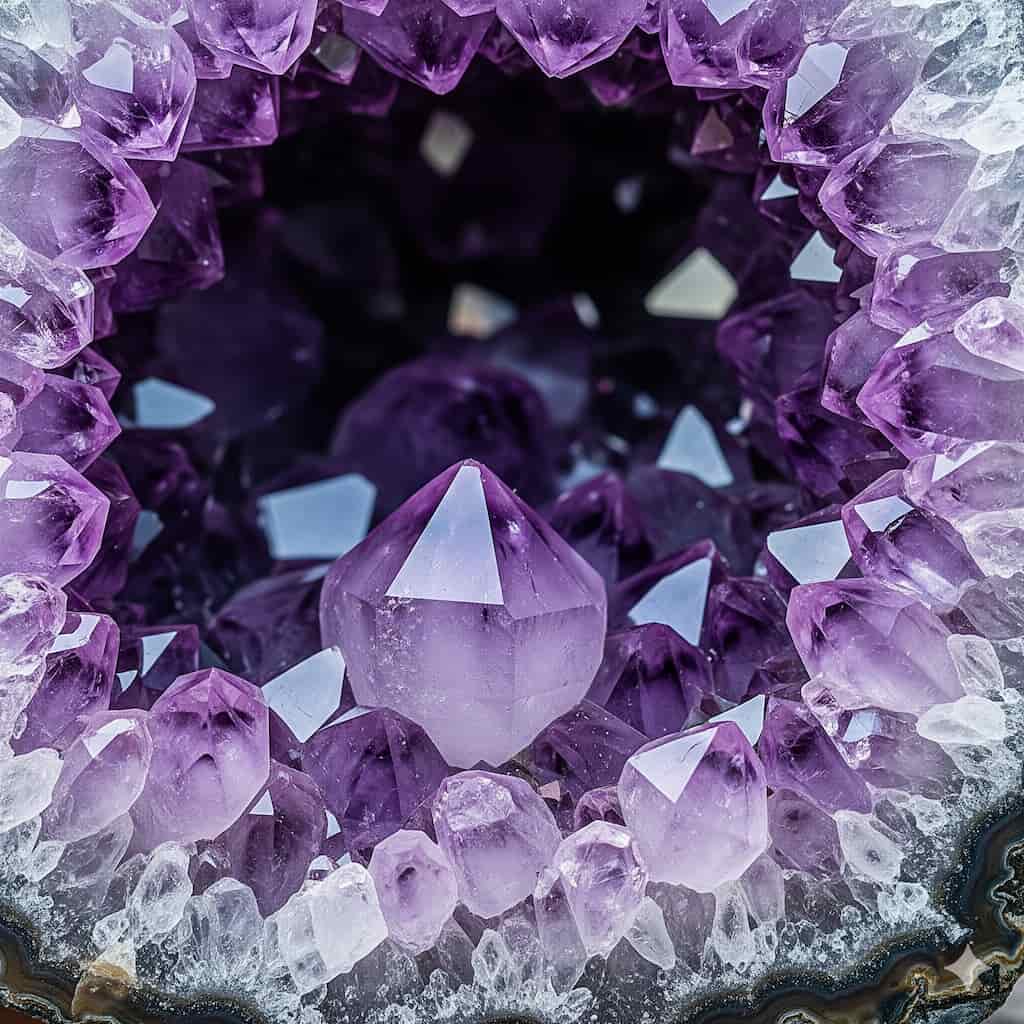
Today, amethyst stone remains one of the most popular gemstones due to its beauty, affordability, and metaphysical associations. It is often linked to calmness, emotional balance, and spiritual growth, making it a favorite in meditation practices and crystal healing.
Amethyst is the birthstone for February, and it is commonly found in countries such as Brazil, Uruguay, and Zambia. Its durability and vibrant color make it a versatile choice for jewelry, décor, and collectors alike.
Purple Spinel
Purple spinel is a stunning and extremely rare gemstone that deserves far more recognition than it currently receives. This beautiful mineral belongs to the spinel group and displays captivating violet to deep purple hues that can rival even the finest amethysts.
Purple spinel gets its distinctive color from trace amounts of iron and chromium within its crystal structure. The gemstone typically exhibits excellent transparency and a vitreous luster that gives it exceptional brilliance when properly cut.
High-quality purple spinel is considerably rarer than many people realize. Fine specimens with intense color, good clarity, and sizes over 5 carats can command substantial prices, though they remain more affordable than comparable rubies or sapphires.
Tanzanite
Purple Tanzanite is a rare color variety of the mineral zoisite, exclusively found in a single, small area near Mount Kilimanjaro in Tanzania. Its captivating purple hue sets it apart from the more common blue tanzanite.
Like all tanzanite stone, its color comes from trace amounts of vanadium. The unique presence of manganese is what introduces the secondary purple hue. The resulting color is a beautiful blend of violet and blue, often described as “plum” or “lavender.”
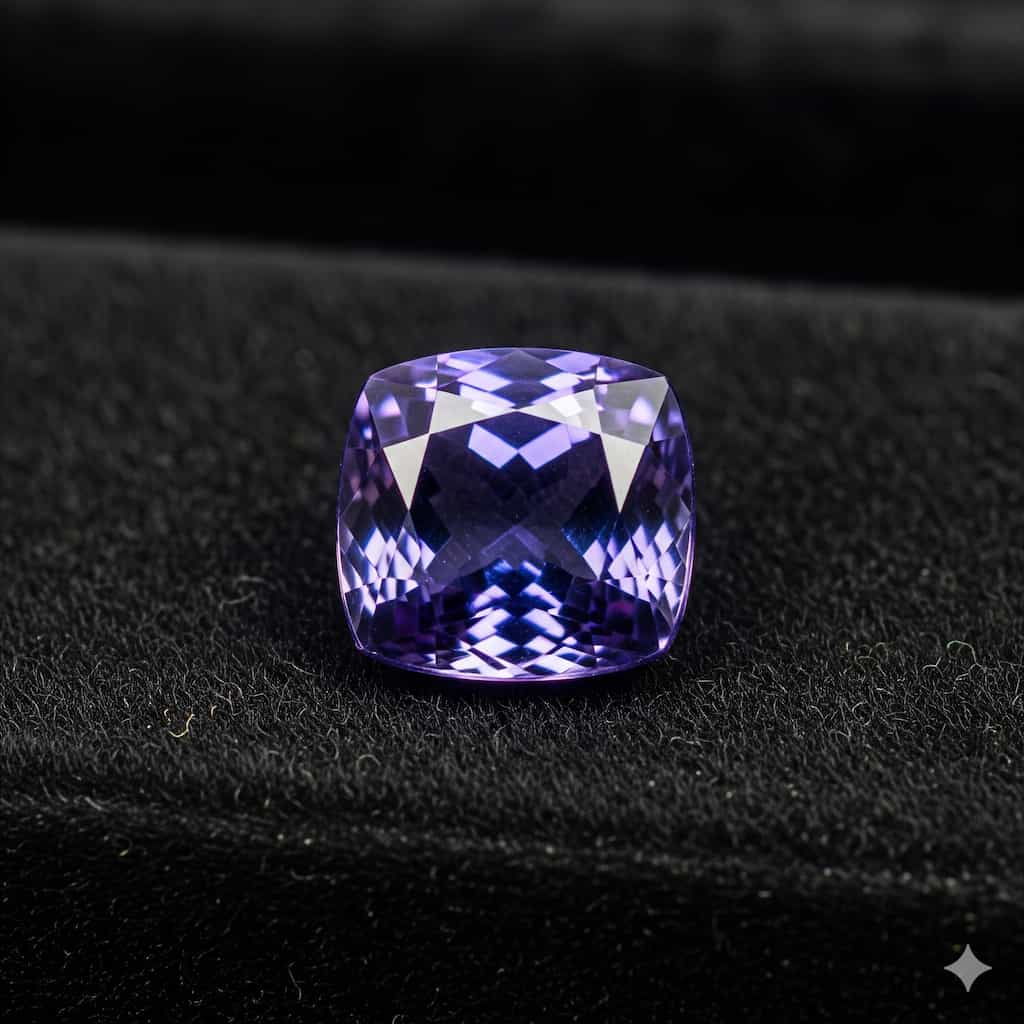
Purple Tanzanite offers a unique and sophisticated alternative to traditional gemstones like amethyst. Its singular origin and finite supply make it a prized and potentially valuable acquisition for collectors and jewelry lovers seeking something truly distinctive
Bookmark Worthy: – Green Gemstone Names
Purple Tourmaline
Purple Tourmaline is a rare and captivating variety of the tourmaline mineral group, prized for its enchanting violet to deep plum hues. While tourmaline is known for occurring in nearly every color, purple specimens are less common, making them highly sought after by collectors and gem enthusiasts.
The purple color typically results from a combination of manganese and natural irradiation during crystal formation. Some stones display pleochroism — appearing different shades of purple or even reddish when viewed from various angles.Notable deposits are found in Mozambique, Nigeria, Afghanistan, and the United States (particularly Maine). Mozambique has recently become a leading source of vivid purple tourmalines.
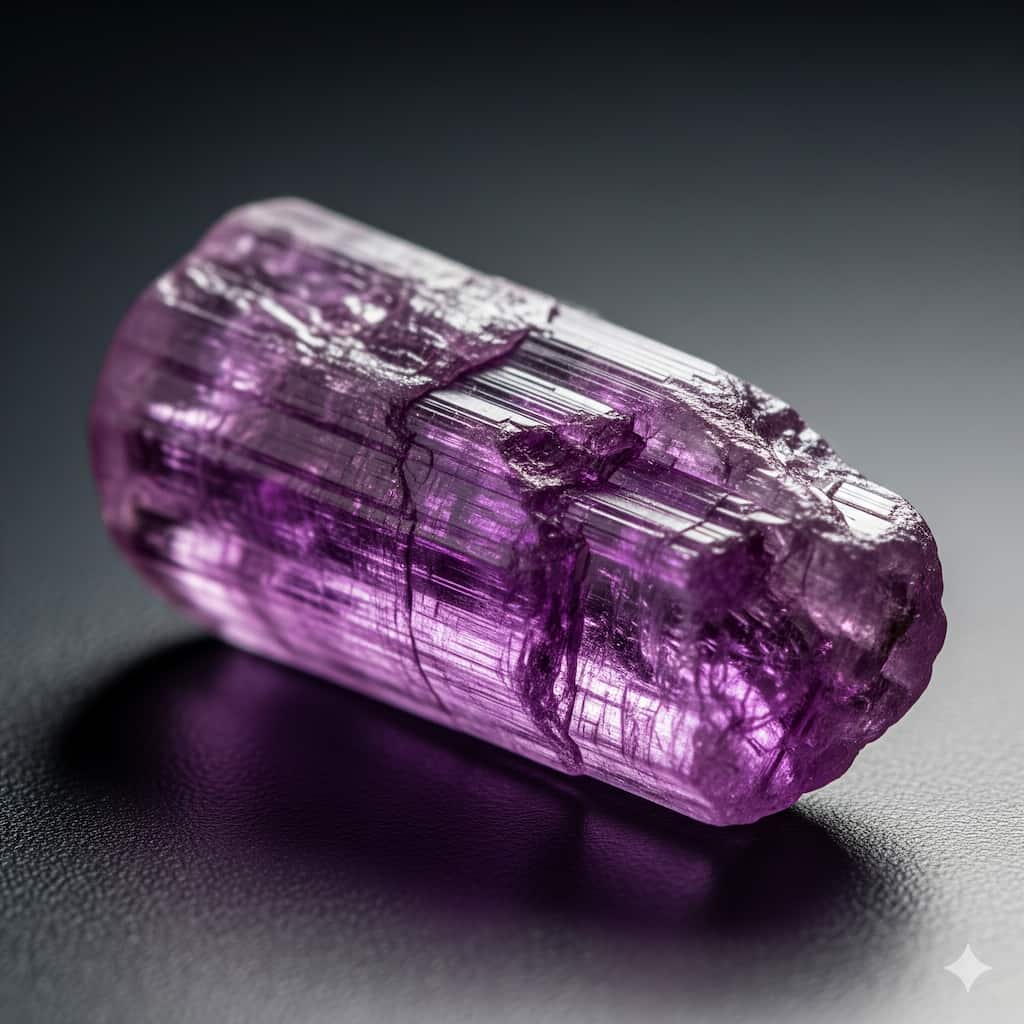
In crystal healing, Purple Tourmaline is associated with spiritual awakening, emotional balance, and psychic protection. It’s believed to enhance intuition, calm the mind, and support personal transformation
Purple Topaz
Purple topaz is a rare and captivating variety of topaz, a silicate mineral (Al₂SiO₄(F,OH)₂) typically known for its blue topaz variant or yellow topaz as well. Naturally occurring purple topaz is extremely scarce, and most purple topaz on the market is created through treatments, such as irradiation or coating of natural topaz to achieve its vibrant violet or purple color.
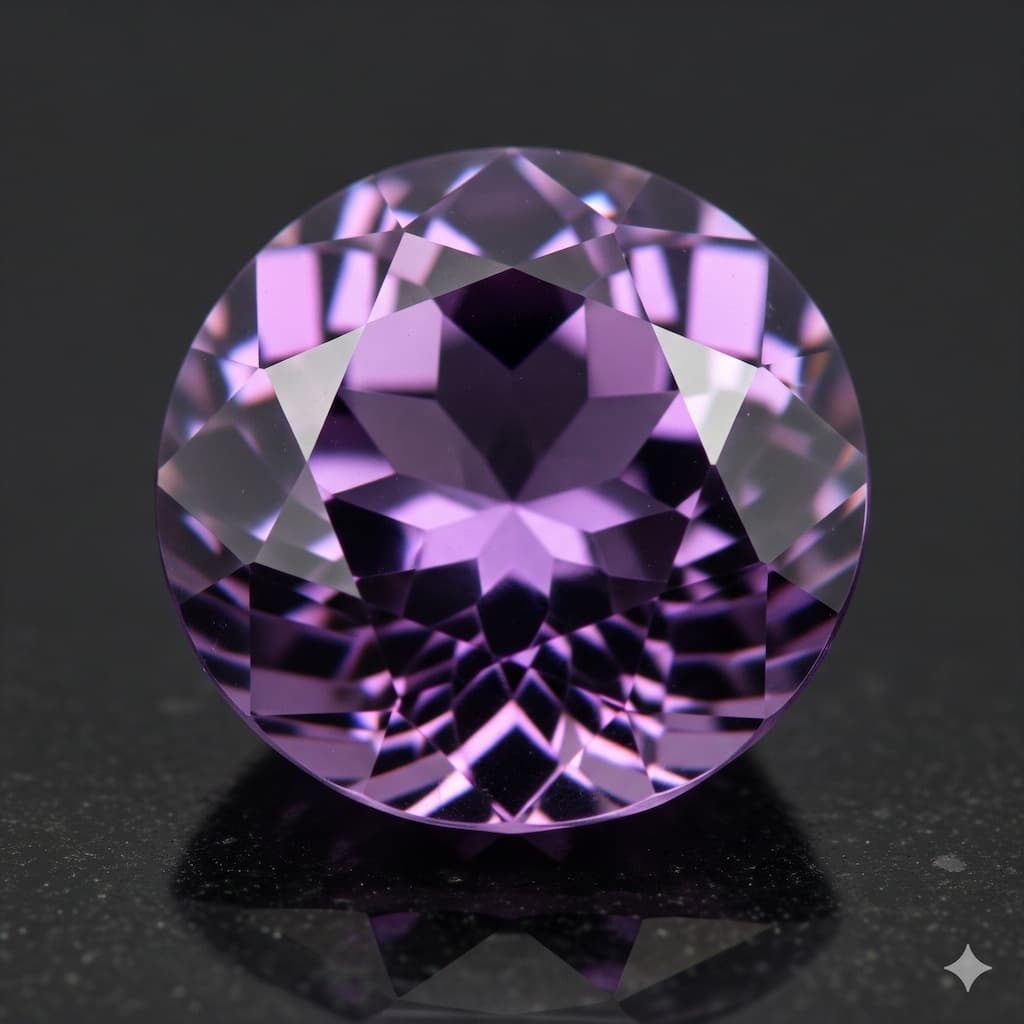
Natural purple topaz is exceptionally rare, with limited deposits found in places like Brazil, Sri Lanka, or Russia. Most purple topaz is produced by treating colorless or pale topaz, often sourced from Brazil, through irradiation followed by heat treatment to create the purple hue.
Purple Garnet
Purple garnet is undeniably the rarest member of the garnet family, admired for its vivid blends of violet, red, and sometimes pink undertones. Unlike the more common red garnet, this variety owes its unique color to a mix of pyrope and almandine with traces of spessartine, giving it a depth and brilliance that sets it apart.
Discovered only in select deposits, notably in East Africa, purple garnet is both scarce and highly sought after by collectors and jewelry enthusiasts. Its natural radiance requires no treatments, and its exceptional refractive qualities often make it appear even more vibrant than amethyst or sapphire.
Beyond its beauty, purple garnet stone symbolizes transformation and self-discovery—qualities that echo its unusual and shifting hues. As a modern gemstone with ancient roots, it embodies rarity, vitality, and individuality.
Read Worthy: – Yellow Gemstones Name
Kunzite
Imagine a gemstone so bashful that it literally fades when exposed to too much attention. Meet purple kunzite—a mineral with the social anxiety of a Victorian maiden and the ethereal beauty to match.
Kunzite is the lilac-hued personality of spodumene (LiAlSi₂O₆), a lithium aluminum silicate that decided purple was its calling card. The enchanting color comes from manganese playing dress-up within the crystal lattice, creating hues that dance between soft lavender and deep amethystine purple. It’s like nature’s own mood ring, but with better clarity.
Afghanistan’s mountains produce some of the most intense specimens, while Brazil, Madagascar, and California contribute their own variations to kunzite’s global repertoire.
Alexandrite
Purple Alexandrite is the master of disguise, a chromatic fugitive. In the soft glow of incandescent light, it cloaks itself in a deep, enigmatic raspberry violet or regal plum. But under the cool, honest light of day, it performs its magic trick: the purple bleeds away, transforming into a startling bluish-green or teal.
To own a piece of purple alexandrite is to possess a natural marvel. It serves as a wearable reminder that truth is often a matter of perspective, and that the most beautiful things are never just what they appear to be. It is for the connoisseur who values mystery over mere magnificence.
Never Miss: – Black Gemstone Names
Lavender Jade
Imagine holding a piece of twilight sky, its soft lilac glow humming with quiet magic. Lavender Jade, a rare variety of jadeite, isn’t just a stone—it’s a gentle nudge from the universe to pause and breathe. Born from sodium aluminum silicate and kissed by traces of manganese, this gem’s dreamy purple hue sets it apart from its green cousins, making it a coveted treasure from places like Myanmar, Turkey, and Japan.
Unlike the bold energy of classic jade, Lavender Jade vibes with a softer, spiritual frequency. It’s the stone you reach for when life feels like a storm, soothing frazzled nerves and whispering calm into your soul. Crystal enthusiasts swear by its ability to purify emotions, melt away cynicism, and open the heart to compassion—think of it as a cosmic hug from Kwan Yin, the goddess of mercy.
Whether you’re meditating, seeking clarity in chaos, or just craving a vibe reset, this gem’s got your back. Physically, it’s no slouch either. Lavender Jade is said to support detoxification, balance bodily fluids, and aid in healing everything from kidneys to broken bones.
Purple Scapolite
Purple Scapolite is a lesser-known but mesmerizing gemstone, admired for its soft violet to lavender hues and glassy luster. Part of the scapolite mineral group — which ranges from colorless to yellow, pink, and rare purple — this variety stands out for its calming energy and scarcity in the gem world.
Its purple color is typically caused by trace elements and natural irradiation. Unlike mass-market gems, purple scapolite is rarely treated, preserving its natural charm. Major sources include Myanmar (Burma), Tanzania, Canada, and Madagascar.
Known as a stone of mental clarity and emotional release, Purple Scapolite is believed to dissolve self-doubt, enhance focus, and encourage spiritual alignment. It’s associated with the crown and third eye chakras, promoting calm insight and inner peace.
Also Read: – Grey Color Gems with Names
Purple Agate
Technically speaking, purple agate is cryptocrystalline quartz (SiO₂) that formed layer by layer in volcanic cavities, like geological sediment in a very slow washing machine. Iron and manganese crashed the silica party, bringing purple pigments that range from whisper-soft lilac to deep eggplant. Each band represents a different chapter in the stone’s million-year biography.
Unlike its flashier gemstone cousins, purple agate is all about texture and flow. Some specimens showcase concentric rings like a cosmic bullseye, while others display flowing bands that seem to undulate across the surface. Dendritic inclusions can create purple landscapes complete with mineral “trees,” making each piece a unique snapshot of ancient geological drama.
Sugilite
Sugilite is a striking and uncommon mineral, celebrated for its rich shades of purple ranging from deep violet to magenta. First identified in Japan in the mid-20th century, it is primarily found in South Africa and is considered one of the rarer gems in the mineral world.
What sets sugilite apart is not only its vibrant color but also its association with modern crystal lore. Often called the “healer’s stone,” it is linked with emotional well-being, spiritual growth, and resilience. Its opaque, velvety surface and bold coloration make it especially distinctive in cabochons and beads rather than faceted gems.
With its rarity, striking appearance, and metaphysical reputation, sugilite has become a gemstone that appeals to both collectors and those drawn to its symbolic energy of strength and inner harmony.
Check Out: – Orange Gemstone Names
