
When it comes to glorifying gemstones or measuring their true value, no amount of description can do justice to them. Gemstones, by leaps and bounds, are the most fascinating, endearing, and enigmatic gift by mother nature to mankind. The implications of gemstones in different verticals are extensive and humongous. Gemstones not only exemplify value and utility but also royalty and opulence.
The cosmos of gemstones is packed with an enormous number of marvels that surpass beauty and elegance profoundly. However, it’s way daunting for anyone to state all of them in one single place. After putting our knowledge of gemstones and research skills to the ultimate test, we’ve compiled and curated an extensive list of gemstones that represent royalty and true opulence. When creating the list, all gemstones were measured on multiple vital factors like market value, historical significance, symbolism, popularity, and craze among influential figures before putting them in the list of top 10 gemstones that represent royalty
List of Gemstones Representing Royalty
Ruby
The ruby gemstone’s association with royalty is deeply rooted in its historical significance, vibrant color, and perceived symbolic powers.
In ancient India, real manik stones were highly prized by royalty and considered “the king of gems.” They were believed to possess protective powers and bring wealth and success. Throughout history, rubies have adorned the crowns and jewelry of monarchs and nobility in various cultures.
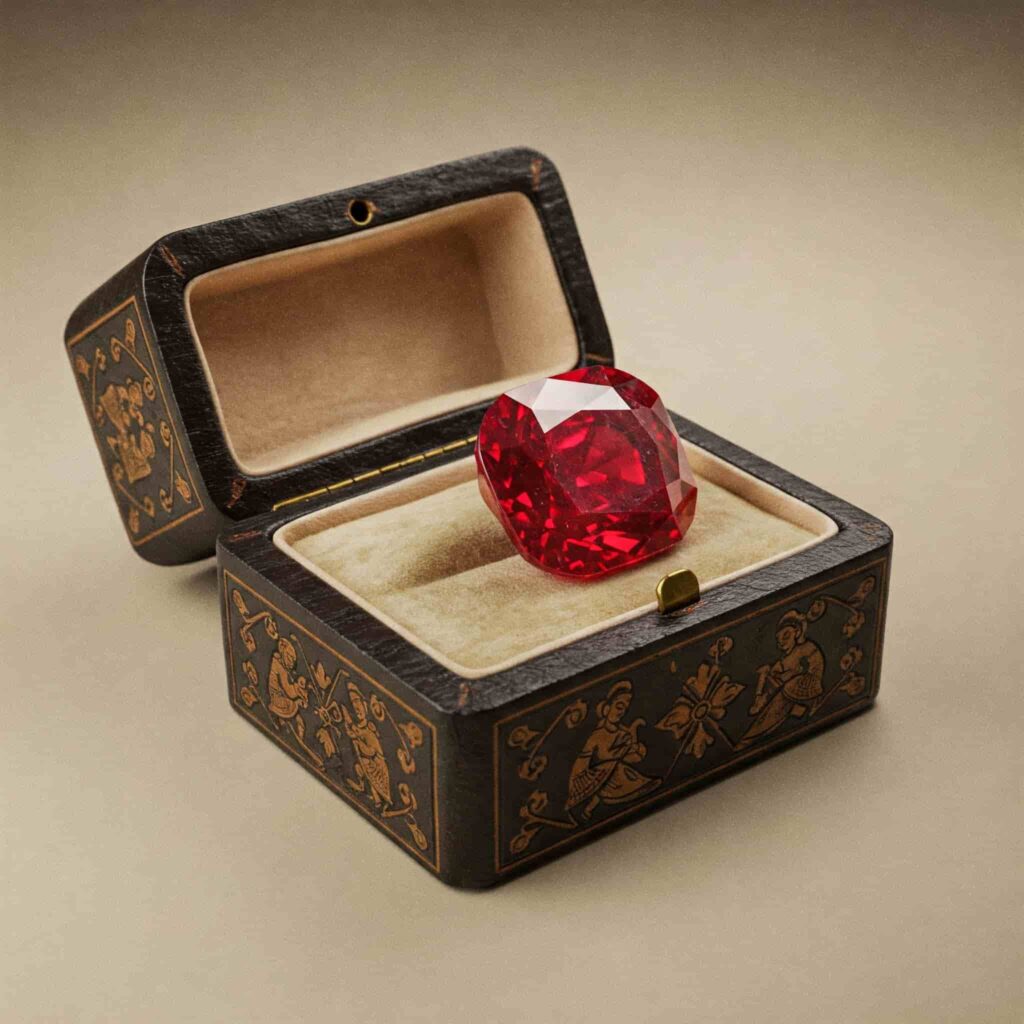
Due to their rarity and beauty, rubies have long been associated with power and wealth, qualities that are intrinsically linked to royalty.
Royal families throughout history have amassed collections of rubies, showcasing their affluence and status.
Rubies were believed to possess protective powers, shielding the wearer from harm and negative energies. This made them particularly valuable to rulers who sought protection for themselves and their kingdoms. In some cultures, rubies were seen as symbols of divine favor, indicating that the ruler had the support of the gods.
Peek Here: – Best Gemstones for Meditation
Emeralds
The emerald, with its rich green hue and storied past, has long been a symbol of royalty, embodying power, prestige, and divine connection. This gemstone’s association with monarchs and elites spans continents and millennia, rooted in its rarity, vibrant color, and cultural significance.
From the Mughal emperors of India, who inscribed emerald gemstones with sacred texts, to European crowns like the Austrian Habsburgs, emeralds adorned regalia, signifying sovereignty and opulence.The Incas and Aztecs valued emeralds as sacred objects, associating them with fertility and the divine.
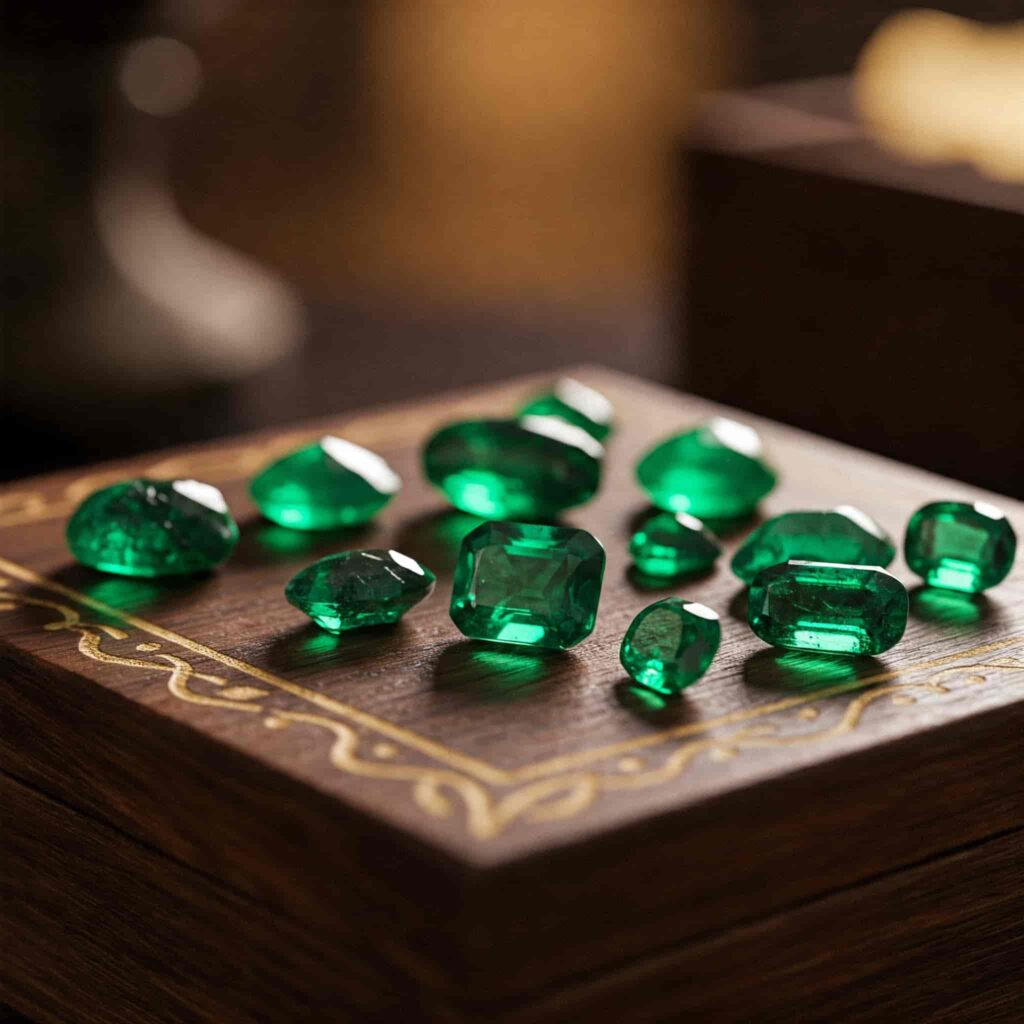
The verdant green of pachu stone evokes nature, growth, and rebirth. In ancient Egypt, this connected to the Nile’s fertility, vital for a pharaoh’s legitimacy.Green symbolized lush landscapes, tying a ruler’s wealth to their realm’s fertility. In medieval Europe, it reflected both material riches and spiritual abundance.
The Crown of the Andes (17th century), crafted with Colombian emeralds, and the Cambridge Emerald Tiara, worn by British royals, underscore their regal heritage. Contemporary royals, like Britain’s Queen Elizabeth II, continue this tradition, wearing emeralds in state insignia, perpetuating their association with authority.
Bookmark Worthy: – Gemstones for Root Chakra
Sapphires
Sapphires are among the rarest gemstones on Earth, particularly those of high quality and vivid color. Their scarcity has made them symbols of wealth and exclusivity, qualities that align perfectly with the concept of royalty. Historically, only the wealthiest and most powerful individuals—kings, queens, emperors, and other members of royal families—could afford to acquire and display such precious stones.
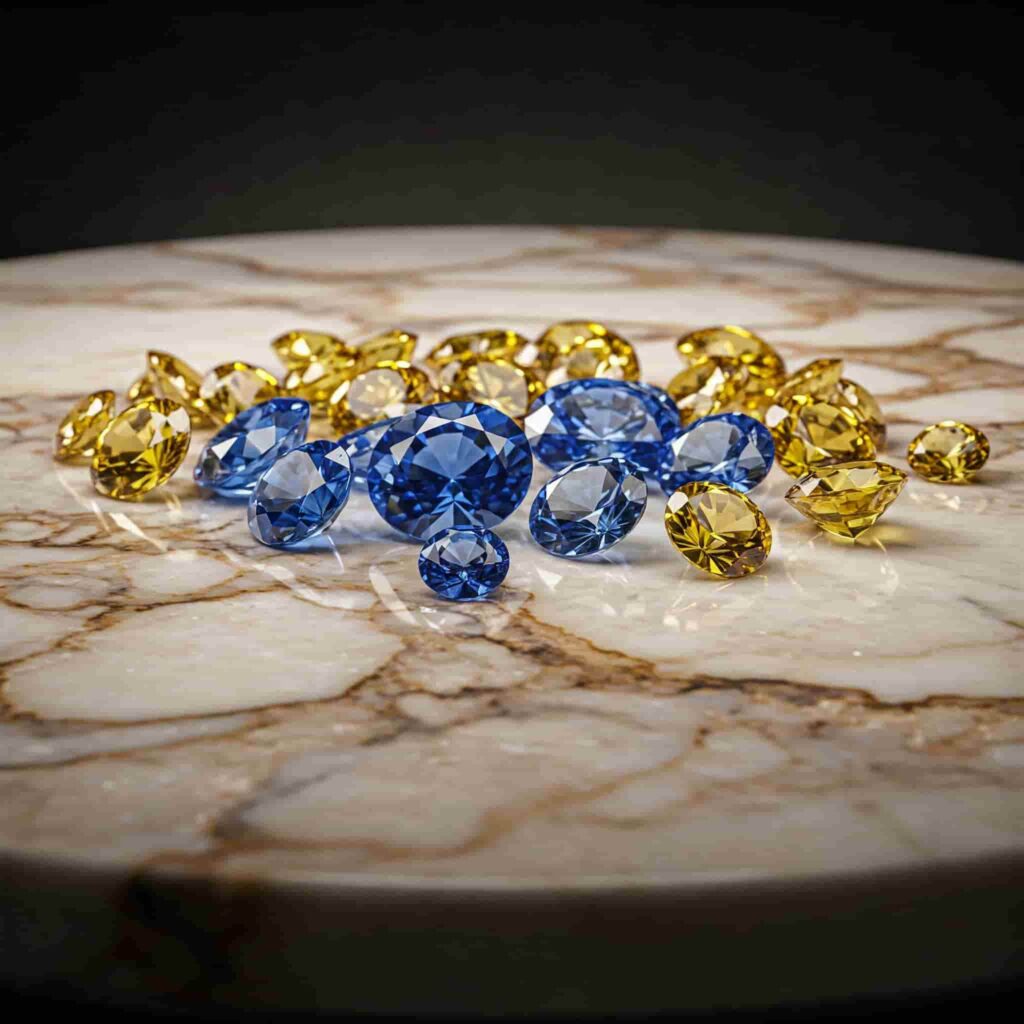
In many cultures, original blue sapphires were believed to be gifts from the gods or celestial beings, imbuing them with an aura of divinity. This belief tied sapphires directly to the concept of “divine right,” which posits that monarchs derive their authority from higher powers. By wearing sapphires, rulers could claim legitimacy and demonstrate their alignment with heavenly forces
Even today, Yellow sapphires retain their royal connotations. From state ceremonies to diplomatic functions, sapphire-adorned pieces remain staples of royal collections worldwide. Contemporary monarchs and public figures often choose sapphires to honor tradition while emphasizing continuity and prestige.
Diamond
Diamonds have long been associated with royalty, luxury, and power. From ancient civilizations to modern monarchies, these dazzling gemstones have held a unique status, representing wealth, strength, and divine favor. Their rarity, brilliance, and unmatched durability have made them the preferred choice for crowns, scepters, jewelry, and ceremonial regalia of kings, queens, and aristocrats throughout history.
India was one of the earliest sources of diamonds, and its rulers cherished them as sacred and powerful stones. The belief in diamonds as talismans of invincibility led many kings and emperors to incorporate them into their armor and crowns. Kohinoor diamond is one fine example of that.
The unmatched clarity and brilliance of diamonds have been linked to purity, wisdom, and virtue. Queens and empresses often wore diamonds to project an image of nobility and grace, reinforcing their royal persona.
Read Worthy: – Gemstones for Budh Aditya Yog
Alexandrite
Alexandrite, a rare and captivating gemstone, has long been associated with royalty due to its unique properties, historical significance, and symbolic qualities. This gemstone, a variety of chrysoberyl, is renowned for its remarkable color-changing ability, shifting from a rich green in daylight to a deep reddish-purple under incandescent light.
One of the primary reasons Alexandrite is tied to royalty is its exceptional rarity. First discovered in 1830 in Russia’s Ural Mountains, alexandrite is one of the scarcest gemstones in the world. Its formation requires specific geological conditions, including the presence of beryllium and chromium in precise proportions, which is an uncommon occurrence in nature.
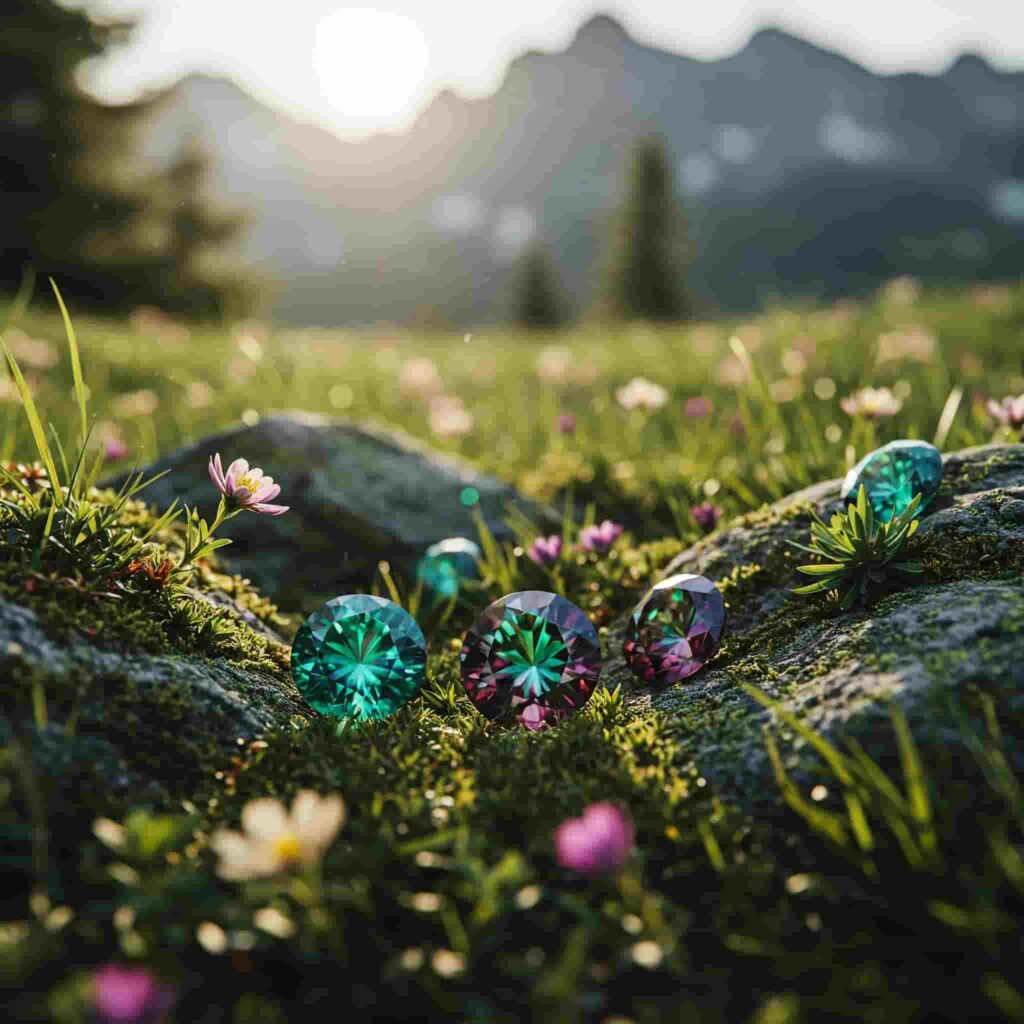
Alexandrite’s connection to royalty is deeply rooted in its origin story. The gemstone was named after Tsar Alexander II of Russia, who was the heir to the throne at the time of its discovery. Legend has it that miners found the stone on his birthday, and its colors—green and red—mirrored the imperial Russian military colors, further solidifying its association with the Russian monarchy
The visual allure of alexandrite stone further enhances its royal reputation. Its vibrant, chameleon-like colors make it stand out among other gemstones, exuding a sense of majesty and sophistication.
Pearls
The pearl, a lustrous organic gemstone formed within mollusks, has been a timeless symbol of royalty across cultures and eras. Revered for its rarity, natural beauty, and ethereal qualities, the pearl embodies purity, power, and divine connection.
Pearls were among the most coveted luxuries in ancient Rome. Julius Caesar enacted laws restricting pearl wear to the ruling class, cementing their status as symbols of elite power. Original Pearls were one of the Eight Auspicious Symbols, associated with wisdom and prosperity. Emperors linked them to the “Mandate of Heaven,” using pearls in crowns and robes to signify divine authority.
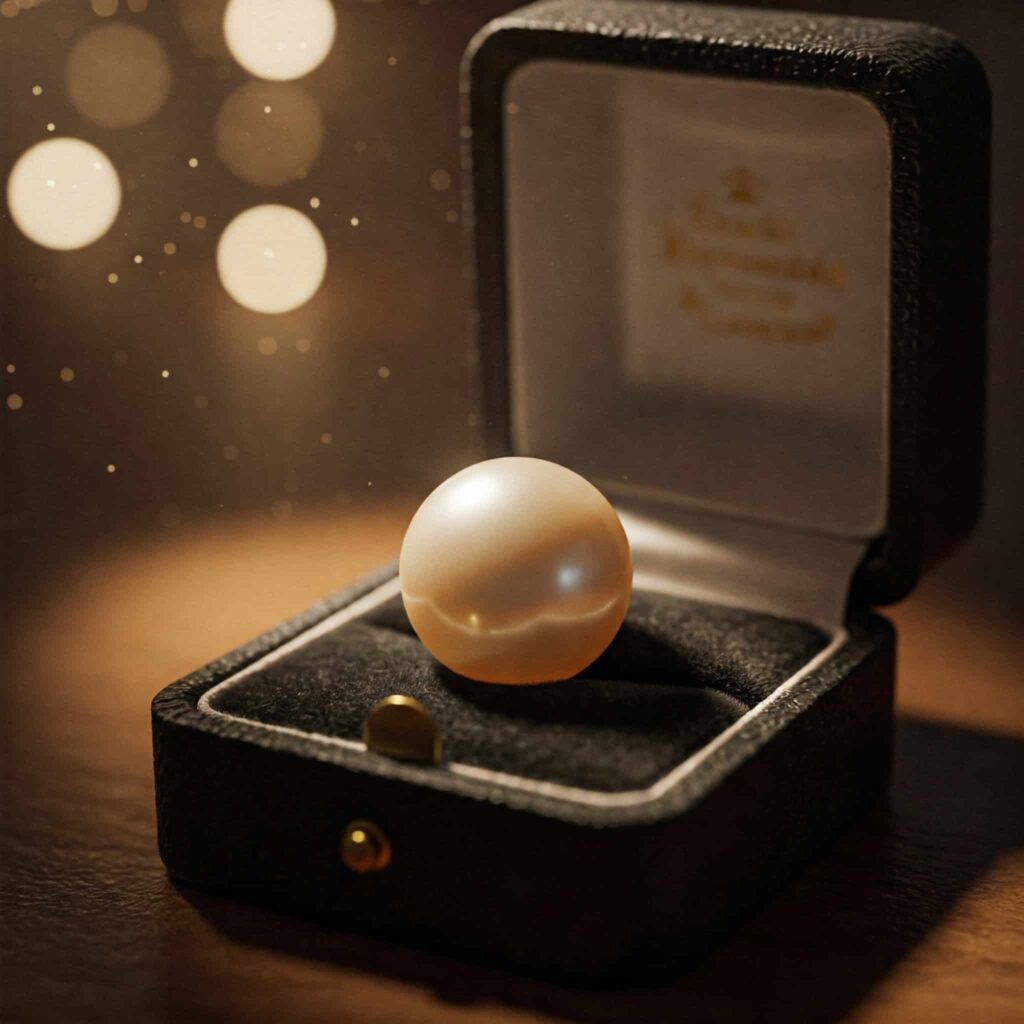
The pearl’s soft, radiant white hue has long symbolized purity, a quality royalty sought to embody as divinely ordained rulers. Formed through a mollusk’s response to an irritant, pearls became metaphors for overcoming adversity—a narrative rulers adopted to highlight their ability to transform challenges into prosperity.
Modern monarchs, such as Queen Elizabeth II and Empress Masako of Japan, continue to wear pearls at state functions, preserving their legacy as symbols of grace and authority.
Don’t Miss: – Gemstones for Success in Job
Amethyst
Amethyst, with its deep, regal purple hue, has been revered as a gemstone of royalty for centuries. Its rich color, rarity in ancient times, and associations with power, wisdom, and divine protection made it a favored stone among monarchs, clergy, and nobility. From ancient civilizations to modern royalty, amethyst has maintained its status as a gemstone of majesty, luxury, and authority.
In ancient Greece and Rome, amethyst gemstone was a symbol of high status and divine favor. Roman emperors wore amethyst-studded crowns, rings, and breastplates to signify their authority. The name “amethyst” itself comes from the Greek word amethystos, meaning “not intoxicated,” as Greeks believed the stone protected against drunkenness and irrationality—qualities unfit for rulers.
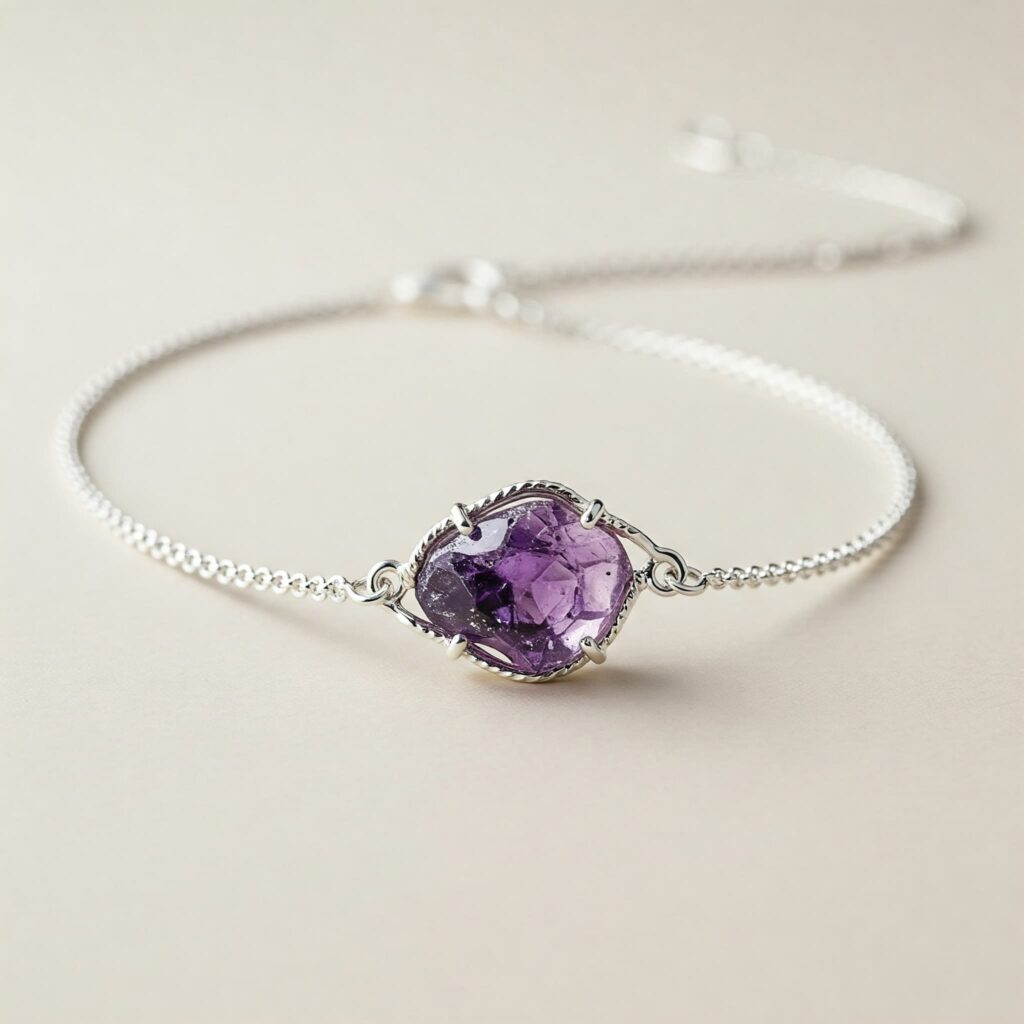
Purple has historically been the color of kings, emperors, and rulers. In ancient times, purple dyes were rare and expensive, making them accessible only to the elite. Since amethyst naturally possesses this royal hue, it became a gemstone of choice for those in power. Like diamonds, amethyst has been linked to resilience and endurance. Monarchs wore amethyst jewelry as a sign of their strength in ruling their kingdoms. Its enduring appeal as a gemstone of nobility ensures that amethyst remains an iconic symbol of power and prestige.
Also Read: – Lucky Mesh Rashi Stone for Female
Opals
Opal, with its mesmerizing play of color and ethereal beauty, has a distinctive connection to royalty that stems from its rarity, historical associations, symbolic richness, and captivating appearance. Unlike more uniform gemstones, opal displays a kaleidoscope of hues—flashes of red, blue, green, and gold dancing within its depths—evoking a sense of enchantment and grandeur.
Opal has been revered by royalty and nobility across various cultures, enhancing its regal reputation. In ancient Rome, opals were considered symbols of power and good fortune, often worn by emperors and senators.
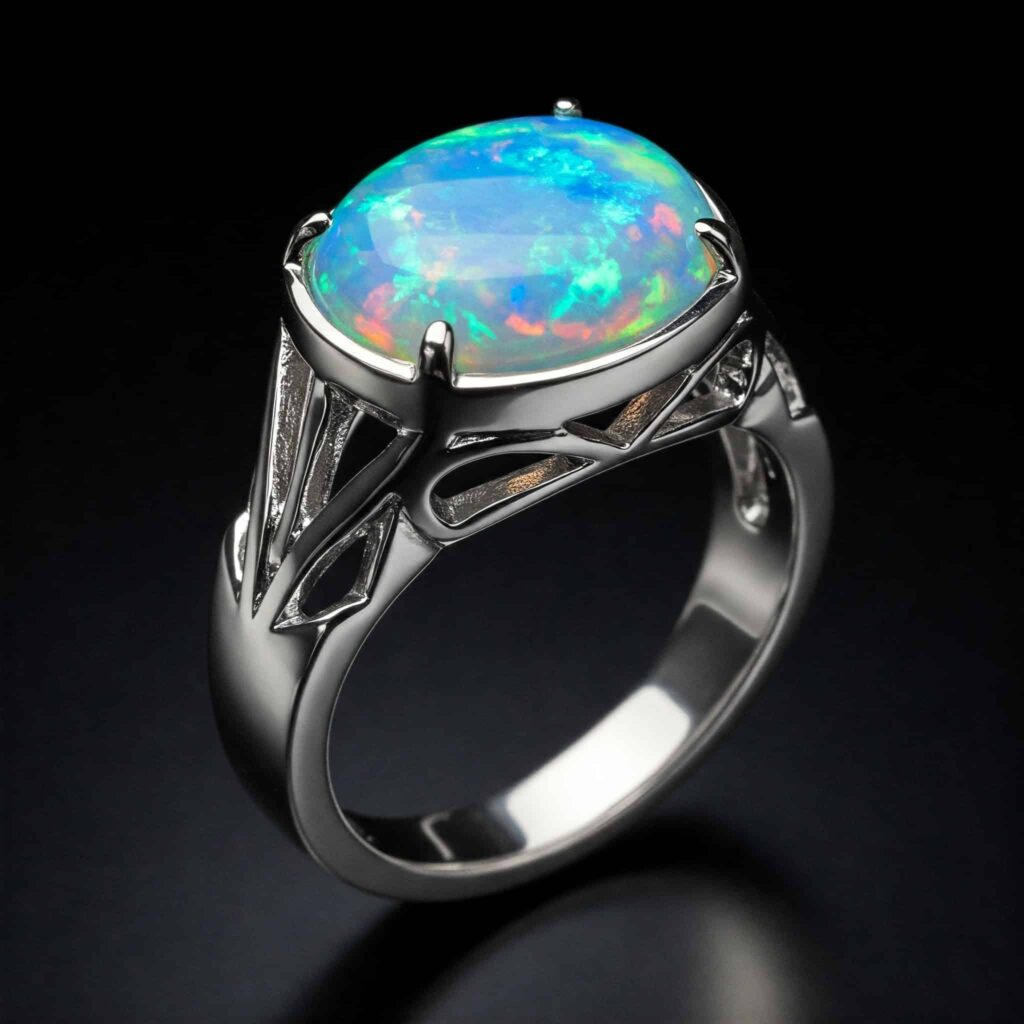
The Roman scholar Pliny the Elder described opal as having the “fire of the carbuncle, the brilliant purple of the amethyst, and the sea-green of the emerald,” suggesting its worthiness for the highest echelons of society. In medieval Europe, original opals were believed to possess protective qualities, and monarchs like Queen Elizabeth I of England reportedly admired them, gifting opal jewelry to her courtiers.
Opal’s symbolic qualities further tie it to royalty. Its iridescent play-of-color, where light refracts to reveal a spectrum of shades, is often seen as a representation of creativity, inspiration, and divine favor—attributes associated with monarchs believed to rule by divine right. In conclusion, opal represents royalty through its exquisite rarity, its historical embrace by monarchs like Queen Victoria, its profound symbolic meanings, and its breathtaking aesthetic. With its radiant play-of-color and air of mystique, opal captures the essence of regal splendor—exclusive, awe-inspiring, and timeless.
Garnet
While rubies are perhaps more immediately associated with the most opulent displays of royalty, garnets have also held a significant place in royal and noble adornment, carrying their own distinct symbolic weight.
Garnets have been used in jewelry since the Bronze Age, and they were particularly popular in ancient Egypt, Rome, and Greece. Royal and noble individuals used them in signet rings, necklaces, and other forms of jewelry. Evidence of garnets being used in royal adornments can be found in archaeological discoveries, demonstrating their historical association with high status.
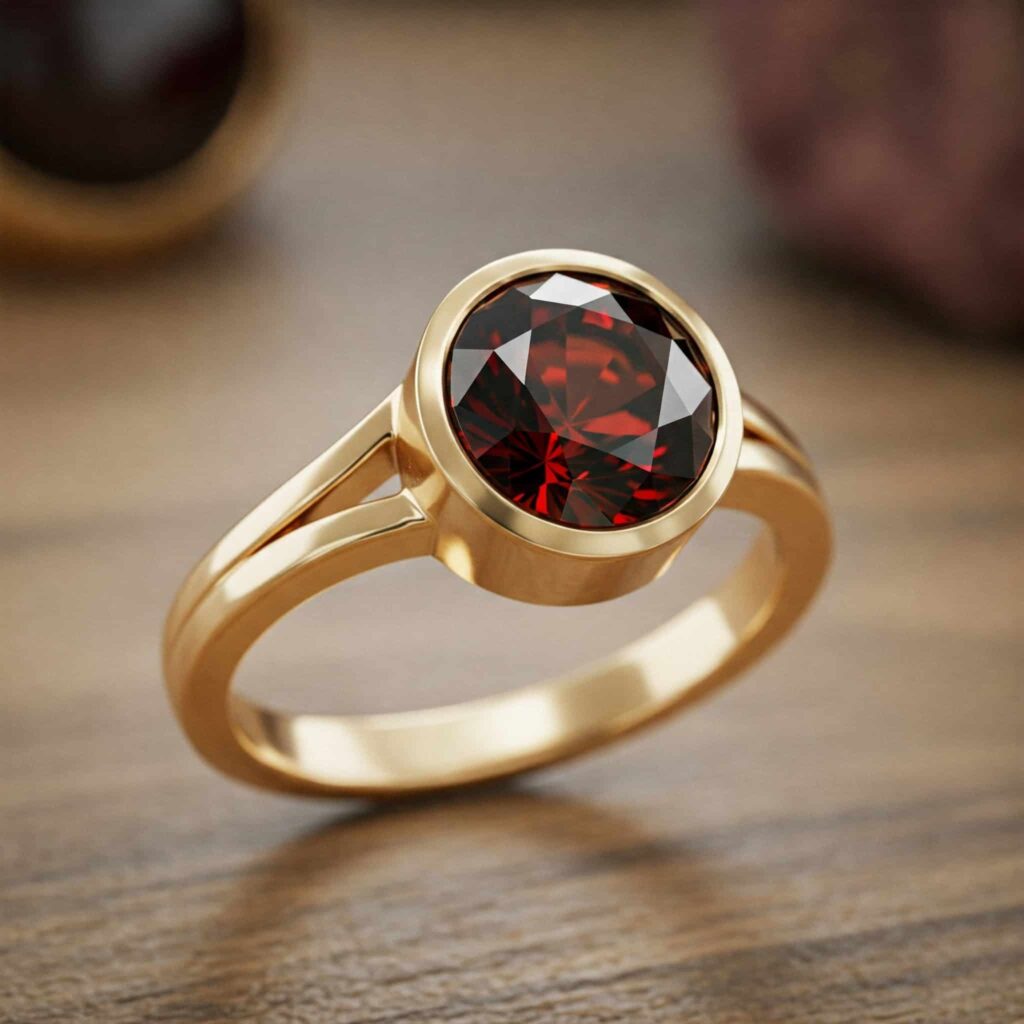
In some cultures, red garnet stones were believed to bring victory in battle, making them popular among warrior kings and nobles.
Historically Garnets have been associated with blood, and life force. This association can be linked to the idea of royal bloodlines, and the vitality of a ruling house.
Check Out: – Best Gemstones for Luck
