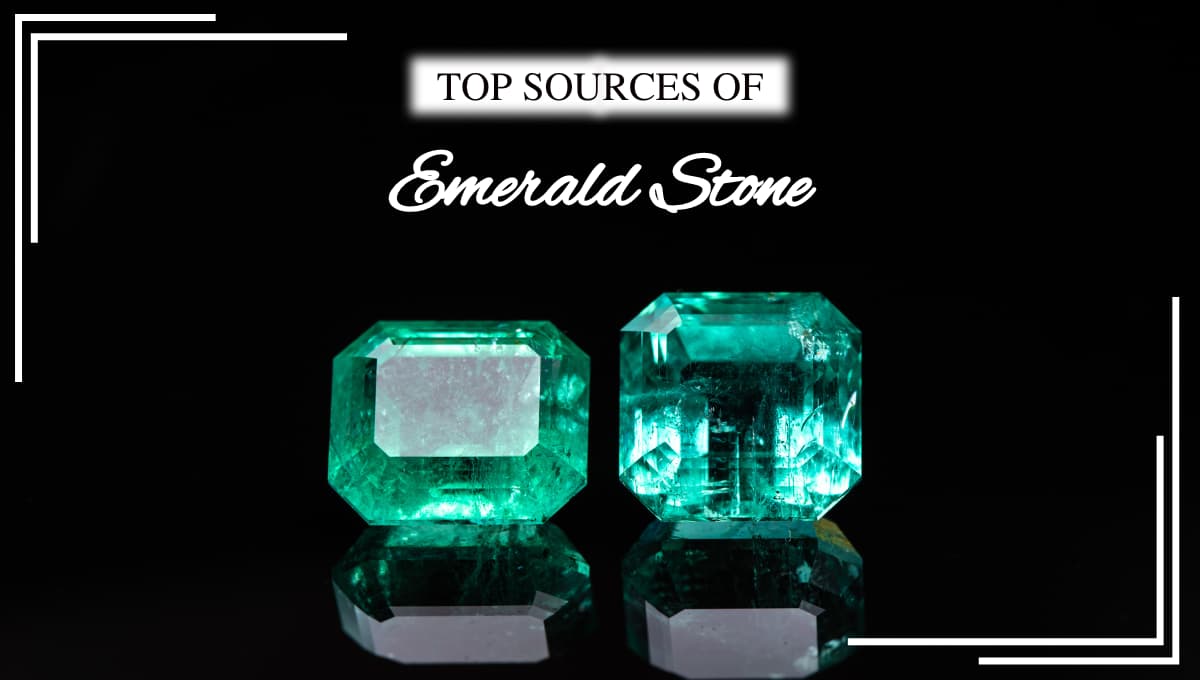
Since time immemorial, emeralds have continuously been one of the top-notch choices for gem lovers and fashionistas. These precious gemstones, celebrated for their rarity and beauty, are mined from various regions across the globe, each contributing unique characteristics to the stones they produce. The premier sources of emeralds include Colombia, Zambia, Brazil, and Afghanistan, each renowned for their exceptional quality and distinct green tones. Colombia stands as the world’s most famous emerald producer, offering stones of remarkable clarity and deep green color, often considered the finest. Zambia, on the other hand, is recognized for its emeralds with a bluish-green tint, distinguished by fewer inclusions.
Brazil provides a diverse range of emeralds, noted for their large size and varying shades of green. Meanwhile, Afghanistan’s Panjshir Valley is emerging as a significant player, known for producing emeralds that rival those of Colombia in terms of color and quality. These regions not only supply the global market with exquisite emeralds but also weave a rich tapestry of history, culture, and geological wonder, making each emerald a fascinating story of nature’s artistry and human endeavor. Dive into the enchanting world of green emerald stones and discover the origins of these timeless gems that continue to sparkle through the ages.
Read Worthy: – Why Emerald And Diamond Make The Best Combination
Major Sources of Emerald (Panna Stone)
Zambia
The 20th century witnessed Zambia’s emergence as a formidable player in the global emerald market. Renowned for their exceptional quality, Zambian emeralds have secured a coveted place in the hearts of gem enthusiasts worldwide. The Kagem and Grizzly mines, in particular, have been instrumental in establishing the country’s reputation as a premier source of these precious gemstones. Characterized by their captivating deep green hue with a subtle bluish undertone, Zambian emeralds are celebrated for their remarkable clarity and brilliance. Indeed, they are often considered on par with their Colombian counterparts, a testament to their extraordinary allure.
Don’t Miss: – Who Should Not Wear Emeralds
Colombia
Colombia’s basically the ultimate emerald hotspot. They’ve been digging up these killer green gems for ages. You’ve got these legendary mines like Muzo, Chivor, and Coscuez pumping out some seriously top-notch emeralds. We’re talking the cream of the crop here.
People go nuts for Colombian emeralds because of their crazy intense green color. It’s so iconic that when someone says “emerald green,” that’s exactly the shade they’re picturing. And let me tell you, these babies don’t come cheap. Gem nuts are ready to shell out big bucks for a piece of that Colombian green magic.
It’s pretty wild when you think about it – this one country is basically running the emerald game worldwide. Talk about cornering the market!
Afghanistan & Pakistan
Though Pakistan and Afghanistan may not be known for high volumes of emerald production, the quality of their gems is often exceptional. As noted by Sinkankas (1981), Gübelin remarked that some Pakistani emeralds stand out for their liveliness, transparency, and color saturation, rivaling even the finest Muzo stones from Colombia. This remarkable quality stems from their formation through a hydrothermal geological process, akin to their Colombian counterparts.
There is also historical evidence suggesting that Afghan Panjshir emerald sources were mined in ancient times. However, modern production is hampered by political instability, challenging high-altitude locations, and severe winter conditions in the mountainous regions where these emeralds are found. Despite these challenges, the allure of Afghan and Pakistani emeralds persists, celebrated for their extraordinary beauty and timeless appeal.
Also Read: – Zambian Vs Colombian Emeralds
Australia
Despite being a significant source of beryl, the mineral from which emeralds are derived, Australia’s history with emerald mining has been a series of tantalizing starts and abrupt finishes. While the continent’s potential for yielding these coveted gemstones was realized in New South Wales as early as 1890, subsequent production was fleeting. The same pattern repeated in Western Australia with discoveries at Poona early in the 20th century. A more recent attempt to revive Australia’s emerald industry at the Aga Khan mine in Western Australia during the early 21st century also proved unsuccessful, ultimately succumbing to the challenges of sustained supply.
India
People in India have known about emeralds for a very long time, but it’s not clear where these emeralds came from. We’re not sure if the emeralds in old Indian jewelry were actually found in India.
A French explorer named Tavernier, who lived about 400 years ago, didn’t believe emeralds came from the Far East. Indians loved emeralds for hundreds of years. But the first real emerald mines in India were only found in a place called Rajasthan about 100 years ago. They found some other emerald mines too.
When you compare Indian emeralds to the best emeralds from other places, they’re not always as good. Most Indian emeralds aren’t very high quality. People usually make them into beads or carvings for jewelry.
Check Out: – Most Expensive Emeralds in The World
