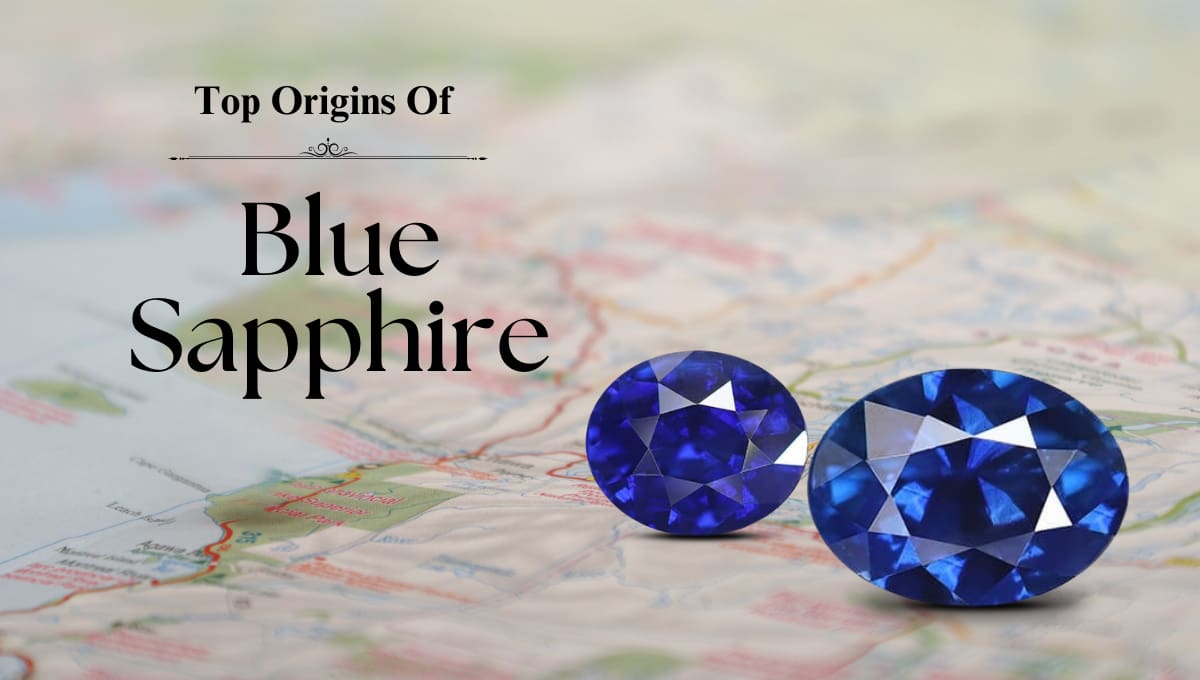
Blue Sapphire, known as Neelam stone, Indraneelam, Mayuri Neelam, Aparajita Neelam, or teal sapphire, in Vedic astrology, is one of the most prized, alluring, and revered gemstones in the world. Its stunning blue hues when combined with its powerful astrological benefits, make it a popular choice for both gemstone collectors and those seeking its protective and prosperous effects. However, not all blue sapphires are created equal, and their origin plays a significant role in their quality, color, and value. The best and natural blue sapphires are sourced from some of the most renowned locations globally, each contributing unique qualities to the stone.
Sri Lanka, with its ancient mining history, is one of the most fabled sources for producing vibrant Ceylon blue sapphires, while the rare and highly sought-after Kashmir sapphires are known for their velvety blue shade. Madagascar has also emerged as a major source, offering stones with deep, rich blue tones. Understanding the top sources of blue sapphire is essential for anyone looking to invest in this extraordinary gem, as it helps in identifying the most valuable and authentic stones. In this guide, we explore the top origins of original blue sapphire, shedding light on what makes each source special and how it influences the stone’s overall appeal and worth.
How Blue Sapphires Are Formed Geologically
Geological Settings
Blue sapphires form in several distinct geological environments, each contributing to unique characteristics of the gems:
Metamorphic Rocks:
Most common setting for blue sapphire formation
Typically found in marble, gneiss, and schist
High-grade metamorphism of aluminum-rich sedimentary rocks
Read Worthy: – How To Check If Blue Sapphire Suits You
Magmatic Rocks:
Less common but significant source
Found in syenites, nepheline syenites, and certain basalts
Crystallize directly from magma or form during late-stage magmatic processes
Placer Deposits:
Secondary deposits formed by weathering and erosion of primary sources
Found in alluvial sediments in rivers and beaches
Often yield high-quality gems due to natural sorting and abrasion processes
Chemical Composition and Crystal Structure
Chemical Formula: Al₂O₃ (Aluminum Oxide)
Part of the corundum mineral family
Pure corundum is colorless
Crystal Structure:
Trigonal crystal system
Forms hexagonal prisms or tabular hexagonal shapes
Color-Causing Elements:
Iron (Fe³⁺) and Titanium (Ti⁴⁺): Primary chromophores for blue color
The intensity of blue depends on the ratio and concentration of these elements
Other Trace Elements:
Chromium (Cr): Can create purple undertones
Vanadium (V): Influences color saturation
Don’t MiSS: – Kashmir Blue Sapphires
Formation Process
High Pressure and Temperature Conditions:
Typically form at depths of 10-25 km in the Earth’s crust
Temperatures ranging from 500°C to 1800°C
Pressures exceeding 1 GPa (gigapascal)
Mineral-Rich Fluids:
Aluminum-rich fluids are crucial for sapphire formation
These fluids can be:
a) Metamorphic fluids released during rock transformation
b) Late-stage magmatic fluids in igneous environments
c) Hydrothermal fluids circulating through the crust
Crystallization Process:
Slow cooling of mineral-rich fluids allows for crystal growth
Sapphires grow atom by atom as the fluids deposit aluminum oxide
Growth rates can be extremely slow, sometimes just a few millimeters per million years
Metasomatism:
Chemical alteration of rocks by fluids
Can enrich surrounding rocks with aluminum and other necessary elements
Role of Tectonic Activity:
Plate tectonics create conditions for sapphire formation
Subduction zones and continental collisions provide necessary heat and pressure.
Also Read: – Blue Sapphire Price Guide
Top Sources of Natural Blue Sapphire
The quality and value of a blue sapphire depend on various factors, including its color, clarity, cut, and carat weight. One of the key factors influencing the value is its origin. Here are some of the top sources of blue sapphire:
1. Sri Lanka
Sri Lanka has long been renowned as one of the primary sources of natural ceylon blue sapphire. The island nation has a rich history of gemstone mining, dating back centuries. Sri Lankan sapphires are often characterized by their vibrant blue color, high clarity, and excellent cut. They are particularly prized for their “velvet blue” hue, which is considered to be the most desirable shade of blue sapphire.
2. Myanmar (Burma)
Myanmar, formerly known as Burma, is another significant source of blue sapphire. Burmese sapphires are known for their exceptional clarity and intense blue color. They often exhibit a “cornflower blue” hue, which is highly sought after by collectors and jewelers. Burmese sapphires are also renowned for their large size and high-quality crystals.
3. Thailand
Thailand has emerged as a significant player in the global blue sapphire market. Thai sapphires are often characterized by their deep blue color and good clarity. They are known for their affordability compared to sapphires from other sources, making them a popular choice for jewelry buyers.
4. Australia
Australia has produced high-quality blue sapphires in recent years. Australian sapphires are known for their variety of colors, including blue, pink, yellow, and green. They are also characterized by their large size and good clarity.
5. Madagascar
Madagascar has gained recognition as a source of high-quality blue sapphires. Malagasy sapphires are often characterized by their intense blue color and good clarity. They are also known for their unique crystal formations and inclusions, which can add to their value and character.
6. Nepal
Nepal has a long history of gemstone mining and has produced high-quality blue sapphires. Nepalese sapphires are known for their deep blue color and good clarity. They are also characterized by their unique crystal formations and inclusions, which can add to their value and character.
7. Vietnam
Vietnam has recently emerged as a source of blue sapphire. Vietnamese sapphires are known for their deep blue color and good clarity. They are also characterized by their large size and high-quality crystals.
It’s important to note that the quality and value of a blue sapphire can vary significantly depending on various factors, including its origin. While the countries listed above are some of the top sources of blue sapphire, it’s essential to consider other factors such as color, clarity, cut, and carat weight when evaluating a sapphire’s value.
Check Out: – Different Types of Blue Sapphire
