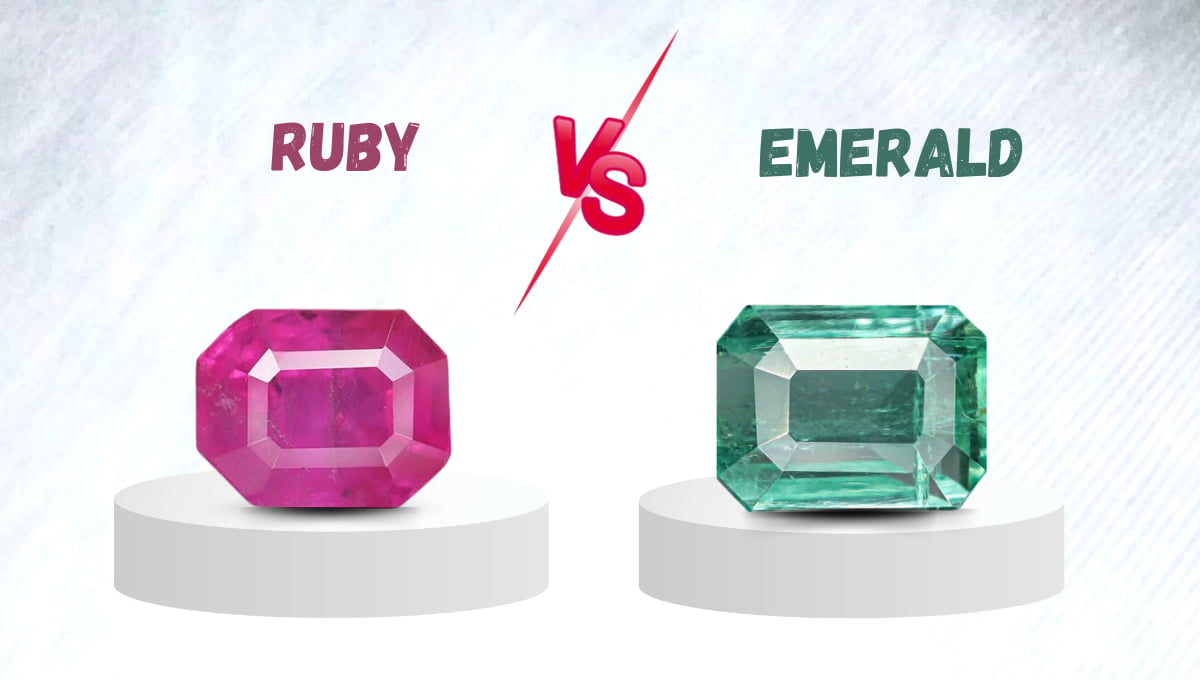
In the world of gemstones, few rivalries are as timeless and captivating as the debate between ruby and emerald. These two precious stones have adorned royalty, inspired legends, and captivated the hearts of gem enthusiasts for centuries. Each possesses a unique allure, steeped in history, symbolism, and unparalleled beauty.
Rubies, with their rich red hues reminiscent of passion and power, have been cherished since ancient times for their rarity and intensity. Emeralds, on the other hand, with their lush green tones symbolizing nature and renewal, have adorned the crowns of kings and the jewelry boxes of connoisseurs worldwide. Both gems hold significant cultural and mystical meanings across different civilizations, adding layers of fascination to their already mesmerizing appeal.
Join us as we delve into the captivating world of rubies and emeralds. Discover the geological origins that make each stone unique, explore the historical contexts in which they have been revered, and uncover the modern-day significance of these timeless gems. Whether you’re a gemstone aficionado, a history buff, or simply someone drawn to the allure of luxury and beauty, this exploration promises to reveal the secrets and stories behind two of the world’s most precious treasures. Embark on a journey through time and across continents, where natural rubies blaze with fiery passion and emeralds shimmer with the mysteries of the natural world.
Table of Contents
Ruby vs Emerald: Origin
Ruby
Rubies, often hailed as the “king of gemstones,” are born in the heart of the Earth, under immense pressure and temperature. They are a variety of the mineral corundum, the same material that gives birth to sapphires. However, it’s the presence of chromium that imbues rubies with their characteristic fiery red hue.
The most coveted rubies hail from the mystical lands of Myanmar (formerly Burma), where the perfect balance of geological conditions has produced stones of unparalleled beauty. These rubies, known for their intense “pigeon blood” color, are the holy grail for collectors and connoisseurs alike. However, the journey of a ruby doesn’t end there. Countries like Afghanistan, Mozambique, and Thailand also contribute to the global ruby supply, each with its unique characteristics.
Emerald
Emeralds, on the other hand, are born of a different geological process. They are a variety of the mineral beryl, and their enchanting green color is a result of trace amounts of chromium and vanadium. These precious gems are often found in deep fissures within the Earth’s crust, where hydrothermal fluids have deposited the necessary minerals for emerald formation.
Colombia, with its rich geological history, has long been synonymous with emeralds. The Colombian emerald, renowned for its vibrant green color and exceptional clarity, is the benchmark against which all other green emeralds are measured. Yet, the allure of the emerald extends beyond Colombian borders. Countries like Zambia, Brazil, and Zimbabwe also produce stunning emeralds, each with its own distinctive qualities.
Read Worthy: – Ruby vs Pink Sapphire
Ruby vs Emerald: Color
Rubies: Deep, rich red is the hallmark of rubies. The finest specimens exhibit a vibrant, saturated hue often described as “pigeon’s blood red.” This intense color ranges from vivid crimson to slightly purplish-red. The red in rubies comes from traces of chromium in their crystal structure. Under different lighting, rubies can display subtle variations, sometimes flashing hints of pink or raspberry. The most prized rubies have a strong red fluorescence, giving them an inner fire that seems to glow from within.
Emeralds: The color of emeralds is a lush, verdant green that captures the essence of nature’s vitality. The most valuable emeralds display a deep, pure green with a slight bluish tint, often referred to as “Colombian green.” This color can range from a bright, grassy green to a more subdued forest green. The green in emeralds is due to traces of chromium and sometimes vanadium. High-quality emeralds often have a velvety appearance, with a rich, even color distribution. In different lights, emeralds can reveal subtle nuances, from cool blue-greens to warmer yellow-greens.
Ruby vs Emerald: Physical Properties
When comparing rubies and emeralds based on their physical properties, several key distinctions highlight their unique characteristics. Rubies, composed of aluminum oxide (corundum), are exceptionally hard, ranking 9 on the Mohs scale, just below diamonds. This hardness makes rubies highly resistant to scratching and suitable for everyday wear in jewelry. Their intense red coloration, attributed to chromium impurities, lends them a vibrant and fiery appearance that symbolizes passion and vitality.
In contrast, emeralds belong to the beryl family and are softer than rubies, typically ranking 7.5 to 8 on the Mohs scale. This lower hardness means emeralds require more careful handling to prevent scratches and damage. Their captivating green hues come from trace amounts of chromium, vanadium, or iron within the crystal structure. Unlike rubies, emeralds often contain visible inclusions and fractures known as “jardin,” which are considered part of their character and can affect their durability.
Don’t Forget to Check: – Ruby vs Garnet
Ruby vs Emerald: Price
Rubies, with their fiery red allure, often fetch astronomical sums. The finest specimens, particularly those of Burmese origin, can easily command prices from $10,000 to well over $100,000 per carat. The market has seen rubies achieve staggering heights, with the famed Sunrise Ruby setting a record at $1.18 million ruby price per carat in 2015. This 25.59-carat Burmese ruby, untreated and of exceptional quality, showcases the pinnacle of ruby valuation.
Emeralds, with their lush green hues, are not far behind in the price echelons. Top-quality emeralds price, especially those from Colombia, can range from $6,000 to $80,000 or more per carat. The legendary Rockefeller Emerald made headlines in 2017 when it sold for $305,000 per carat, affirming the emerald’s status in the high-end gemstone market.
The pricing of both gems is a complex dance of factors. Color reigns supreme – the deep “pigeon’s blood” red of the finest rubies and the intense “Colombian green” of top emeralds can multiply their value exponentially. Clarity follows closely, with flawless or near-flawless stones commanding premium prices. Origin plays a crucial role too; Burmese rubies and Colombian emeralds often outprice their counterparts from other regions.
Don’t Miss: – Old Burma Ruby vs New Burma Ruby
Ruby vs Emerald: Astrological Benefits
The benefits of manik stone are umpteen. Rubies, with their deep red hue, are associated with the Sun in Vedic astrology. They are believed to enhance vitality, energy, and leadership qualities. It is said that wearing a ruby can boost confidence, promote success in endeavors, and ignite passion in relationships. This gemstone is often recommended for individuals seeking to strengthen their willpower and overcome obstacles.
Emeralds, on the other hand, are linked to the planet Mercury. Their lush green color symbolizes growth, intelligence, and communication. In astrology, emeralds are believed to enhance mental clarity, improve decision-making skills, and foster creativity. They are often recommended for those involved in fields requiring sharp intellect and effective communication, such as writers, artists, and speakers.
Also Read: – Ruby vs Spinel
Ruby vs Emerald: Affordability & Popularity
Affordability
Rubies: High-quality rubies, especially those with the coveted “pigeon blood” color, can be extremely expensive. However, smaller rubies of good quality are often more accessible to a wider range of budgets.
Emeralds: Similar to rubies, top-tier emeralds, particularly those from Colombia with exceptional color and clarity, are priced at a premium. Nevertheless, there are a variety of emerald options available at different price points, allowing for a wider range of choices.
Popularity: Timeless Allure
Rubies: As the “king of gemstones,” rubies have long been associated with passion, love, and power. Their fiery red color makes them a striking choice for jewelry, and they have been cherished by royalty and the elite for centuries.
Emeralds: Known for their captivating green hue, emeralds symbolize growth, renewal, and fertility. They have been admired for their beauty since ancient times and continue to be a popular choice for engagement rings and other fine jewelry.
Check Out: – Ruby vs Rubellite
