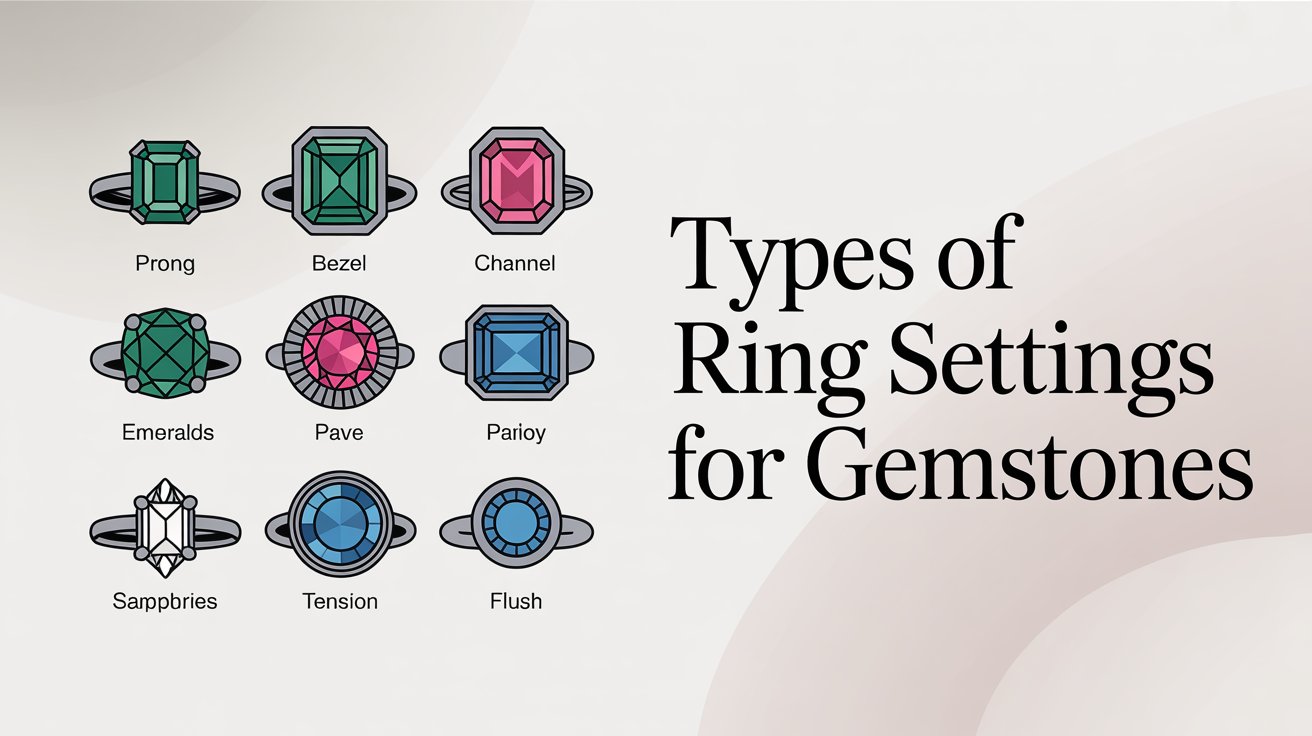
Gemstones are enormously acknowledged across the world for their majestic appearance, gargantuan astrological benefits, and varied implications in different industry verticals. People embrace gemstones in different jewelry types like rings, pendants, bracelets, and earrings to get the most out of them. Because gemstones have to touch the skin properly in order to deliver the desired benefits.
Out of all the jewelry types, the ring style is the most prevalent and preferred one, as it’s easy to integrate into the different styles of ring settings and seamless to embrace. When it comes to ring settings for gemstones, multiple options are available according to the size and cut of the gemstones. Faceted gemstones like neelam ratna or gomedhikam stone can be fit only in particular ring settings. On the other hand, cabochons like red coral stone or opals require completely different ring settings to fit well. So, which ring setting is ideal for gemstones? This comprehensive blog post comprises popular ring settings for gemstones that will help you understand the technicalities behind ring settings and why some gemstones can fit only in particular ring settings.
Types of Ring Settings for Gemstones
Bar Setting
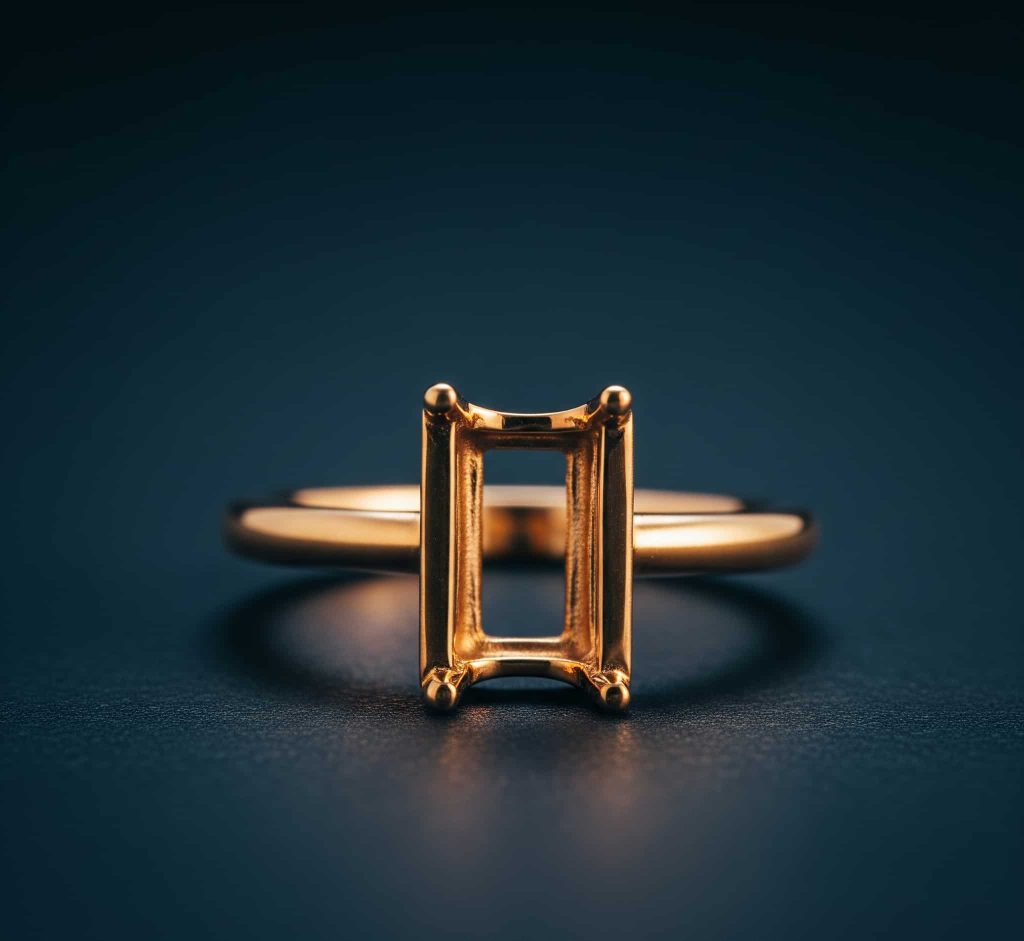
The bar setting is a sleek, modern ring setting where gemstones are secured between vertical metal bars, leaving the sides of the stones exposed. This creates a continuous row of gems with a bold, open look, often used in eternity bands or accent stone designs. This ring setting is ideal for diamonds and blue sapphires stone.
Pros
Enhanced Visibility: The open sides allow maximum light exposure, showcasing the gemstones’ brilliance and sparkle.
Modern Aesthetic: Its clean, geometric lines offer a contemporary, minimalist style.
Secure Design: The metal bars provide strong support, reducing the risk of stones falling out.
Versatile: Works well for both primary and accent stones in various ring designs.
Cons
Less Protection: Exposed stone edges are more prone to chipping or damage, especially for softer gems.
Cleaning Challenges: Debris can accumulate under the stones, requiring regular maintenance.
Limited Resizing: The rigid structure makes resizing difficult or impossible without compromising the design.
Potential Snagging: Exposed edges may catch on clothing or other objects.
Check Here: – Best Heat Resistant Gemstones
Halo Setting
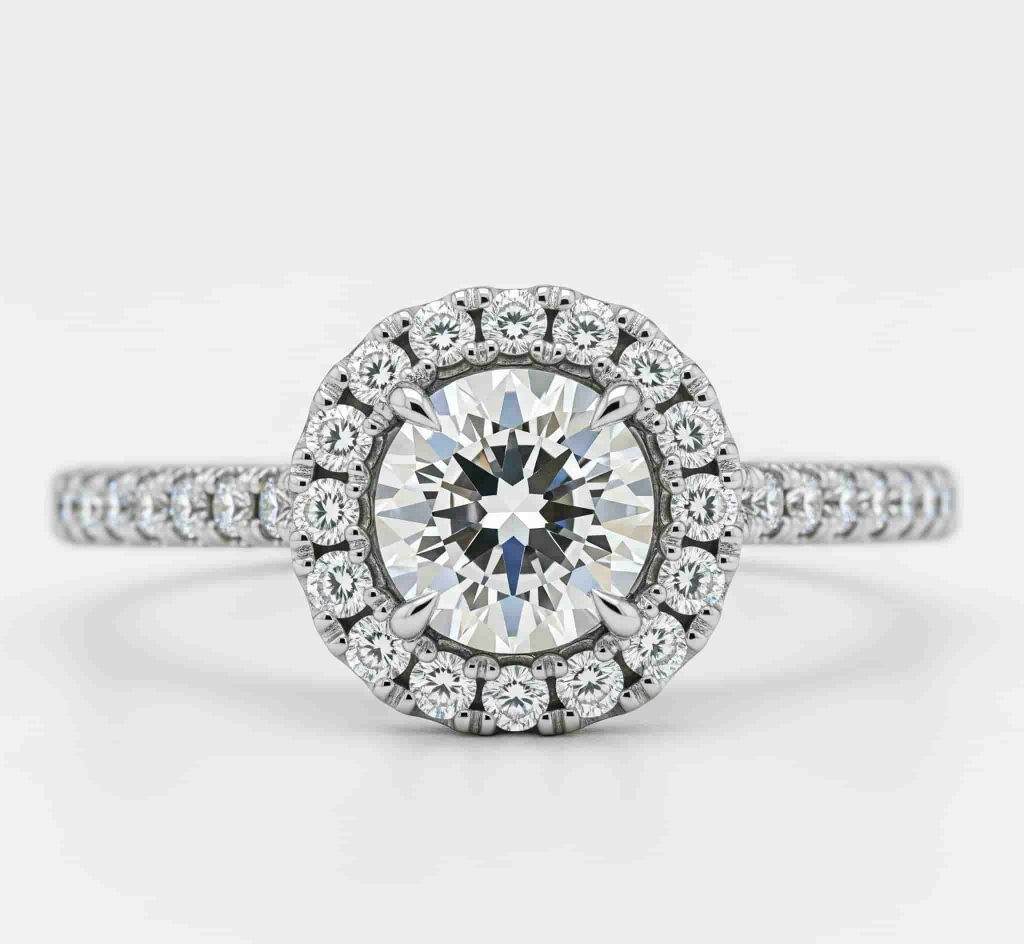
A halo setting features a central gemstone encircled by a “halo” of smaller, pavé-set diamonds or gemstones. This frame sits directly around the main stone, enhancing its presence. A Halo setting is best for high Mohs hardness number gemstones like pink sapphires and white sapphires.
Pros
Maximizes Size & Impact: The halo creates significant sparkle and makes the center stone appear much larger visually.
Intensifies Brilliance: The surrounding stones catch and reflect light, adding incredible fire and brightness to the entire ring.
Protects the Center Stone: The halo can act as a protective barrier for the girdle and edges of the central gem.
Cons
Higher Cost: Requires significantly more small stones and intricate craftsmanship, increasing the price.
More Maintenance: Prongs holding the halo stones can catch on fabrics; dirt can accumulate more easily, requiring more frequent professional cleaning.
Potential for Stone Loss: While offering protection to the center stone, the tiny halo stones themselves have tiny prongs and are more vulnerable to being knocked loose over time.
Peek Here: – How are Gemstones Different from Regular Minerals
Bezel Setting
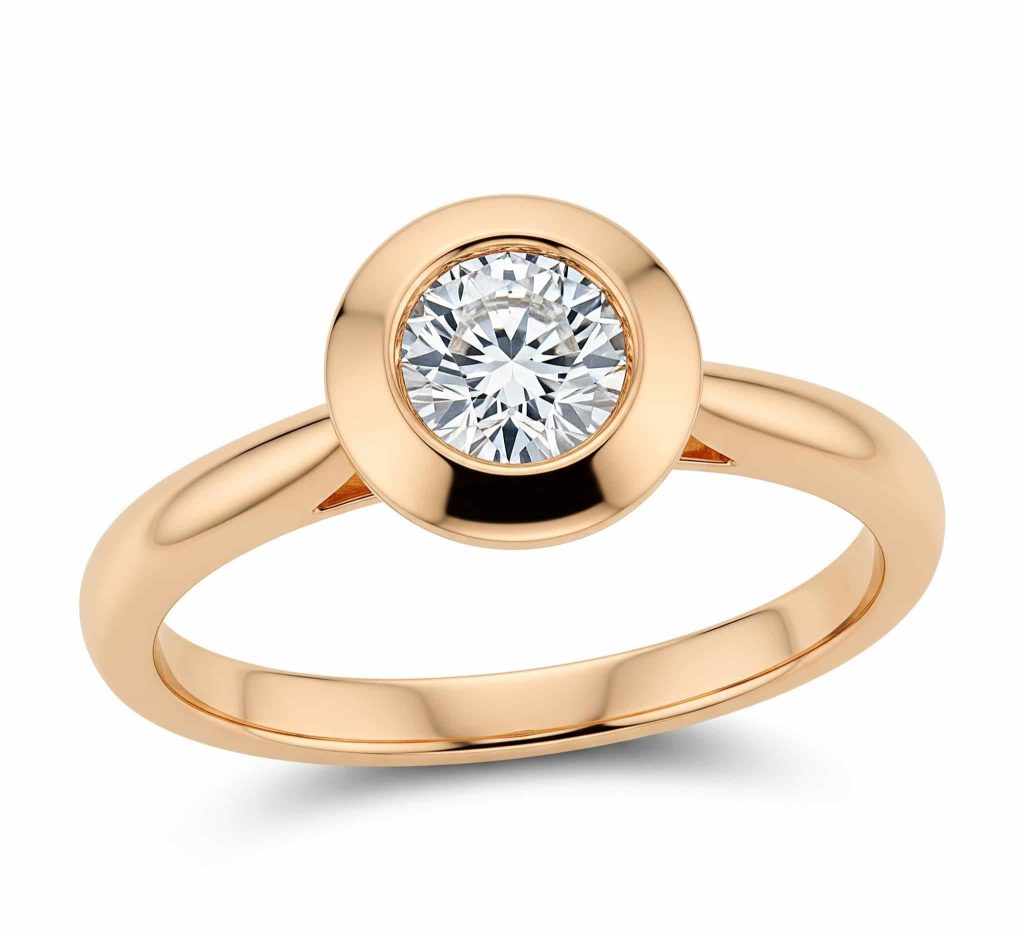
A bezel setting is a style of jewelry setting where a metal rim fully encircles and holds the gemstone securely in place. Unlike prong settings that use claws, the bezel setting offers a sleek, modern look with excellent protection for the stone. Bezel setting is one of the most popular types of ring setting and is widely used for gemstones like Moissanite and manik stones.
Pros of Bezel Settings:
Durability: Offers superior protection to the gemstone, making it ideal for everyday wear.
Security: Reduces the risk of the stone becoming loose or falling out.
Modern Aesthetic: Clean, minimalist design that appeals to contemporary tastes.
Comfort: Smooth edges reduce the chance of snagging on clothing.
Cons of Bezel Settings:
Less Sparkle: The metal rim can block some light entry, reducing brilliance compared to open settings.
Harder to Resize: The presence of a continuous metal rim around the stone can complicate resizing.
Heavier Look: Can make the stone appear smaller or give the ring a bulkier appearance.
Bookmark Worthy: – Gemstones to Improve Aura
Tension Setting
A tension ring setting is a modern, minimalist design where the gemstone appears to “float” between the two ends of the ring band, held in place by the metal’s spring tension rather than traditional prongs or bezels.The ring band is precisely engineered with a gap that’s slightly smaller than the gemstone. When the stone is inserted, the metal’s tension grips it securely at two opposing points, creating the illusion that the gem is suspended in mid-air. This setting type is ideal for natural and ceylon yellow sapphires and diamonds.
Pros
Visual Impact: Creates a striking, contemporary appearance with maximum light exposure to the gemstone, enhancing its brilliance and fire.
Comfort: The smooth band design eliminates prongs that might catch on clothing or scratch.
Stone Visibility: Offers unobstructed views of the gemstone from multiple angles, showcasing its full beauty.
Modern Aesthetic: Perfect for those seeking a sleek, architectural look that stands out from traditional settings.
Cons
Limited Sizing: Difficult or impossible to resize due to the precise engineering required for proper tension.
Durability Concerns: The open design makes the stone more vulnerable to impacts that could loosen the tension grip.
Gemstone Restrictions: Only works with harder stones that can withstand the pressure without cracking.
Higher Cost: Requires precision manufacturing and specialized expertise, making it more expensive than traditional settings.
Prong Setting
The prong setting is one of the most popular and classic choices for engagement rings and other gemstone jewelry. It features small metal claws or prongs that hold the gemstone securely in place, allowing maximum light to enter the stone and enhance its brilliance. This setting is best for natural emerald gemstones and rubies.
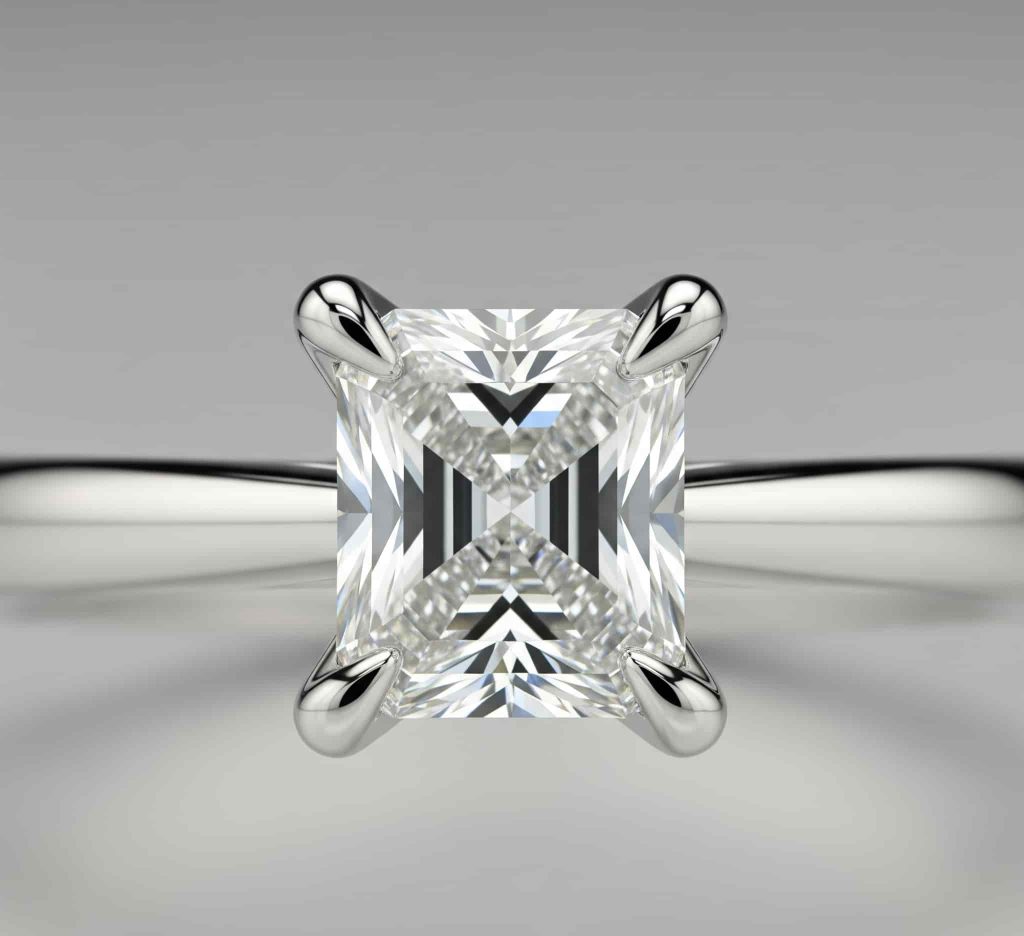
Pros of Prong Setting:
Maximizes Brilliance: By exposing a large surface area of the gemstone, the prong setting allows light to enter and exit from nearly all angles, significantly enhancing its sparkle and fire.
Showcases the Gemstone: With minimal metal covering the stone, the prong setting makes the gemstone the focal point, allowing its beauty and size to be fully appreciated.
Cons of Prong Setting:
Less Secure (Potentially): While generally secure, prongs can snag on clothing, hair, or other objects, potentially bending or breaking over time. This can loosen the gemstone and increase the risk of it falling out if not regularly checked.
Vulnerability to Damage: The exposed girdle and pavilion of the gemstone are more susceptible to chips and scratches, especially for softer gemstones or if the ring is worn during rigorous activities.
Read Worthy: – Are Gemstones Better Than Gold As an Investment
Pave Setting
The pavé (pronounced pa-vay) setting involves small gemstones—typically diamonds—set closely together with minimal visibility of the metal prongs or beads that hold them in place. This creates a continuous sparkling surface, like the ring is “paved” with stones. Best setting for diamonds, rubies, and sapphires.
Pros:
Brilliant Sparkle: The closely set stones maximize light reflection for a dazzling effect.
Elegant & Luxurious Look: Enhances the overall appearance of the ring, making it look more expensive.
Versatile Design: Works well with various ring styles and center stones.
Cons:
Delicate Maintenance: Tiny stones can loosen or fall out over time, requiring careful wear and maintenance.
Difficult Resizing: The setting makes resizing tricky and sometimes risky.
Higher Cost: Labor-intensive due to the precise setting of multiple small stones.
Solitaire Ring Setting
The solitaire ring setting is a classic and timeless design featuring a single gemstone prominently displayed on a simple band, emphasizing the stone’s beauty and brilliance. It’s one of the most popular choices for engagement rings due to its elegance and versatility.
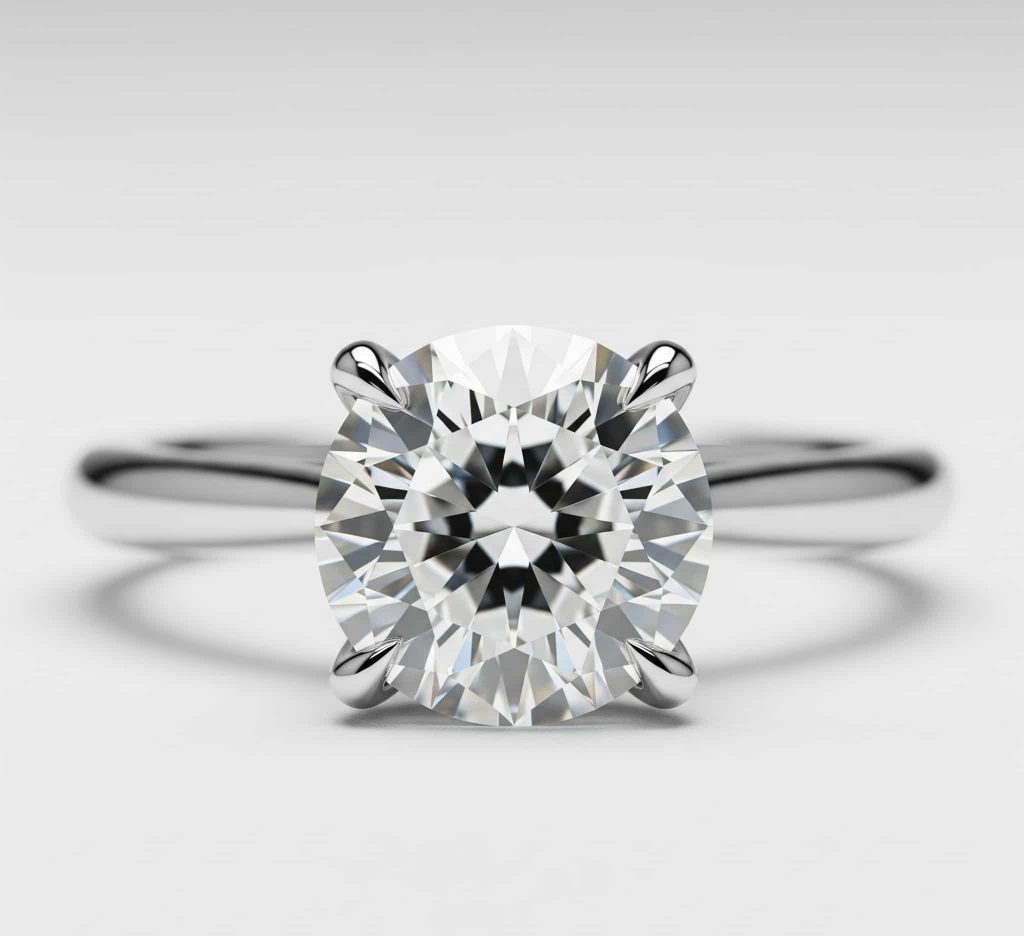
Pros:
Timeless Appeal: The minimalist design ensures it never goes out of style.
Maximizes Brilliance: With no surrounding stones, the center gemstone captures and reflects light beautifully.
Versatile: Complements various gemstone shapes (round, princess, oval, etc.) and band styles.
Easy to Maintain: Fewer crevices make cleaning straightforward.
Customizable: Works well with different metals (gold, platinum, etc.) and prong styles (4 or 6 prongs).
Cons:
Less Sparkle Variety: Lacks additional stones for extra brilliance compared to halo or pavé settings.
Prong Vulnerability: High-set prongs can catch on clothing or loosen over time, requiring regular checks.
Limited Design Complexity: May feel too simple for those preferring intricate designs.
Costly for Large Stones: The focus on a single stone means a larger, high-quality gem can be expensive.
Don’t Miss: – How to Perform Vedic Pooja of Gemstones
Split Shank
A split shank ring features a band that divides into two or more strands as it approaches the center stone, creating a “split” or “open” look before reuniting at the base of the setting. This design draws the eye towards the center gemstone. Split shank is best suited for aquamarine stones and morganite.
Pros
Distinctive & Eye-Catching: Creates a bold, unique look with strong visual impact and architectural interest.
Frames the Center Stone: The split naturally funnels attention towards the central gem, making it the clear focal point.
Enhanced Presence: Makes the band appear wider and more substantial without actually adding excessive metal weight over the entire finger.
Cons
Potential Discomfort: If the split is sharp or positioned low, the edges can sometimes pinch the adjacent fingers (especially if the ring spins). Comfort-fit designs mitigate this.
Difficult to Resize: Resizing a split shank is complex and often expensive. Significant resizing might alter the split’s symmetry or require major reconstruction. Getting the correct size initially is crucial.
Gypsy Setting
The gypsy setting , also known as a flush or burnish setting , is a sleek and modern ring design where the gemstone is set directly into the metal, sitting almost level with the band. This style is especially popular for men’s rings and contemporary jewelry due to its smooth finish and durability.
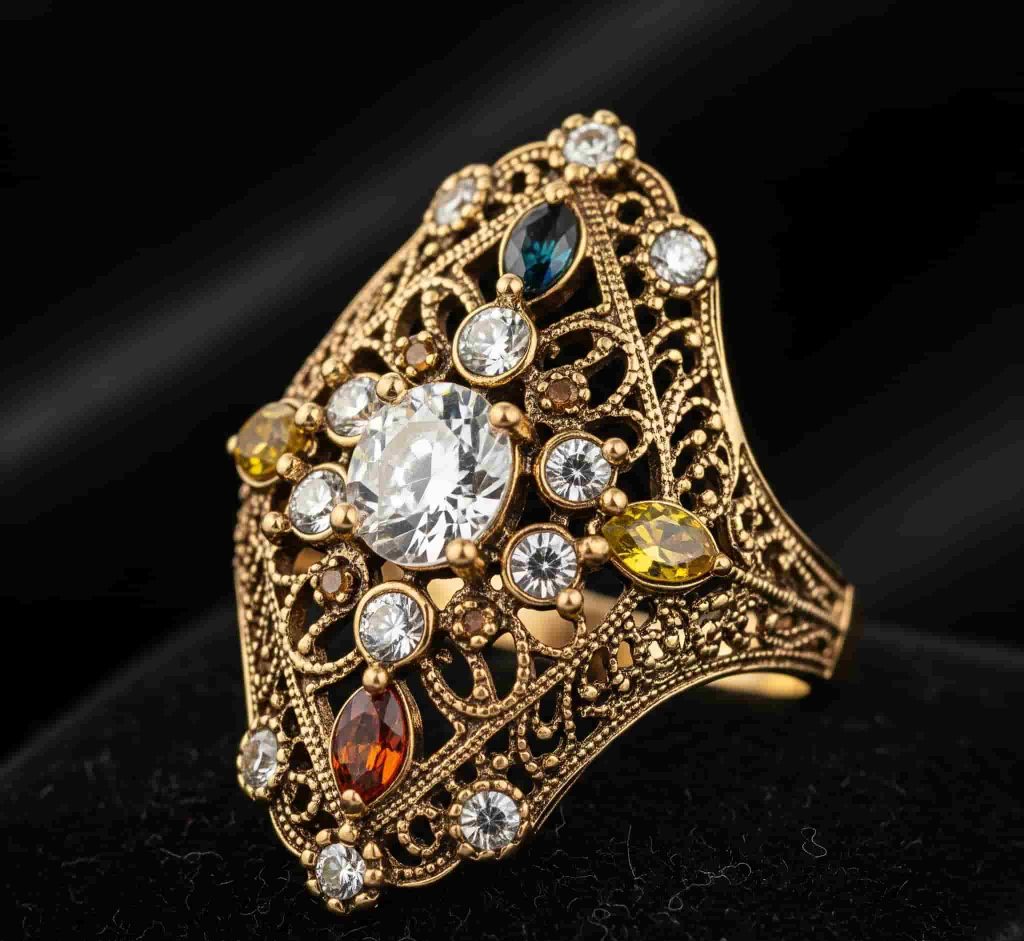
Pros of Gypsy Settings:
Secure Hold: The stone is tightly encased in metal, making it less likely to snag or become dislodged.
Low Profile: Offers a clean, minimalist look that sits flat against the finger—ideal for those with active lifestyles.
Durability: Great for everyday wear since there are no prongs or exposed edges to bend or break.
Masculine Appeal: Often preferred in men’s jewelry for its bold, understated aesthetic.
Cons of Gypsy Settings:
Limited Light Exposure: Since the stone is partially embedded, it may not sparkle as intensely as in other settings.
Difficult Repairs: Resetting or resizing can be tricky without affecting the stone or surrounding metal.
Not Ideal for Large Stones: Best suited for smaller stones (typically 3–5mm), as larger gems are harder to secure effectively.
Also Read: – Which Gemstones Are Favorable for Doctors
Channel Setting
A channel setting features gemstones set in a continuous row within a groove or “channel” carved into the ring band. The stones are held securely between two parallel walls of metal, with no metal separating individual gems, creating a smooth, uninterrupted line of sparkle.
The jeweler creates a precise channel by carving parallel grooves into the metal band. Gemstones are placed side-by-side in this channel, with the metal walls holding them firmly in place through compression. Ideal for diamonds and pachu stones.
Pros
Smooth Profile: Creates a sleek, flush surface with no protruding prongs that could catch on clothing or scratch.
Maximum Security: Stones are well-protected on multiple sides, reducing the risk of loss or damage from impacts.
Continuous Sparkle: The unbroken line of gems creates impressive light reflection and visual impact.
Cons
Sizing Limitations: Difficult to resize without disrupting the stone placement and channel integrity.
Cleaning Challenges: Dirt and debris can accumulate in the channel, requiring professional cleaning tools to reach tight spaces.
Stone Replacement Difficulty: If one stone is damaged, the entire channel may need to be rebuilt to replace it.
Limited Light Entry: Less light reaches the stones compared to prong settings, potentially reducing brilliance.
Check Out: – Does Wearing Gemstones Have any Biological, Psychological, or Physiological Effect?
