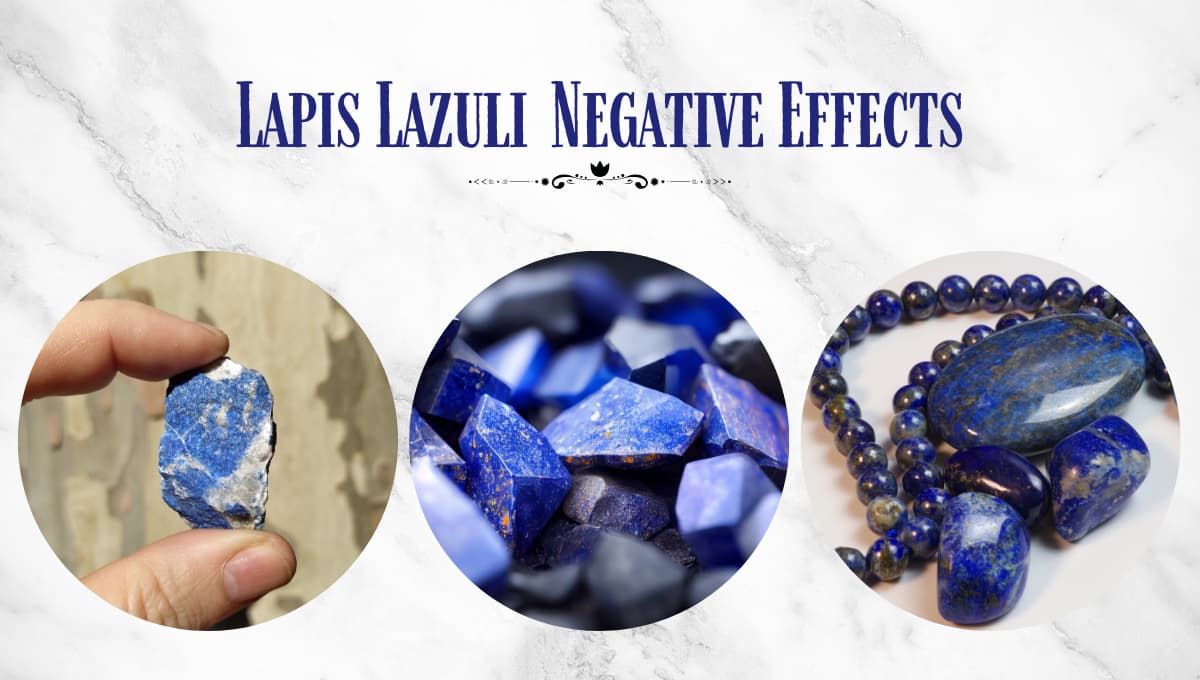
For centuries, lapis lazuli—the mesmerizing azure gemstone flecked with golden pyrite—has been revered as a symbol of royalty, spirituality, and artistic mastery. From the funeral mask of Tutankhamun to Renaissance masterpieces, its vivid hue has transcended time and culture. Yet, behind its celestial beauty lies a darker narrative seldom told. While lapis lazuli continues to enchant jewelers and collectors, its allure conceals a web of ethical, environmental, and health-related controversies that demand scrutiny.
While Lapis Lazuli is known to enhance communication and intuition, it can also have adverse effects, especially if worn improperly or by individuals who are not suited for its intense energies. Some users report experiencing headaches, emotional turbulence, or even excessive overthinking due to its strong metaphysical vibrations. In astrology, it is believed that wearing Lapis Lazuli without proper guidance can lead to imbalance, restlessness, and heightened sensitivity. In this article, we will explore the potential negative effects of Lapis Lazuli, who should avoid it, and how to use it safely to maximize its benefits while minimizing any unwanted consequences.
Major Side Effects of Lapis Lazuli
Physical Health Risks
Skin Irritation and Allergies: Lapis lazuli contains pyrite (iron sulfide) and calcite, which may react with sweat or skin oils. Sensitive individuals might experience rashes, itching, or dermatitis, particularly if the stone is unpolished or set in abrasive settings.
Toxicity from Treatments: Some lapis lazuli stones are dyed or chemically treated to enhance its color. These treatments can leach harmful substances when exposed to moisture, posing risks if absorbed through the skin.
Structural Vulnerability: With a Mohs hardness of 5–6, lapis is relatively soft. Over time, it may develop sharp edges or cracks, increasing the risk of cuts or scratches.
Don’t Miss: –Benefits of Lapis Lazuli
Emotional and Psychological Effects
Overstimulation: Lapis lazuli is known for stimulating the third eye and throat chakras, which can lead to an overwhelming increase in mental activity. For individuals prone to anxiety or overthinking, this can exacerbate these conditions, potentially leading to emotional chaos or discomfort by unmasking deep-seated issues or memories.
Intense Emotional Reactions: The stone’s power to foster self-awareness might not always be comforting. Some users report feeling emotionally scattered or anxious when wearing lapis lazuli, especially if they are not prepared for the emotional introspection it can induce.
Over-Reliance on Metaphysical Beliefs: While some wear lapis for its purported calming or intuitive benefits, excessive dependence on these traits might lead to anxiety if expectations aren’t met. This could delay seeking professional mental health support.
Nocebo Effect: Beliefs in negative energies or “cursed” stones might foster stress or paranoia in susceptible individuals, despite lacking scientific basis.
Spiritual Considerations
Energy Overload: Lapis lazuli is considered a spiritually potent stone. Those who are highly sensitive might find its energy too intense, leading to a feeling of being ‘knocked out of their bodies’, as described by some users on forums like Reddit. This can result in feelings of disconnection or spiritual overwhelm.
Incompatibility with Personal Energy: Not all individuals resonate with the energy of lapis lazuli. Some might find that instead of bringing harmony, it introduces discord into their personal energy fields or exacerbates negative traits due to its strong influence.
Practical Considerations
Durability: Lapis lazuli is a relatively soft stone, scoring between 5 to 5.5 on the Mohs hardness scale. This means it can be easily scratched or damaged, which might not only affect its appearance but also its metaphysical properties. Constant wear, especially in an active lifestyle, might lead to the degradation of the stone, potentially diminishing its benefits or causing physical harm if pieces break off.
Maintenance and Care: The care required for kakaneeli stone can be intensive due to its sensitivity to light, heat, and chemicals. Improper handling or cleaning can lead to the stone deteriorating, which might not only reduce its aesthetic value but could also release harmful substances if not managed correctly.
Also Read: –Iolite Stone Benefits for Astrology
How to Mitigate Negative Effects of Lapis Lazuli
Source Verification: Purchase from reputable sources that test for harmful substances or provide lab certificates.
Moderation: Wear lapis lazuli in moderation, giving your body breaks from its influence.
Personal Compatibility: Consider your sensitivity to crystal energies or allergies before wearing lapis lazuli extensively.
Protective Measures: Use gloves when handling raw or damaged pieces, and ensure jewelry is set in metals like silver or platinum that harmonize with the stone’s energy.
Seek Balance: If you experience negative effects, consider balancing with grounding stones or reducing exposure.
In conclusion, while lapis lazuli has numerous touted benefits, it’s essential to approach its use with awareness of these potential downsides. Understanding and respecting the stone’s properties, along with listening to your body’s responses, can help you enjoy its beauty and benefits while minimizing any adverse effects.
Who Should Not Wear Lapis Lazuli
Lapis lazuli is a beautiful and powerful gemstone that has been used for centuries for its spiritual and healing properties. However, it is not for everyone.
Here are some of the people who should not wear lapis lazuli:
People with high blood pressure: Lapis lazuli can raise blood pressure, so people with high blood pressure should avoid wearing it.
People with kidney problems: Lapis lazuli can also irritate the kidneys, so people with kidney problems should avoid wearing it.
Pregnant women and nursing mothers: There is not enough research to determine whether lapis lazuli is safe for pregnant women and nursing mothers to wear. Therefore, it is best to avoid wearing it during these times.
People who are taking blood-thinning medication: Lapis lazuli can interfere with blood-thinning medication, so people who are taking this type of medication should avoid wearing it.
People who are allergic to sulfur: Lapis lazuli contains sulfur, so people who are allergic to sulfur should avoid wearing it.
If you are not sure whether or not you should wear lapis lazuli, it is always best to talk to your doctor or a qualified healthcare professional.
Check Out: –Benefits of Sulemani Hakik
