
Green color gemstones have enticed and enthralled humanity with their vibrant hues and timeless allure and making them a perennial favorite in jewelry, decor, and even metaphysical practices. From the lush depths of dark green gemstones like Malachite to the ethereal shimmer of light green gemstones such as Moldavite, the world of green gemstone names offers a dazzling array of options for enthusiasts and collectors alike. These natural green gemstones, formed through intricate geological processes, derive their stunning colors from trace elements like iron, copper, or chromium, which interact with light to produce shades ranging from pale mint to deep forest tones.
Whether you’re drawn to the subtle elegance of Green Chrysoberyl or the bold, banded beauty of Malachite, each gem tells a unique story of nature’s artistry. This blog post explores a comprehensive list of green color gems, delving into their origins, properties, and the reasons behind their captivating green hues. Perfect for those seeking inspiration for their next piece of jewelry or simply curious about the diversity of green gemstones, this guide celebrates the rich spectrum of natural green gemstones and their enduring place in human culture. Join us as we uncover the magic behind these green gemstone names and their mesmerizing appeal.
Peek Herre: – List of Blue Gemstone Names
List of Green Color Gems
Emerald
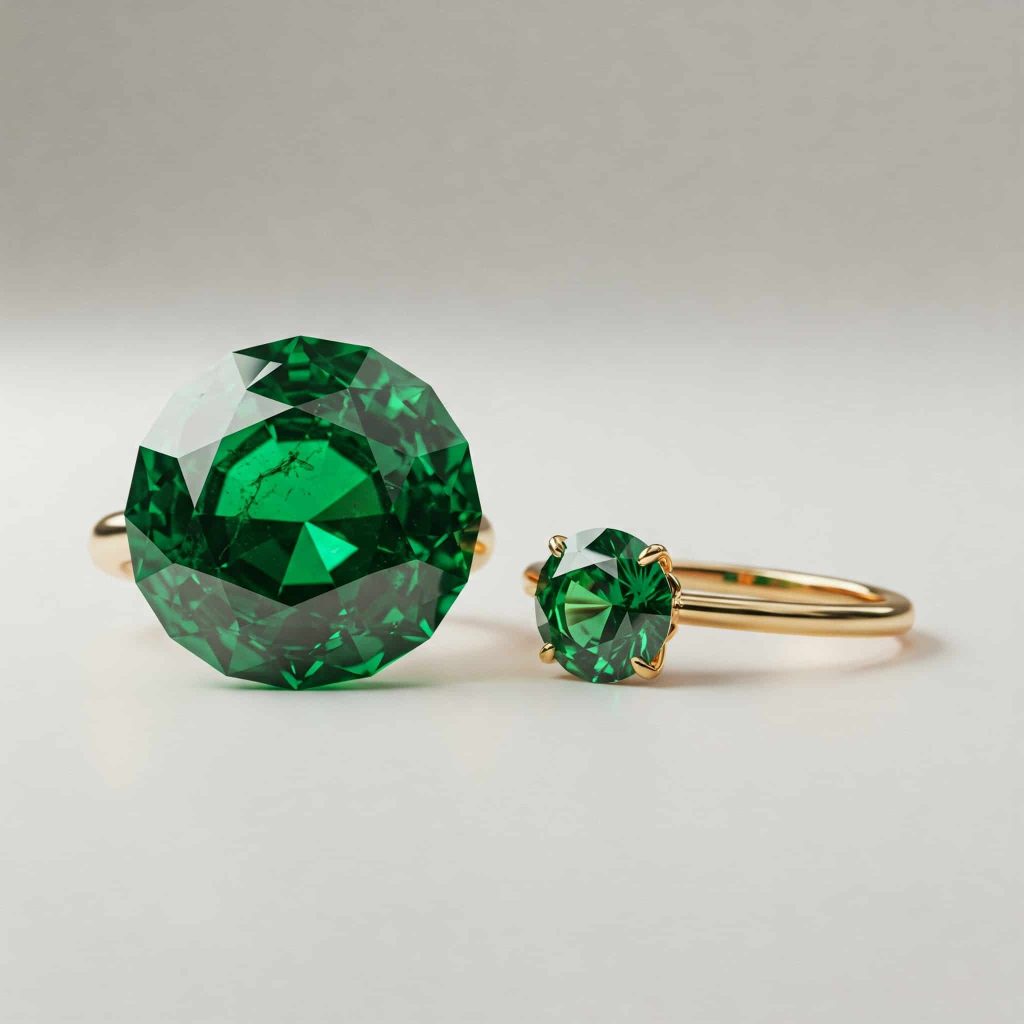
Emerald, one of the most iconic natural green gemstones, belongs to the beryl family and is treasured for its rich, vivid green hues. Its color stems from trace amounts of chromium and vanadium in its crystal structure. natural green Emeralds range from light green gemstones with a fresh, grassy tone to dark green gemstones with deep, velvety saturation. Prized for their rarity, these gems often contain natural inclusions called “jardin,” which add character. As one of the classic green gemstone names, emeralds symbolize renewal and are popular in high-end jewelry.
Peridot
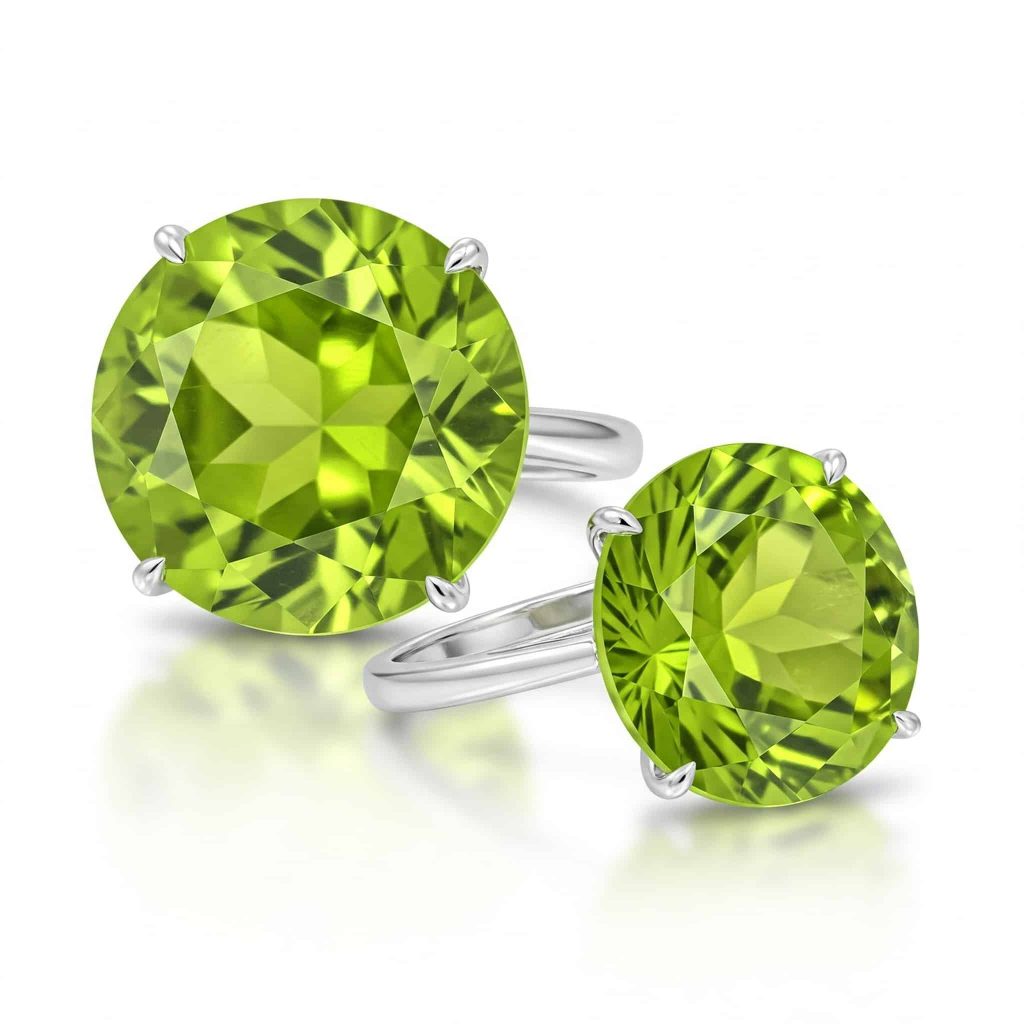
Peridot is a vibrant light green gemstone known for its signature olive or lime-green glow. Unlike many natural green gemstones, its color comes from iron within its mineral composition (olivine). Formed deep in the Earth’s mantle, peridot’s hue ranges from yellowish-green to bright chartreuse, rarely appearing dark. This gem is unique because it’s one of the few green gemstone names found in meteorites. Affordable and eye-catching peridot stone is often used in bohemian and summer-themed jewelry, embodying a cheerful, sunlit aesthetic.
Green Jade

Green Jade, a revered natural green gemstone, encompasses two minerals: nephrite and jadeite. Its color varies from pale, muted greens (light green gemstones) to intense emerald-like shades (dark green gemstones), depending on iron or chromium content. Jadeite jade, especially “Imperial Jade,” is the most valuable due to its translucent, vivid green hue. A cornerstone of Asian culture, jade symbolizes harmony and protection. As one of the oldest green gemstones names, it’s carved into art, jewelry, and spiritual objects, prized for its toughness and serene beauty.
Bookmark Worthy: – Red Gemstones Names
Green Tourmaline
Green Tourmaline, also known as Verdelite, is one of the most captivating members of the tourmaline family. This gemstone is celebrated for its vibrant green hues that range from light, minty greens to deep, forest greens. As a natural green gemstone, Green Tourmaline owes its stunning coloration primarily to traces of chromium and vanadium within its crystal structure. When light interacts with these elements, it produces the mesmerizing green shades that make this stone so desirable.
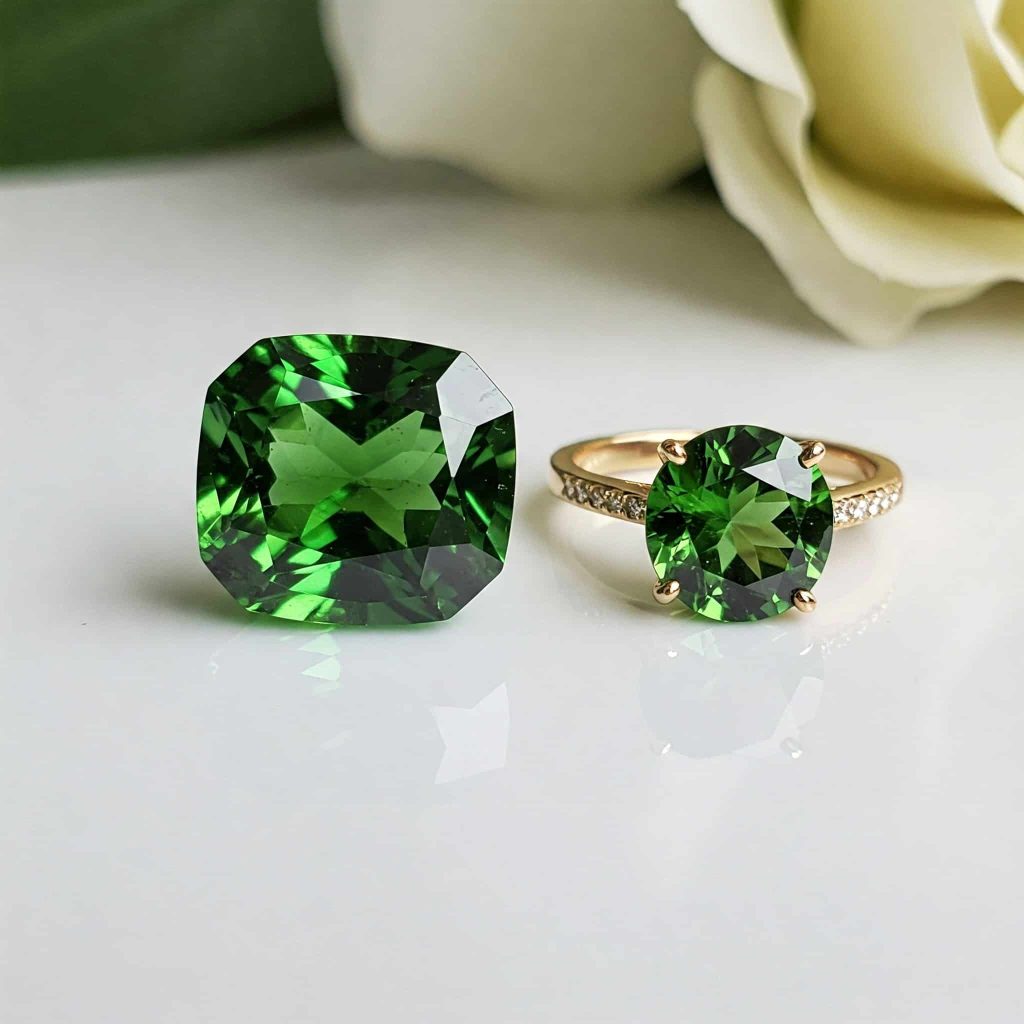
Green Tourmaline is often classified based on the intensity of its color. Light green gemstones are cherished for their refreshing and lively appearance, while dark green gemstones exude a more profound, earthy charm. Whether you’re looking for a subtle touch of green or a bold statement piece, Green Tourmaline offers a wide spectrum to suit various tastes. Among the list of green gemstone names, Green Tourmaline stands out due to its versatility and affordability compared to other green gemstones like emeralds.
Garnet
Garnet is typically associated with deep red tones, but the green garnet , specifically the Tsavorite and Demantoid varieties, is an exquisite departure from tradition. These natural green gemstones shine with a brilliance that rivals even the finest emeralds. The green color in garnets arises from the presence of elements such as chromium or vanadium, similar to Green Tourmaline. However, what sets green garnets apart is their exceptional clarity and fire, which makes them highly sought after in the world of fine jewelry.
Among the many green gemstone names , green garnets hold a special place due to their rarity and exceptional quality. Their ability to capture and reflect light gives them a sparkle that few other green gemstones can match. Whether set in a ring, necklace, or earrings, green garnets add a touch of elegance and sophistication to any piece of jewelry.
Green Sapphire
Green Sapphire, though not as widely recognized as its blue counterpart, is a remarkable natural green gemstone that deserves attention. Sapphires belong to the corundum family, and when they exhibit green tones, it is usually due to a combination of iron and titanium impurities. Unlike other green gemstones, Green Sapphire often displays a more subdued, pastel green hue, making it a perfect choice for those who prefer understated elegance.
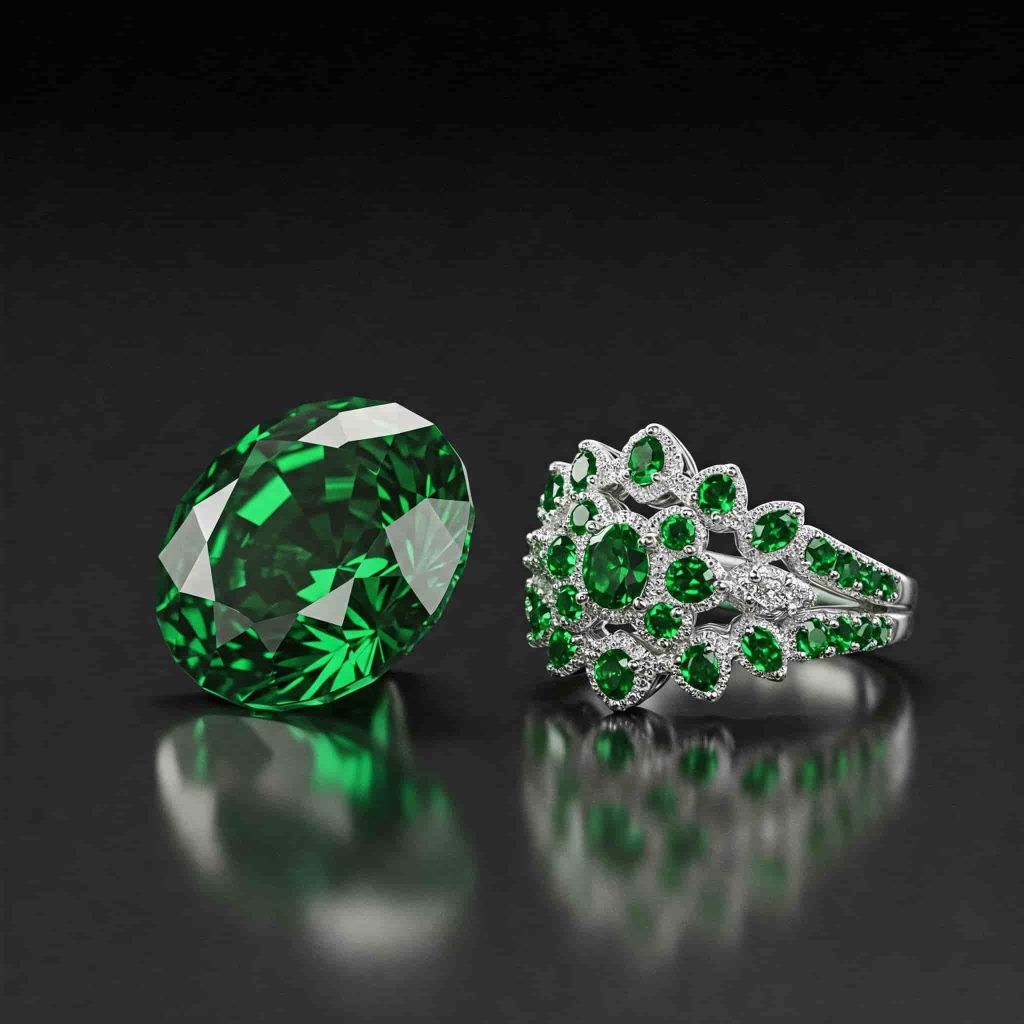
The color of Green Sapphire can vary significantly, from soft, light green gemstones to more intense, dark green gemstones, depending on the concentration of trace elements within the crystal. This variability allows Green Sapphire to cater to a wide array of preferences, whether you’re drawn to the delicate shades of spring or the deeper tones of a lush forest.
Among the various green gemstone names, Green Sapphire is celebrated for its durability and resilience, second only to diamonds on the Mohs scale of hardness. This makes it an excellent choice for everyday jewelry, as it can withstand the rigors of daily wear without losing its luster.
Read Worthy: – Yellow Gemstone Names
Tsavorite
Tsavorite is a stunning green variety of grossular garnet that ranges from vibrant emerald green to deep forest green. This rare and valuable green gemstone was discovered in 1967 in Tanzania and named after the Tsavo National Park in Kenya. Tsavorite stone exhibits its remarkable green color due to the presence of vanadium and sometimes chromium in its crystal structure, which absorbs red and blue light wavelengths, allowing primarily green light to be reflected.
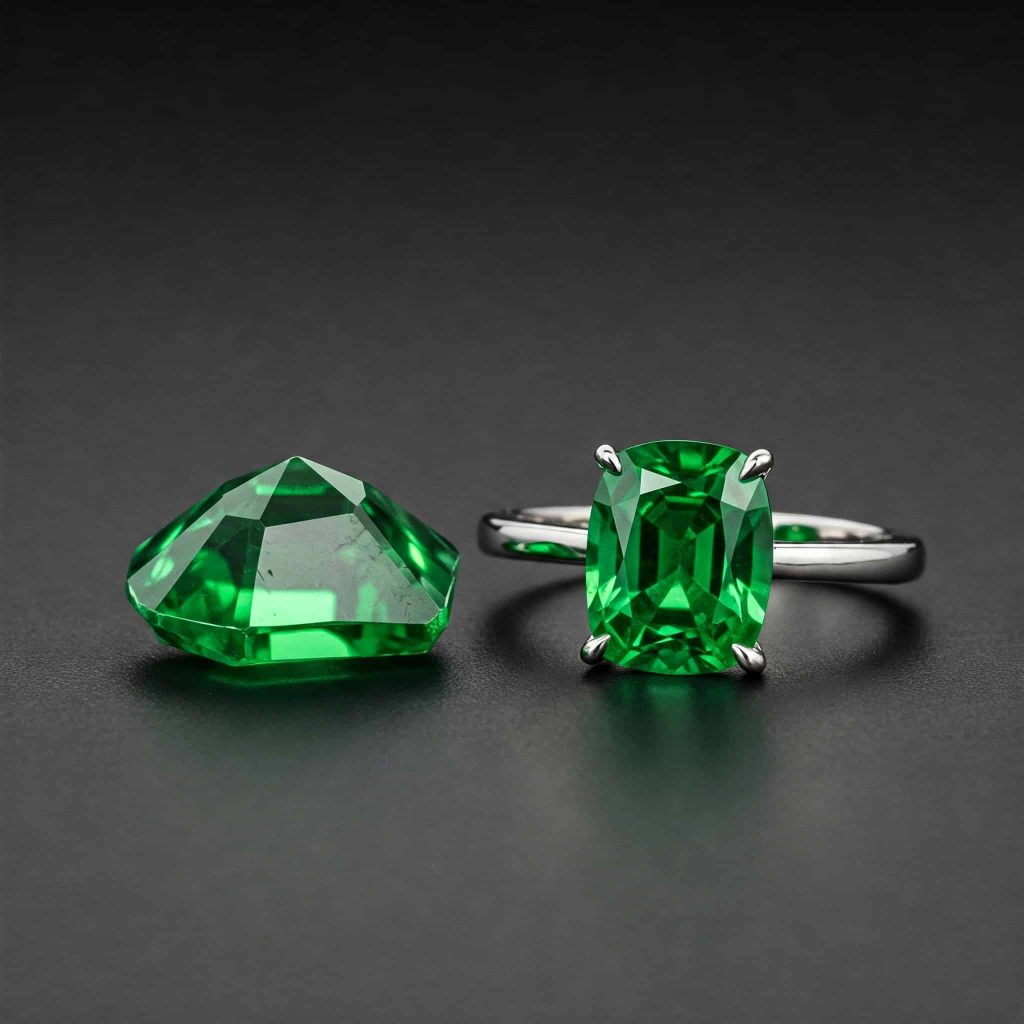
As one of the most brilliant natural green gemstones, tsavorite has a refractive index higher than emerald, giving it exceptional sparkle and fire. These dark green gemstones typically occur in smaller sizes, with specimens over 2 carats being exceptionally rare and valuable. Tsavorite’s durability (7-7.5 on the Mohs scale) makes it suitable for everyday wear in various jewelry applications.
Aventurine
Aventurine is a form of quartz characterized by its translucent appearance and distinctive sparkly effect called “aventurescence.” This light green gemstone gets its color primarily from the presence of included green minerals, most commonly fuchsite (a chromium-rich mica) that gives it a range of green hues from pale mint to medium forest green.

What makes green aventurine unique among green gemstone names is the presence of tiny, reflective inclusions that create a shimmering or glistening effect when light hits the stone. This natural green gemstone has a Mohs hardness of 7, making it fairly durable for jewelry use. Aventurine is often carved into beads, cabochons, and decorative objects, popular for its affordability and gentle, soothing green color. Besides the common green variety, aventurine can also occur in blue, orange, and brown variants.
Don’t Misss: – Orange Gemstone Names
Bloodstone
Bloodstone, also known as heliotrope, is a dark green gemstone variety of chalcedony (microcrystalline quartz) characterized by distinctive red inclusions that resemble drops of blood against its deep green background. The green color in bloodstone comes from chlorite or hornblende particles within the chalcedony matrix, creating a rich, dark green base.
This natural green gemstone gets its dramatic appearance from the contrast between the dark green background and the bright red spots of jasper or iron oxide inclusions. With a Mohs hardness of 6.5-7, bloodstone is durable enough for various jewelry applications. Historically significant, bloodstone has been used since ancient times for seals, amulets, and religious carvings, often associated with protective properties and blood-related healing. Unlike many other green gemstones, bloodstone is relatively affordable and widely available in larger sizes, making it popular for men’s jewelry, carvings, and cabochons.
Green Chrysoberyl
Green Chrysoberyl is a captivating member of the natural green gemstones family, prized for its durability and stunning clarity. This gemstone typically displays a light green to yellowish-green hue, though some varieties lean toward darker green tones. Its green color arises from the presence of trace amounts of iron within its crystal structure, which absorbs certain wavelengths of light and reflects the green spectrum. Unlike its more famous sibling, the color-changing Alexandrite, Green Chrysoberyl maintains a consistent shade, making it a versatile choice among green gemstone names for jewelry like rings and pendants. Its exceptional hardness (8.5 on the Mohs scale) and brilliance further enhance its appeal, positioning it as a standout among green gemstones for both collectors and gem enthusiasts.
Moldavite
Moldavite is a rare and intriguing addition to the world of natural green gemstones, often classified as a light green gemstone with a translucent, glassy appearance. Unlike traditional crystalline gems, Moldavite is a tektite, formed from the intense heat and pressure of a meteorite impact approximately 15 million years ago. Its distinctive green color, ranging from pale green to a deeper olive tone, is attributed to iron and other trace elements fused into the silica during its extraterrestrial creation. This unique origin story and its vibrant, otherworldly glow make Moldavite a standout among green gemstone names, often sought after for its supposed metaphysical properties and its striking beauty in pendants and earrings. Among green gemstones, Moldavite’s cosmic connection sets it apart.
Also Read: – Brown Gemstone Names
Turquoise
Turquoise is one of the most iconic natural green gemstones, though it’s more commonly recognized for its blue-green shades. When it leans toward green, it often appears as a light green gemstone with subtle matrix patterns of brown or black veining. The green hue in green Turquoise is caused by the presence of iron impurities in its copper aluminum phosphate composition—higher iron content shifts the color from blue to green.
Revered for centuries across cultures, this gemstone’s soft yet earthy tones make it a beloved choice for jewelry and decorative arts. While not as dark as some green gemstones like Malachite, Turquoise’s versatility and historical significance cement its place among popular green gemstone names, especially in Southwestern and Native American designs.
Malachite
Malachite is a bold and dramatic member of the dark green gemstones category, renowned for its rich, opaque green color and swirling banded patterns. This natural green gemstone derives its striking hue from copper carbonate hydroxide, where the copper content absorbs light and reflects deep green wavelengths. Often found in vibrant shades ranging from forest green to nearly black-green, Malachite’s unique appearance makes it a favorite for statement jewelry and ornamental carvings. With a Mohs hardness of 3.5–4, it’s softer than many green gemstones, requiring care in wear, but its unmistakable beauty ensures its prominence among green gemstone names. Malachite’s intense coloration and natural artistry make it a timeless treasure in the world of dark green gemstones.
Must Check: – Black Gemstone Names
